How to Store Calendula Oil So It Stays Fresh
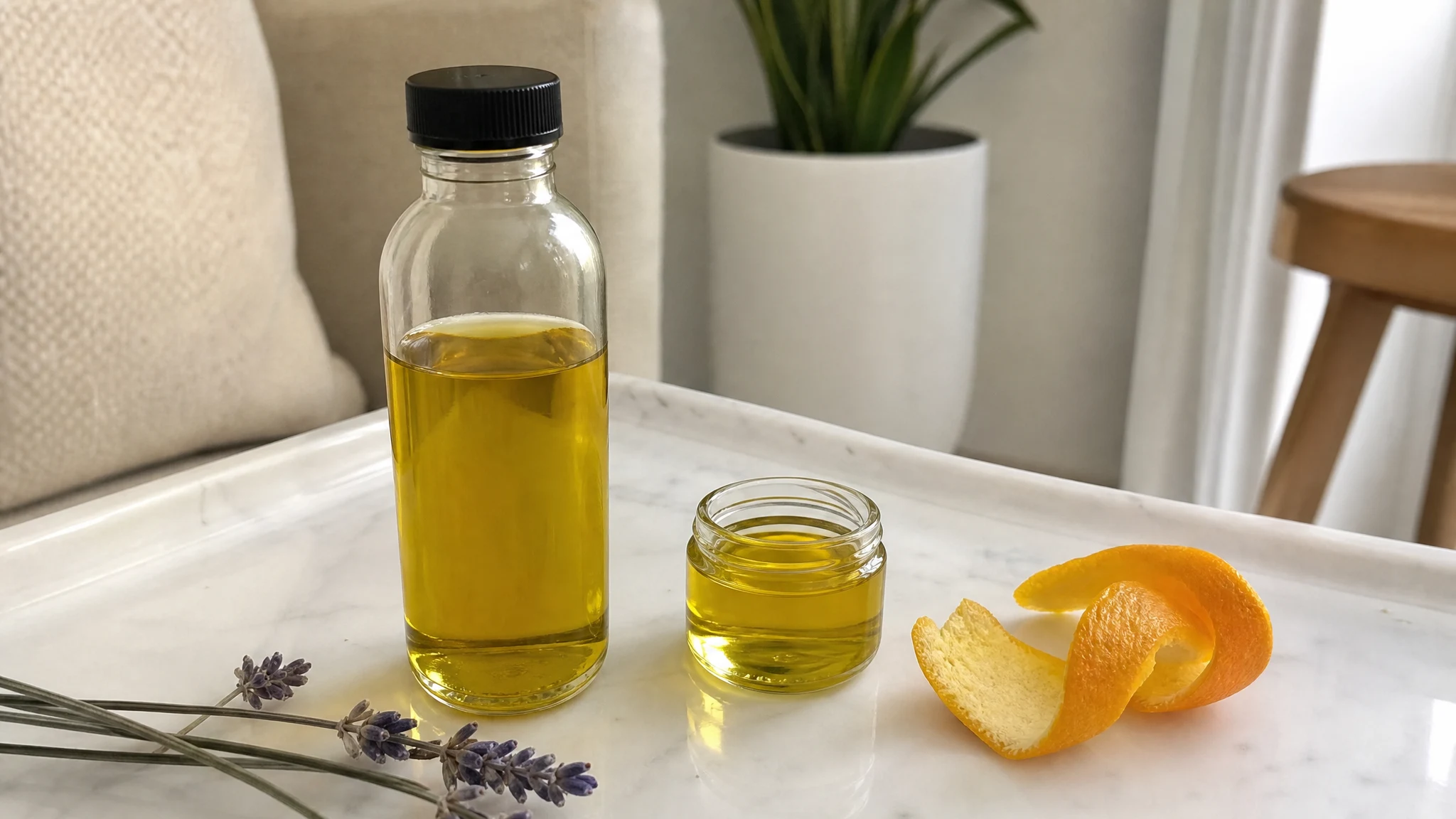
Open a bottle of any plant oil that has been forgotten in a sunny spot and you will know it instantly: the smell turns flat and sharp. Calendula oil is happiest when you treat it like a good cooking oil, kept cool, dark and closed. A few small habits do almost all the work.
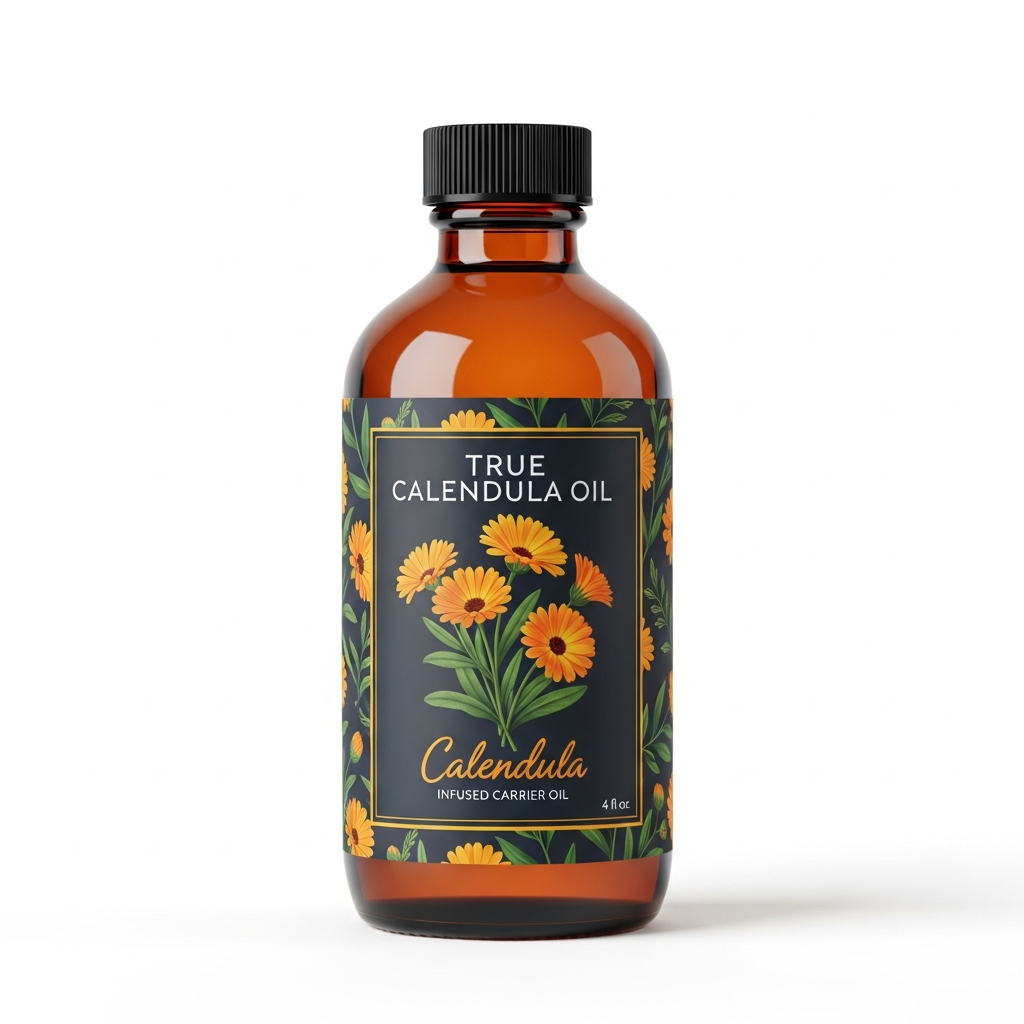
Calendula Oil
Our own small-batch calendula oil, in sizes from 0.5 oz to bulk.
From $13.99
Shop Calendula Oil →Oxidation: what ages calendula oil over time
Oils age by oxidation, a slow reaction between oxygen and the unsaturated fats in the oil. A 2025 review of vegetable oil oxidation lists the things that set it off: light, heat, oxygen and trace metals, and it notes the rate of oxidation increases exponentially with temperature (Vegetable oil oxidation: Mechanisms, impacts on quality, and approaches to enhance shelf life). So a warm shelf matters far more than it seems, and every extra degree speeds things along.
The same review tabulates how fast different fatty acids oxidize in a high-temperature comparison: with stearic acid at 1, oleic acid scores 10, linoleic 100 and linolenic 150. In plain English, an oil rich in oleic acid is much steadier than one rich in linoleic. That table is a ranking from the lab and not a prediction for your cupboard, but it explains why the carrier matters so much. Our oil is calendula extracted into a carrier, so the carrier sets much of the pace. If you would like to know which one is in your bottle, ask us for it on the batch paperwork.
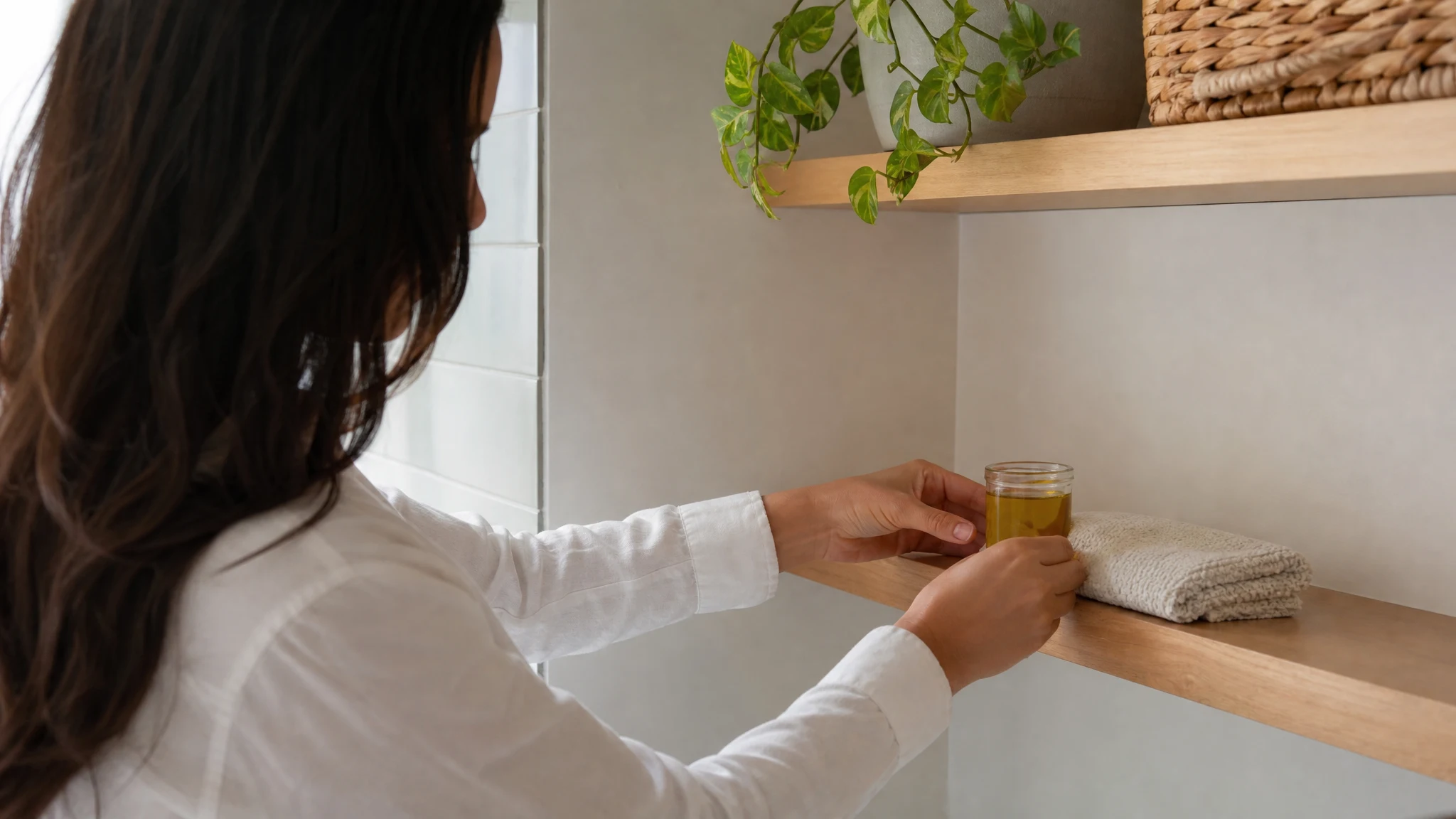
Storage routine: keep calendula oil cool, dark, capped
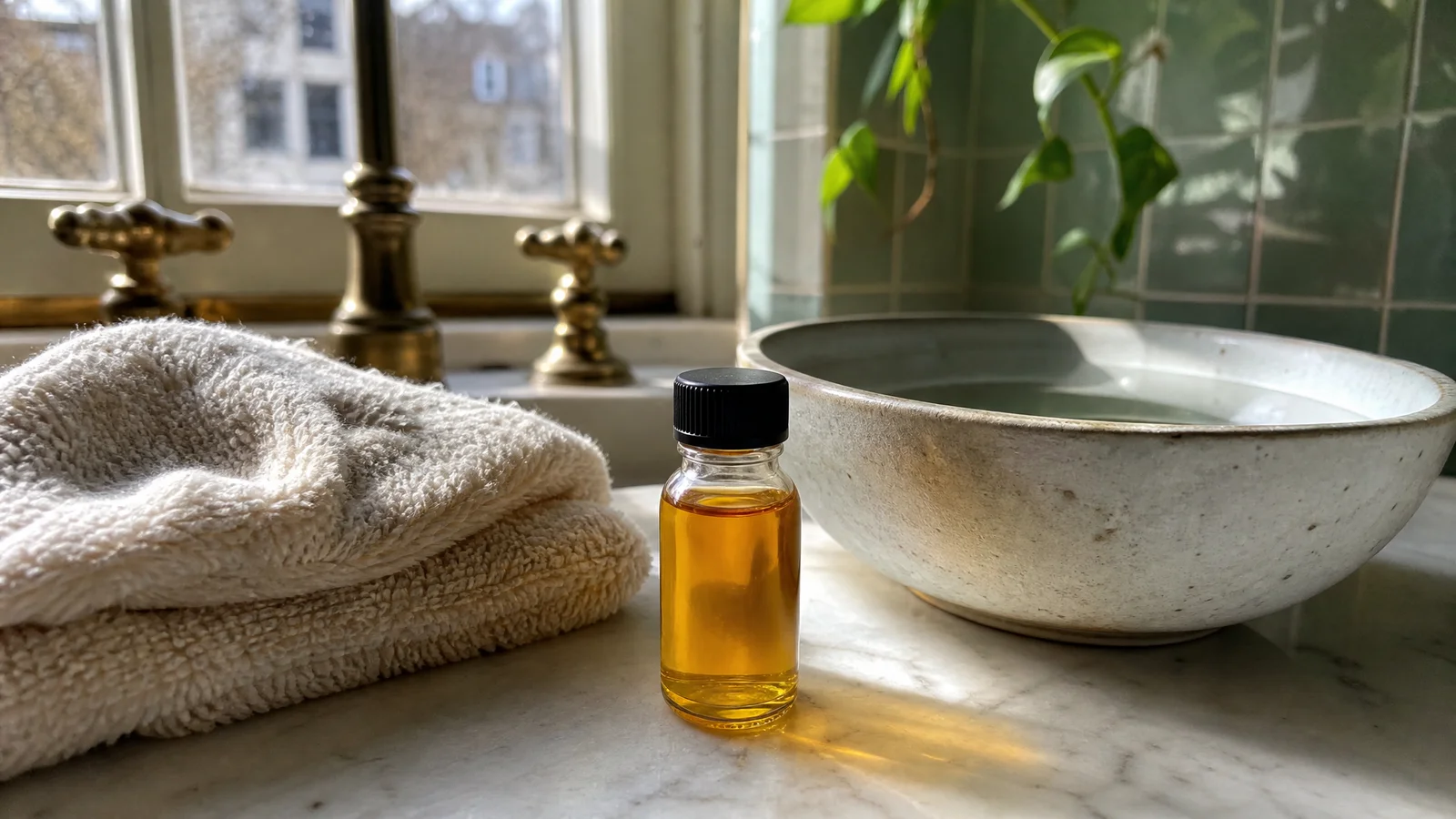
- Keep it cool. A cupboard away from the stove is ideal. Avoid sunny windowsills, bathroom shelves above a hot shower and parked cars. The FDA makes the same point for cosmetics in general: a product may go bad if stored somewhere too warm or too moist (Using Cosmetics Safely).
- Keep it dark. Light is one of the listed triggers. Our oil comes in good glass in every size, and the cupboard does the rest.
- Cap it tightly. Oxygen is another trigger, so close the bottle after every use. Oxygen dissolves readily in oils, and the review notes the oxidation rate rises with the amount of dissolved oxygen.
- Keep water out. Wet fingers and wet droppers are a way to introduce moisture, which oil does not tolerate well. Dry your hands first, or pour a little into a clean, dry dish.
- Do not top up old bottles with new oil. Reasoning from the points above, a blend is only as fresh as its oldest part.
Why mark an opening date on the bottle?
The FDA points out that cosmetics are not required to carry expiration dates and suggests marking the container with the date you open it to keep track of age. Our bottles are dated and lot-numbered, so you already have a starting point. Add your own opening date in marker, and you will always know where you stand.
We do not print a single shelf-life figure for our oil. Our oil has no preservatives, no added tocopherol and no stabilizers, and shelf life depends so much on the carrier and your storage that one number would mislead. If you want to talk through a specific lot, ask us in writing through the contact page and include the lot number. Every batch is tested by independent third-party labs for physical assays, chemical assays and contaminants, and batch documentation is available on request.
Best household spots for storing botanical oil
The best spot is the one that is boring: a bedroom drawer, a dresser top away from the window, or a cupboard that is not next to the stove or dishwasher. Skip the bathroom shelf next to the shower, where heat and steam swing all day long. If you travel with the oil, tuck it into the middle of your bag and not on a sunny car seat.
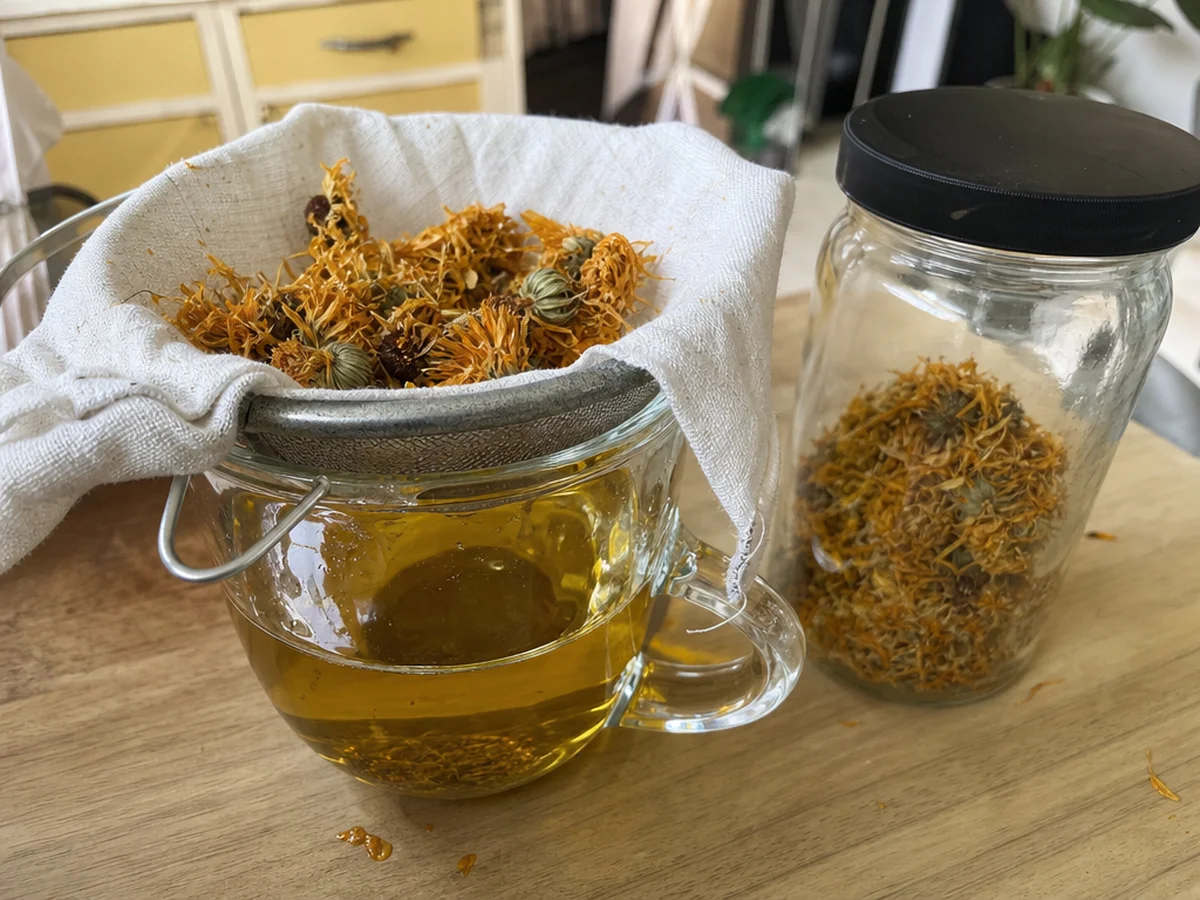
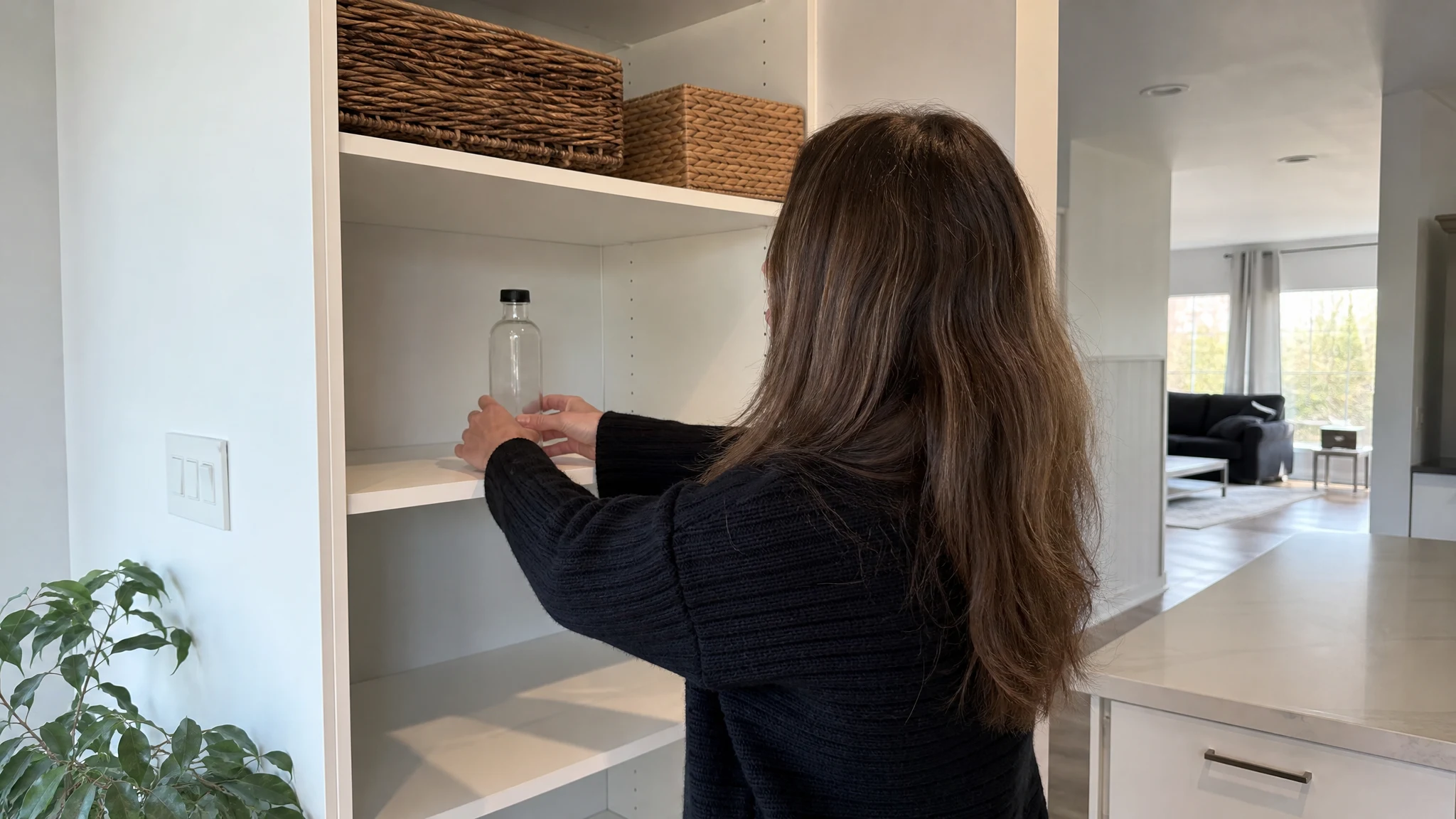
When you open a larger bottle, you might pour a little into a small clean, dry dropper bottle for everyday use and keep the big one capped. Reasoning from the points above, the large bottle then sees air and light far less often. Label the small one with the date you filled it.
Whatever you choose, make the cap habit automatic: use, wipe the neck with a dry tissue, cap, and put it back. It takes five seconds and it is the single easiest thing to do.
How can you tell if oil has turned rancid?
Your nose is the first test. The same review describes oxidation breaking oils down into volatile compounds with strong odors, the cause of what we call rancidity. If an oil smells sharp or stale instead of mild and plant-like, it is time to replace it. A clean smell is a good sign, though it does not prove an oil is perfect, since early oxidation can be silent. When a bottle is old, or you cannot tell how long it has been open, replace it. A tired oil can spoil a whole batch of body butter.
Storing homemade infused calendula oil and salves
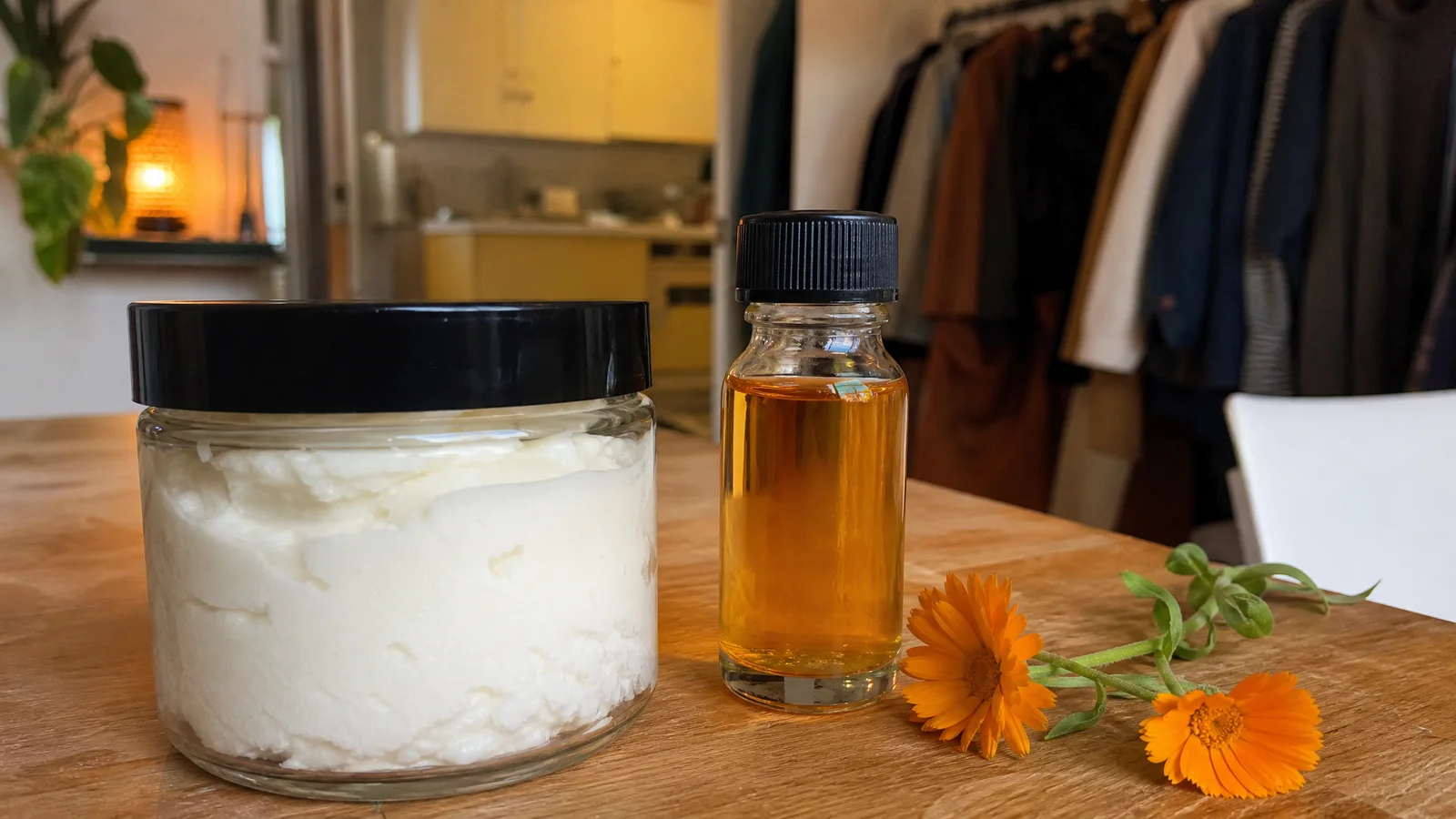
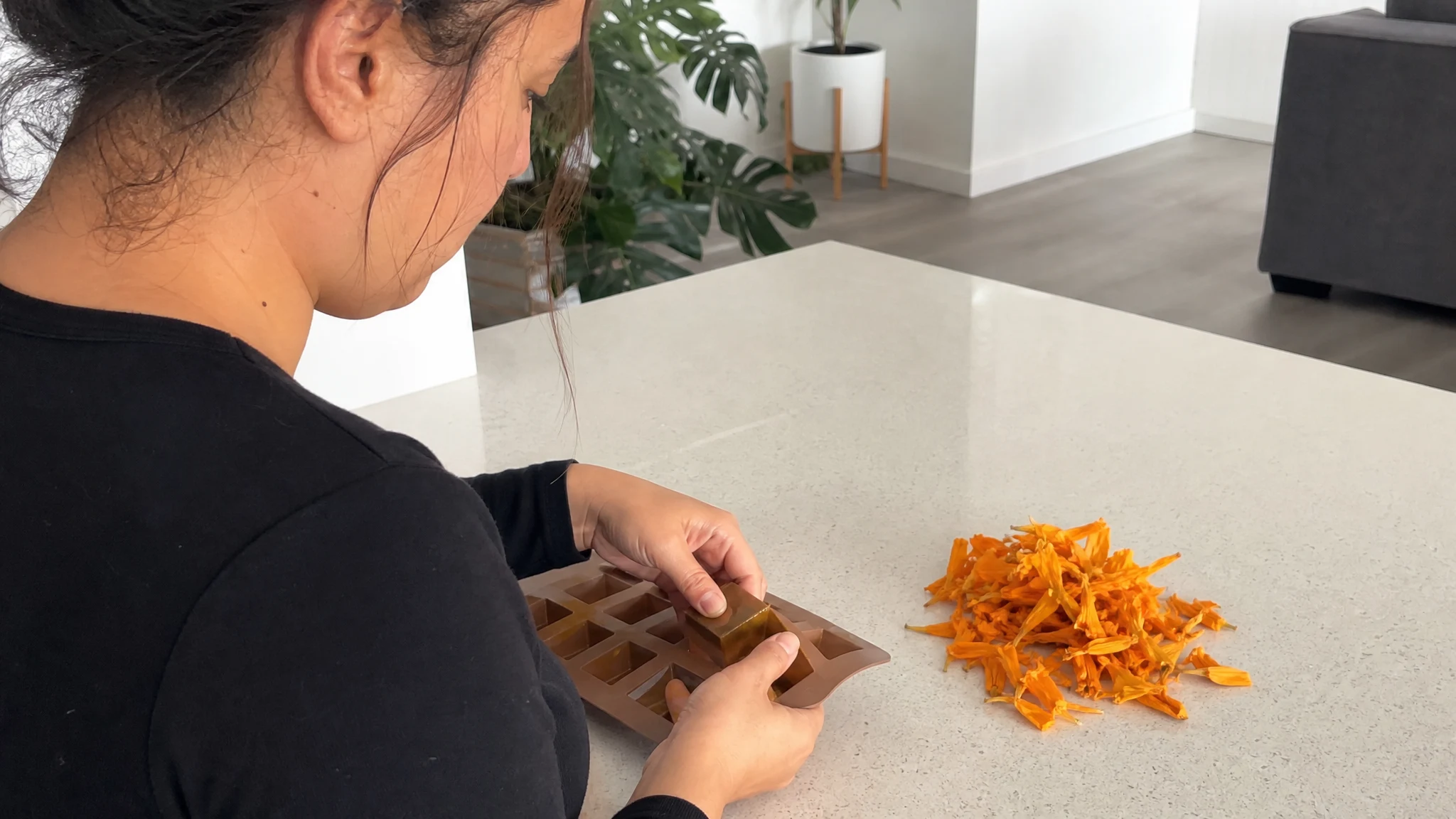
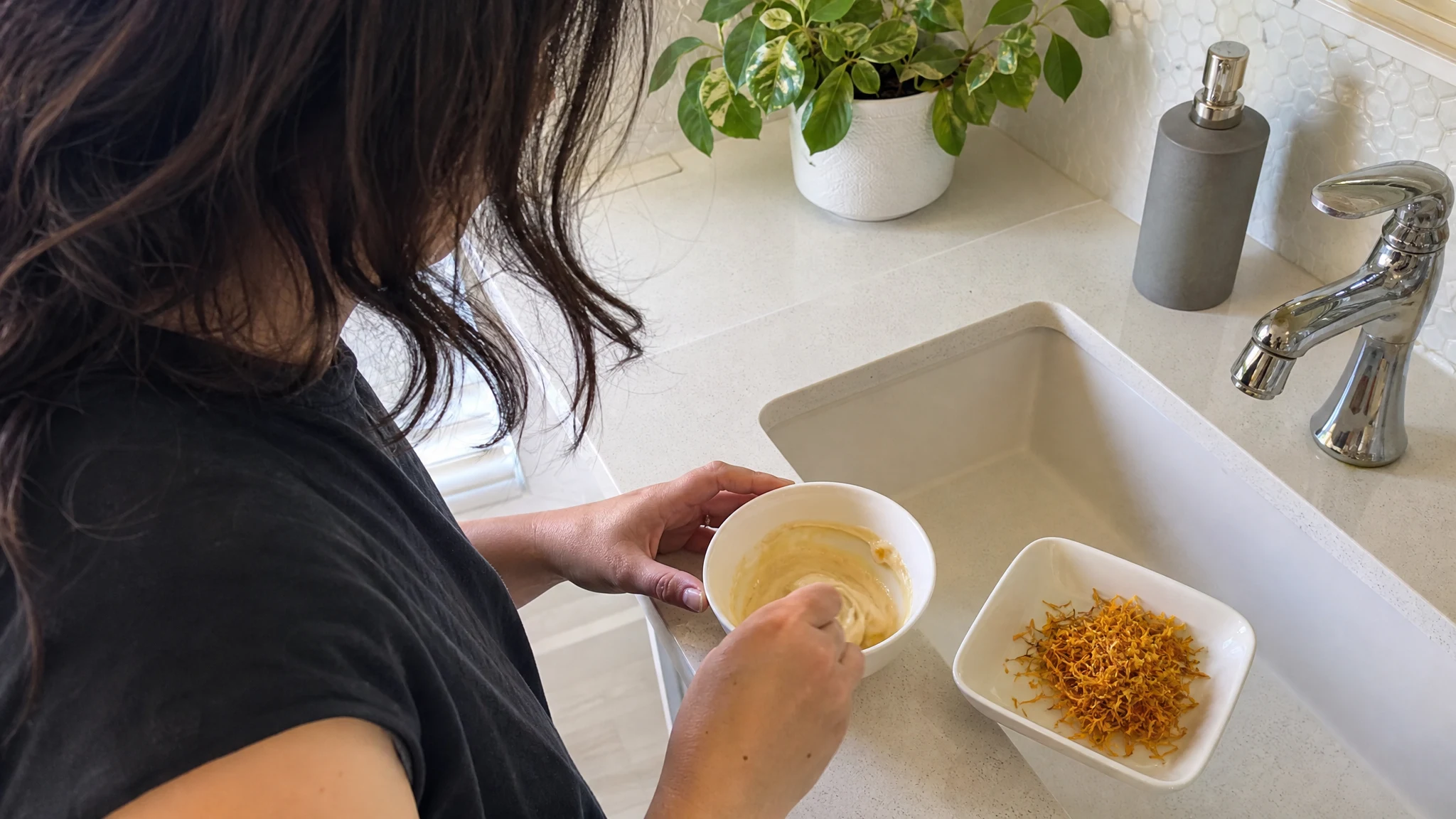
If you infuse your own, start from properly dried flowers; our home infusion guide covers it. Keep your oil away from water, store it like the above, and date the jar. Salves and balms made with the oil, such as the beeswax salve, inherit the same storage rules, and they stay water-free only if you keep them that way.
If you notice a rash, redness or burning after using any cosmetic, the FDA asks you to stop, and to let it know about an unexpected reaction. For the bigger picture on choosing an oil, our buying guide covers what to look for. A cool cupboard and a tight cap will keep your oil in good form.
Calendula Oil
Nature's Golden Botanical, bottled: small-batch calendula oil in sizes from 0.5 oz to bulk.
From $13.99
Shop Calendula Oil →Sources & Further Reading
- Gharby S et al., 2025. Vegetable oil oxidation: Mechanisms, impacts on quality, and approaches to enhance shelf life. Food Chemistry X. PMC12146556
- U.S. Food and Drug Administration. Using Cosmetics Safely. fda.gov