Calendula for Hemorrhoids? What to Know Before You Try
Calendula is a skin oil, and hemorrhoids call for a different plan. Here is what NIDDK recommends first and where calendula research actually stops.

Is Calendula Oil Safe for Cats? Talk to Your Vet
The calendula plant is listed as non-toxic to cats, yet a cat grooms what is on its coat. Here is what that means for an oil and what to ask your vet.
Calendula and Your Child's Eczema: Where an Oil Fits
Dermatologists favor thick ointments for children's eczema, and calendula research is thin. Here is where an oil fits and what to ask your doctor first.

Calendula Wound Studies: How to Read the Research
Trials of calendula on wounds exist, but preparations and results differ widely. A plain-English guide to what they tested and what they cannot tell us.

Ragweed Allergy and Calendula Oil: What We Know
Ragweed hay fever and calendula contact allergy are not the same thing. What research says, why no rate exists, and how to test carefully.
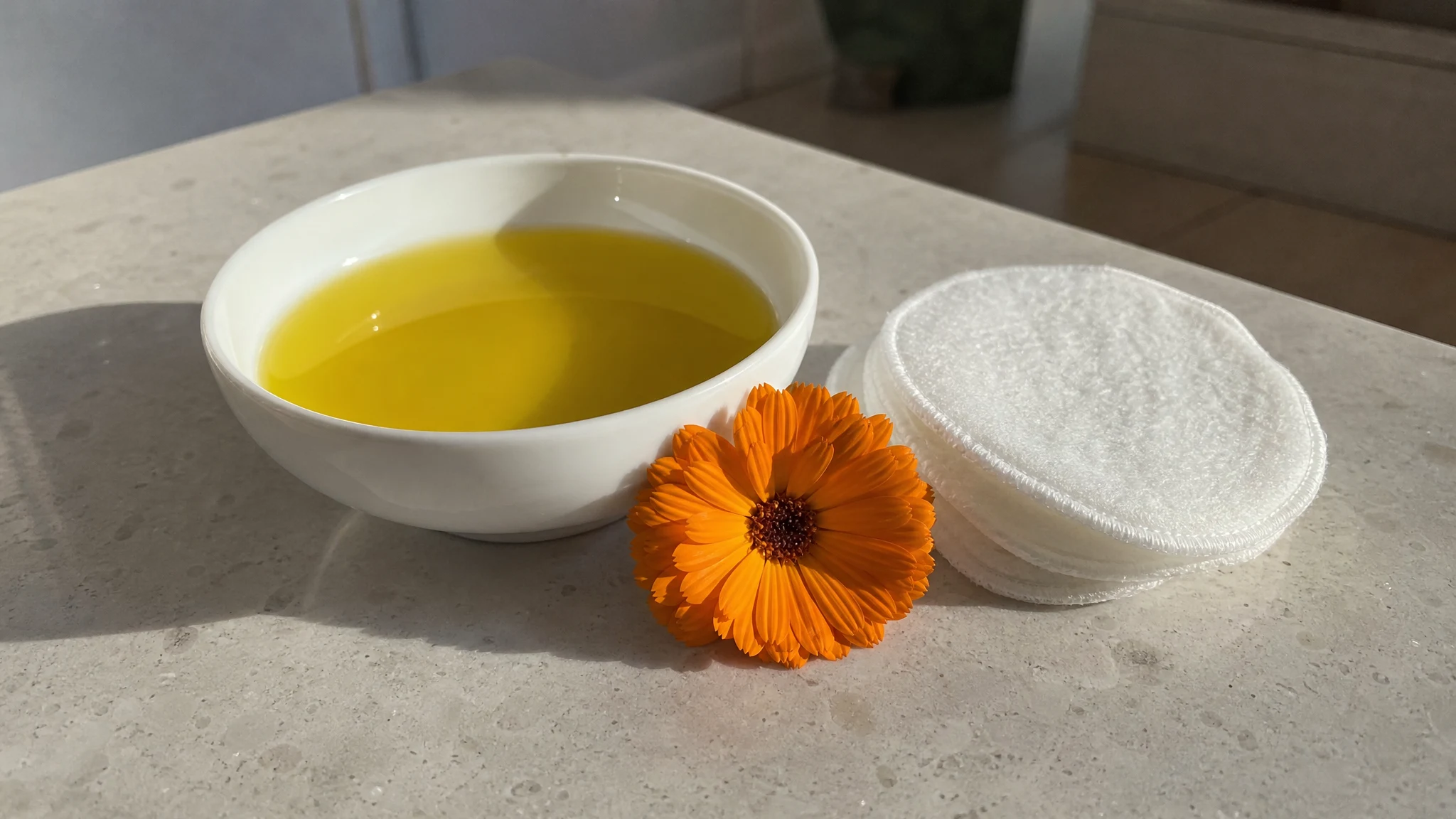
Does Calendula Oil Have a pH? What to Check Instead
An oil with no water has no pH, so a quoted number deserves a question. Here is how skin pH works and what actually decides whether an oil suits you.

What Is Faradiol? Calendula's Best-Known Compound
Faradiol is the compound behind much of calendula's reputation. Here is where it sits in the flower, what lab studies found, and why petals matter to us.
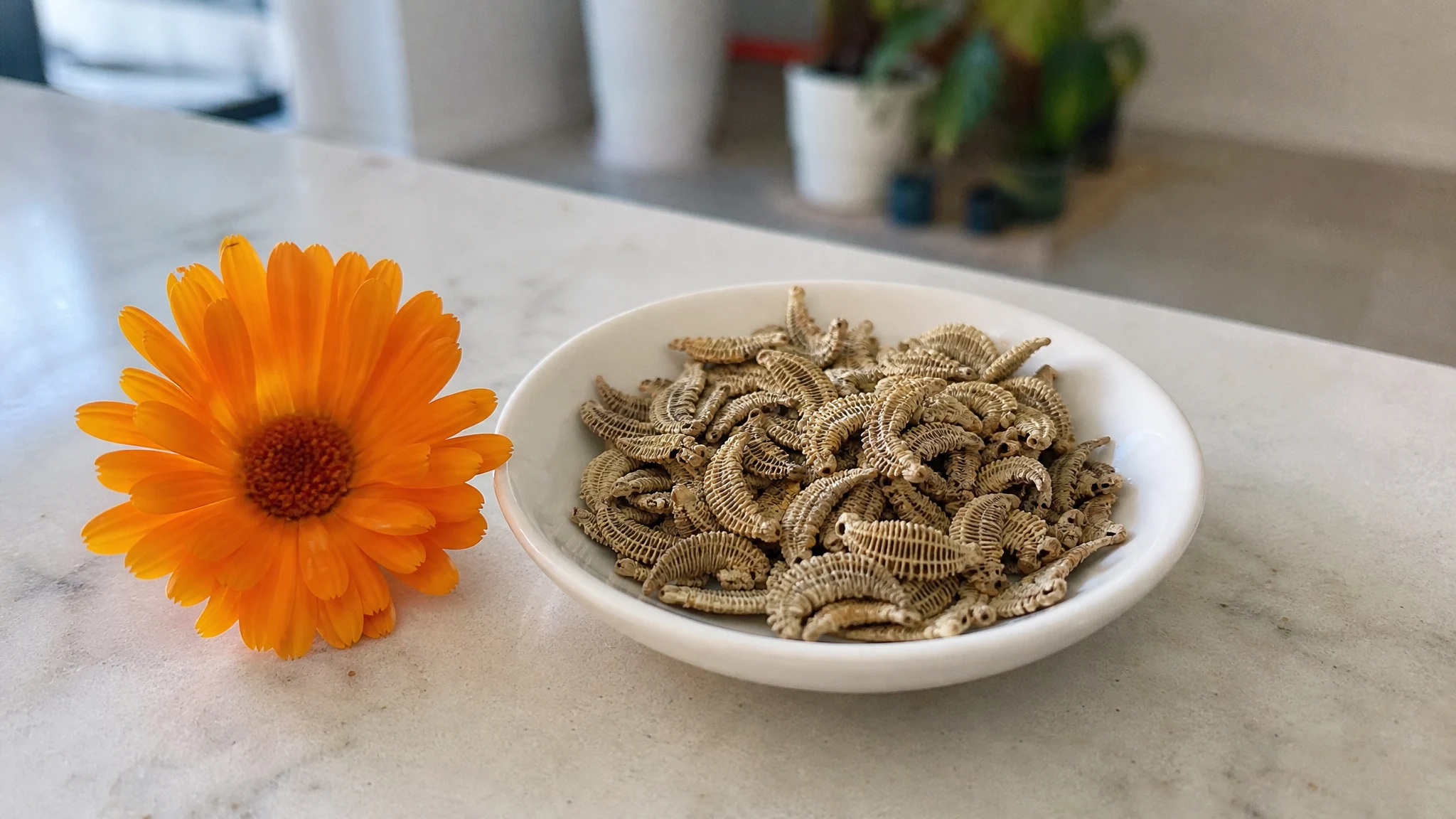
Calendic Acid in Calendula: Seeds, Not Petal Oil
Calendic acid belongs to calendula seeds. A petal infused oil leans on its carrier instead, so here is what that means and what to ask before you buy.