Diaper Rash and Calendula: A Parent's Honest Guide
When a baby has a diaper rash, parents want something that works tonight, and we understand the pull of a golden bottle of calendula. We make that bottle, and our honest answer is that a pediatrician should be the first call, with a thick barrier paste doing the everyday work. Here is how that advice fits together, and where calendula comes into the picture.
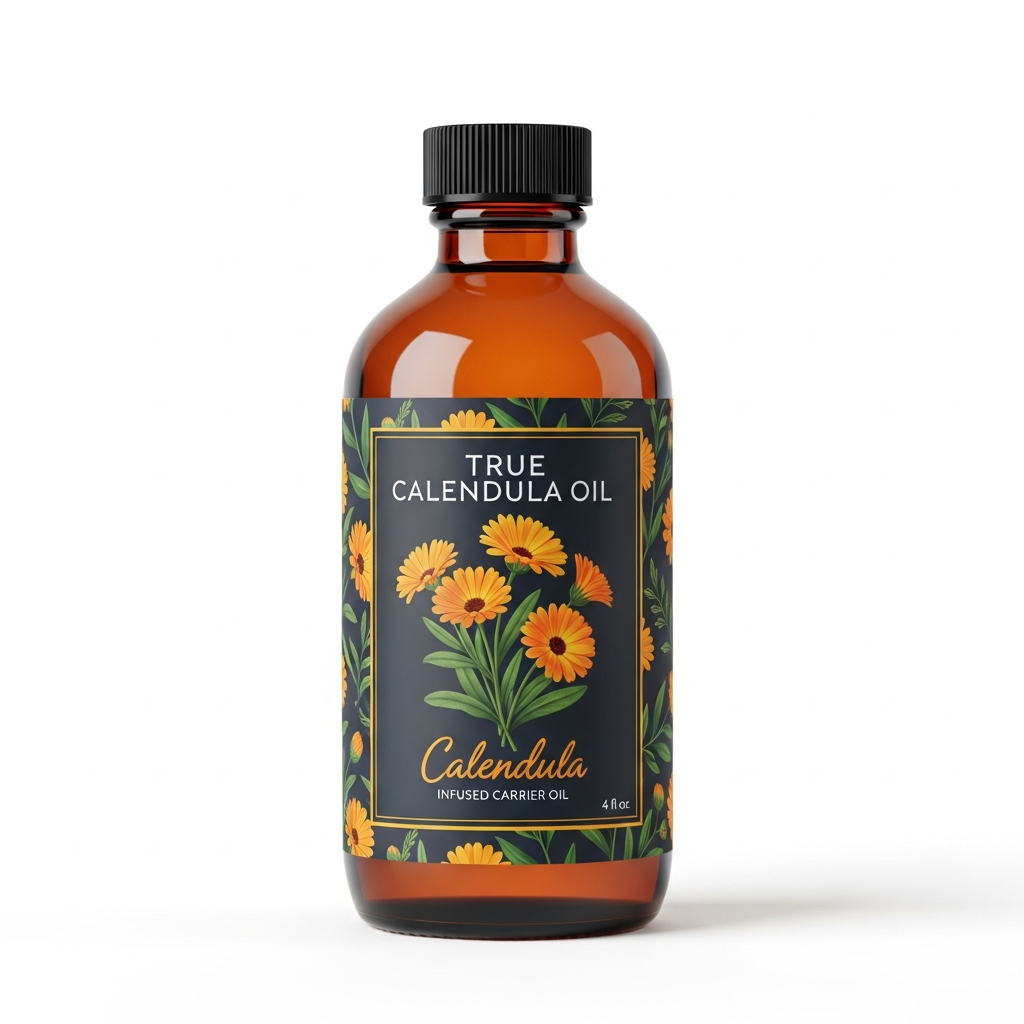
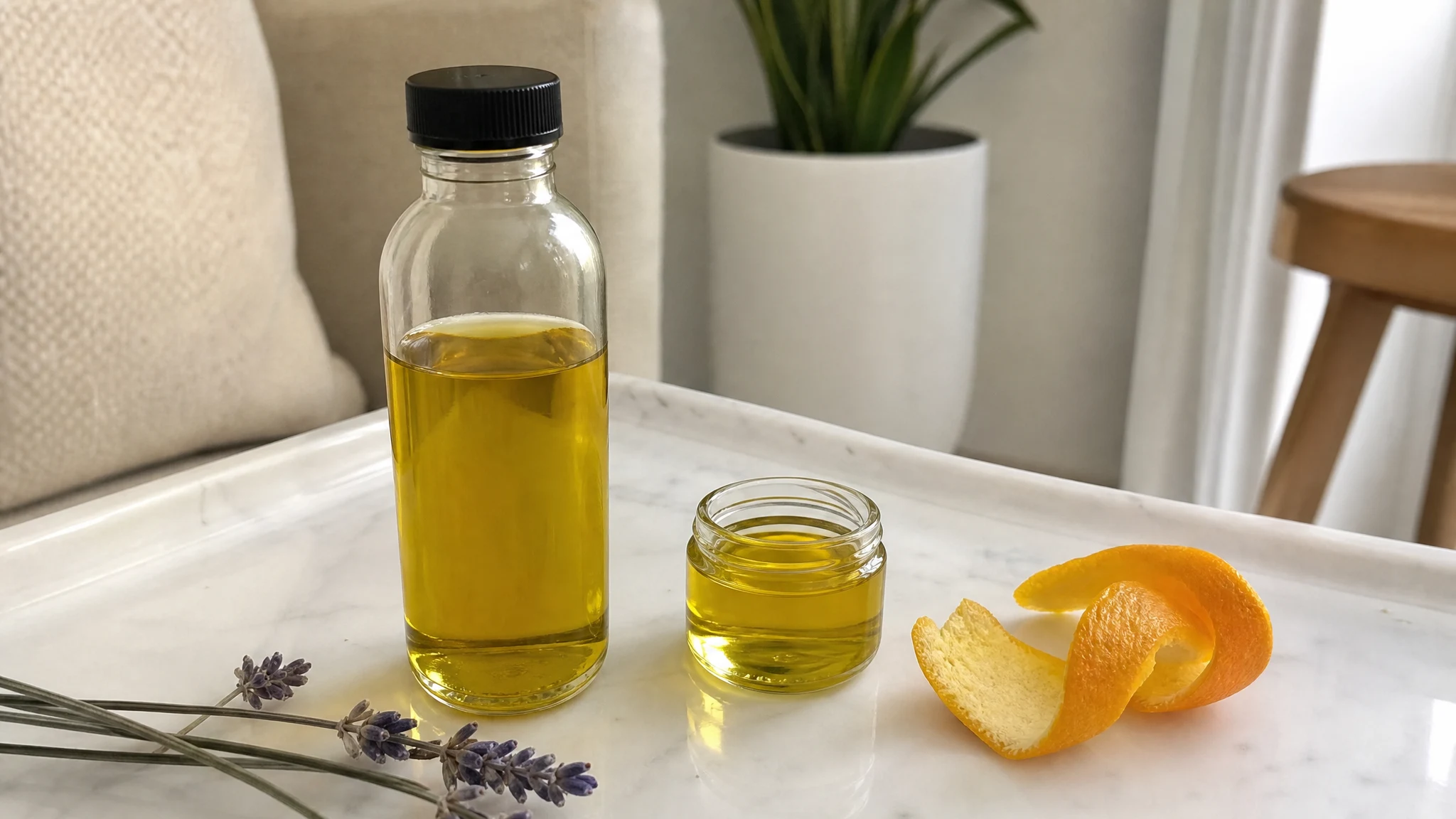
Calendula Oil
Our own small-batch calendula oil, in sizes from 0.5 oz to bulk.
From $13.99
Shop Calendula Oil →What do pediatricians recommend for diaper rash first?
The American Academy of Pediatrics keeps its diaper rash advice simple (Common Diaper Rashes & Treatments). Change diapers often, since wet or soiled ones irritate skin. Clean with water and a gentle non-soap cleanser, or with wipes free of alcohol and fragrance, then pat dry and let the skin air out. Apply a thick layer of barrier paste. The AAP names zinc oxide and petrolatum as good choices, fragrance-free is best, and its words are that "there is no such thing as too much diaper paste." A well-fitting, absorbent diaper completes the picture.
It also says to call the pediatrician if the rash is not better after two to three days, or sooner if there are blisters, pus, oozing or crusty sores, a fever, or especially painful skin.
Why use zinc paste instead of oil on diapers?
The point of a diaper product is to sit as a thick, water-resistant shield between skin and moisture. Zinc oxide and petrolatum are thick and stay put. A thin liquid oil, ours included, glides on and soaks in, which makes it lovely for dry skin and a poor stand-in for a barrier paste. That is our reasoning from how the products are built, not a test result, and it is why we would not suggest swapping a paste for an oil on a rash.
Calendula diaper rash trials used ointments and creams
There are a handful of small trials on calendula and diaper dermatitis, and they all used ointments or creams, not infused oils. Their results point in different directions. In an Iranian trial of 66 infants, a calendula ointment was compared with an aloe cream, and both groups improved (A randomized comparative trial on the therapeutic efficacy of topical aloe vera and Calendula officinalis on diaper dermatitis in children). A trial of 100 infants found a bentonite cream ahead of a calendula cream (Comparing the effects of Bentonite & Calendula on the improvement of infantile diaper dermatitis: A randomized controlled trial). A triple-blind trial in 73 children found no significant difference between olive and calendula ointments (Comparison the effects of topical application of olive and calendula ointments on Children's diaper dermatitis: A triple-blind randomized clinical trial).
Diaper rash often clears by itself with good care, so it is hard to credit any single product. Our takeaway is modest: calendula is a pleasant traditional ingredient, and the trials do not make a case for choosing it over the basics.
Calendula for children under six: EU monograph advice
The European herbal monograph says skin use of calendula flower in children under 6 is not recommended, because adequate data are lacking, and it lists hypersensitivity to daisy-family (Asteraceae) plants as a contraindication (European Union herbal monograph on Calendula officinalis L., flos). That cut-off reflects missing data, not documented harm, but it is the reason we do not suggest our oil on an infant's skin. Our article on babies and calendula oil goes into the wider picture, and our comparison with coconut oil looks at another oil parents ask about.

If you are weighing up what to keep in the changing basket, the AAP's list is a good guide: a gentle cleanser or fragrance-free wipes, a thick zinc oxide or petrolatum paste, and a pediatrician's number. A bottle of oil is a nice thing for a parent's own hands, but it is not on that short list.
Organizing a changing table for diaper rash care
Most of what helps at the changing table is organization. Keep everything within arm's reach before you start: clean diapers, a stack of soft cloths or fragrance-free wipes, and the barrier paste with its lid already off. A baby who is wriggling on a table is not a baby you want to turn your back on, and a tidy station means you never have to.
If the day allows, a few minutes of bare-bottomed time on a clean towel while you tidy up lets the skin breathe, which is exactly what the AAP advice above asks for. Small, boring routines like these are the unglamorous heroes of the diaper bag.
Is natural always better for baby skin?
We understand why a golden bottle is tempting. Parents want gentle things for their babies, and a flower that has been used for generations feels like a kind choice. Our advice is to let that instinct work for you in other ways: fragrance-free products, plain ingredient lists, and a pediatrician who knows your child. Save the golden oil for your own dry hands.
Calendula oil is a cosmetic for adult skin
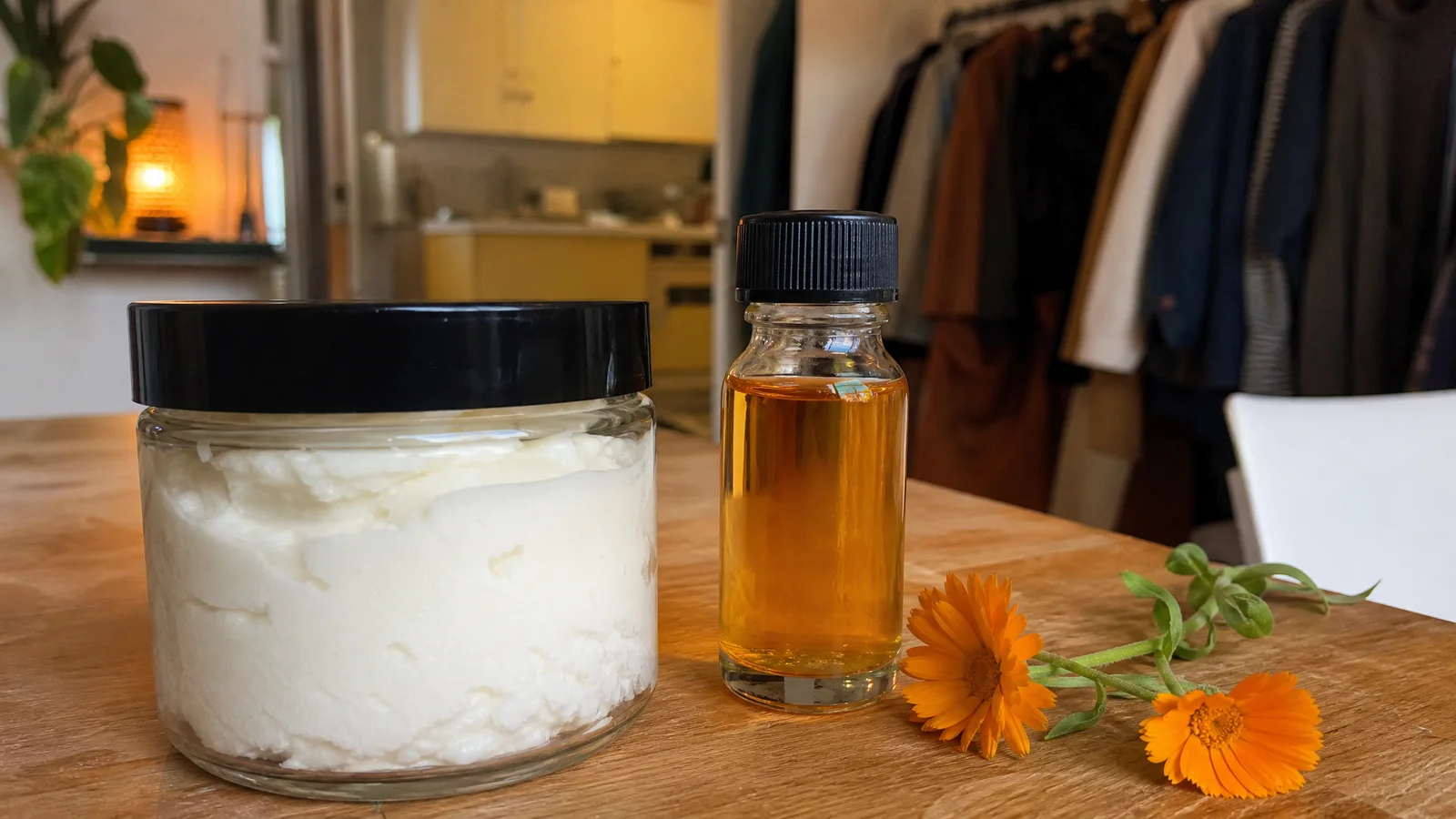
Our calendula oil is a cosmetic oil for adult skin: dried flowers, extracted on their own, brought into a carrier oil, and nothing else added. If you are a parent who loves it for your own dry hands, it is made for exactly that. Patch test on a small spot of your own skin first (our patch test guide shows how). For anything on a baby, your pediatrician has the last word, and a rash that is not improving is their job to look at.
Calendula Oil
Nature's Golden Botanical, bottled: small-batch calendula oil in sizes from 0.5 oz to bulk.
From $13.99
Shop Calendula Oil →Sources & Further Reading
- American Academy of Pediatrics, HealthyChildren.org, "Common Diaper Rashes & Treatments." healthychildren.org
- Panahi Y et al., "A randomized comparative trial on the therapeutic efficacy of topical aloe vera and Calendula officinalis on diaper dermatitis in children." ScientificWorldJournal, 2012. PubMed
- Mahmoudi M et al., "Comparing the effects of Bentonite & Calendula on the improvement of infantile diaper dermatitis: A randomized controlled trial." Indian J Med Res, 2015. PubMed
- Sharifi-Heris Z et al., "Comparison the effects of topical application of olive and calendula ointments on Children's diaper dermatitis: A triple-blind randomized clinical trial." Dermatol Ther, 2018. PubMed
- European Medicines Agency, "European Union herbal monograph on Calendula officinalis L., flos" (EMA/HMPC/437450/2017). ema.europa.eu