Calendula Oil for Shaving: A Simple Step-by-Step Routine
A good shave starts before the blade touches your skin. Warm water softens the hair, a little slip lets the razor move without dragging, and the rest is technique. Calendula oil can supply the slip, and it does it with an oil that has nothing else in it. Here is how we would use it, along with the shaving habits that matter more than any product.

Calendula Oil
Our own small-batch calendula oil, in sizes from 0.5 oz to bulk.
From $13.99
Shop Calendula Oil →Why does a little oil help with shaving?
Dermatology reviews of shaving irritation agree on one point: hair that is shaved dry tends to end up with sharp, beveled tips, while hair that has been softened with warm water or another pre-shave step swells and is cut with a blunter edge (Pseudofolliculitis barbae; current treatment options). Neither source we read names shaving oil specifically, so this is our reasoning rather than a finding: a thin film of oil over warm, wet skin gives the razor a smoother path, and our oil is a gentle choice for that job.
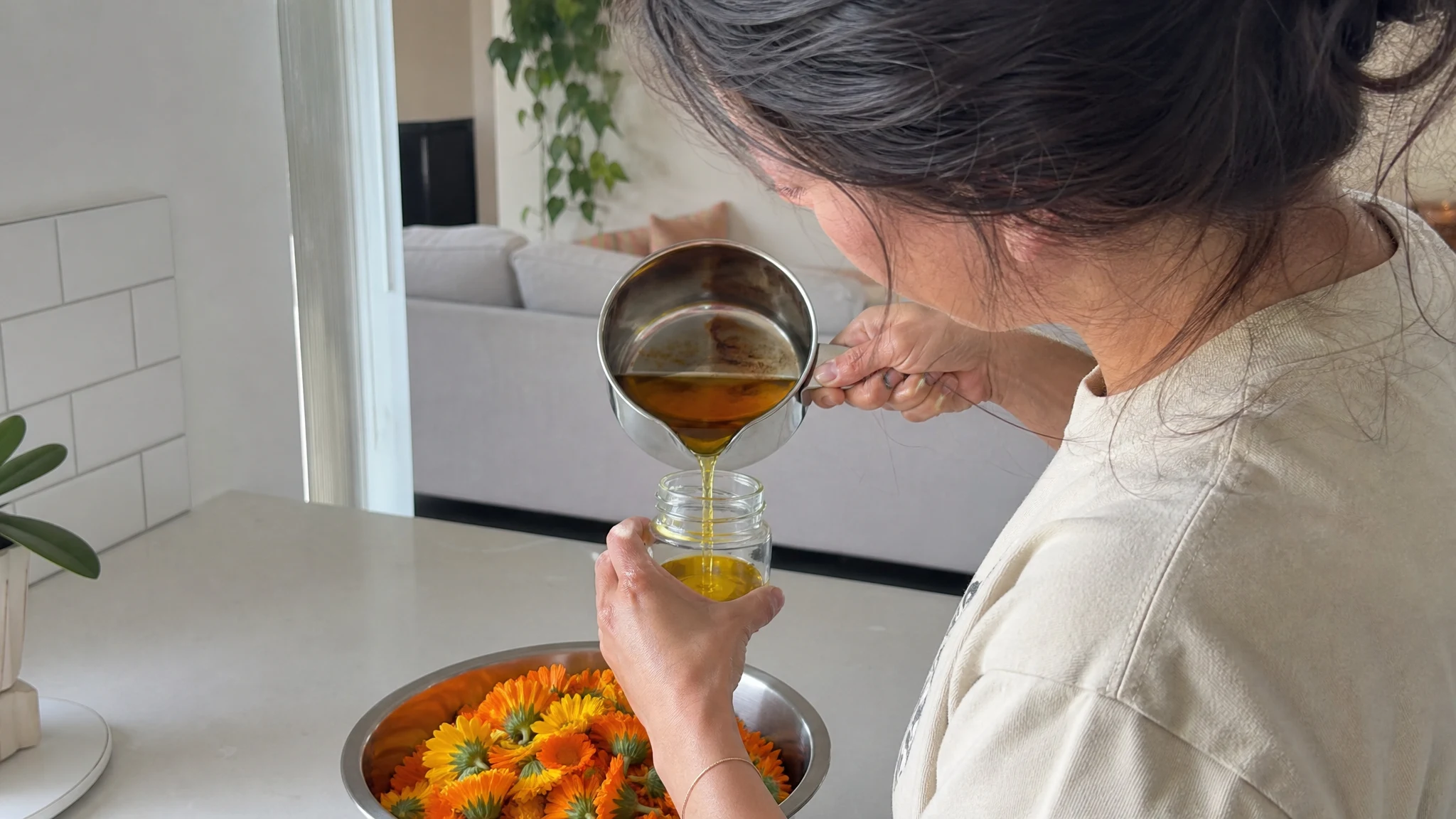
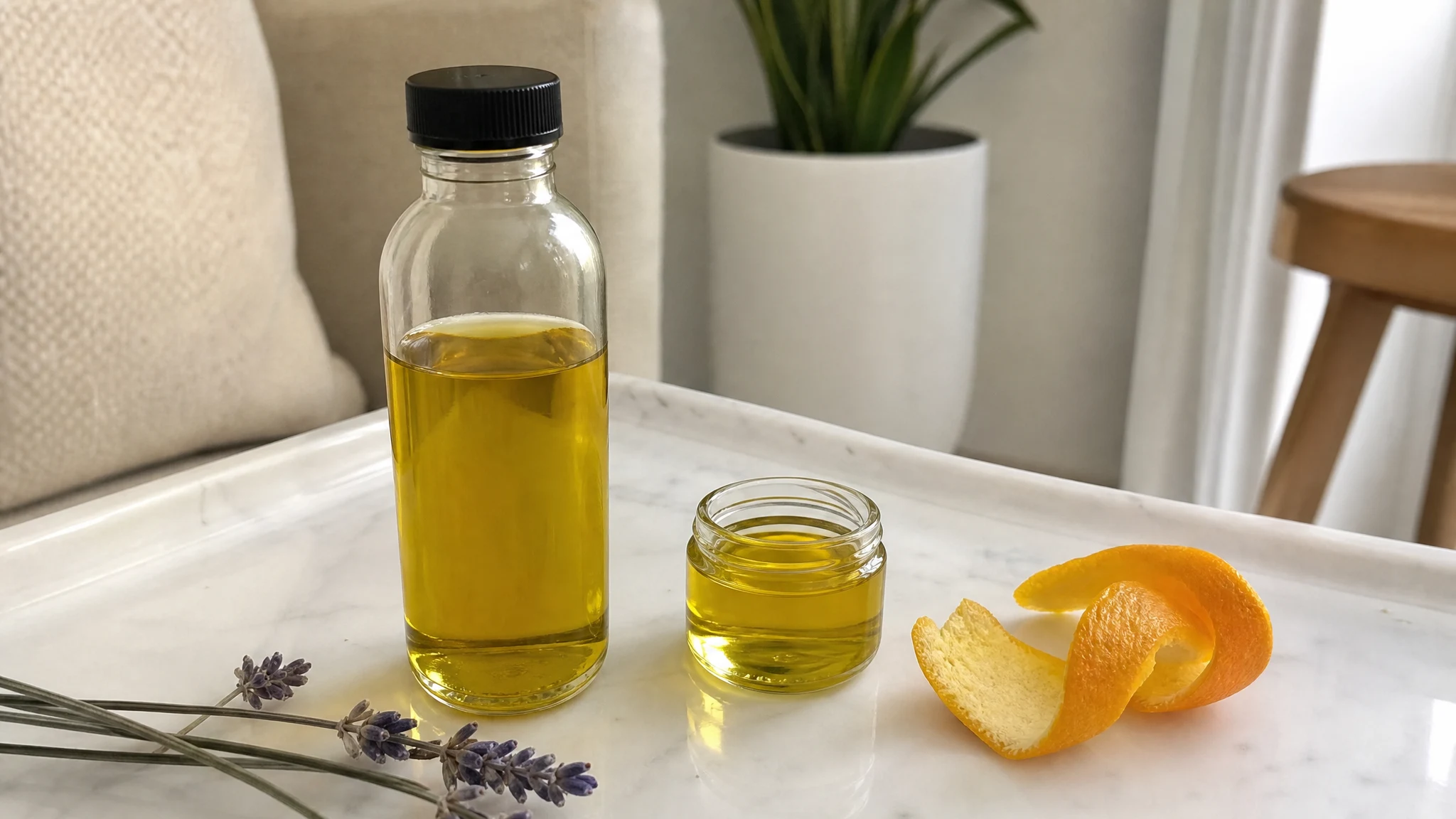
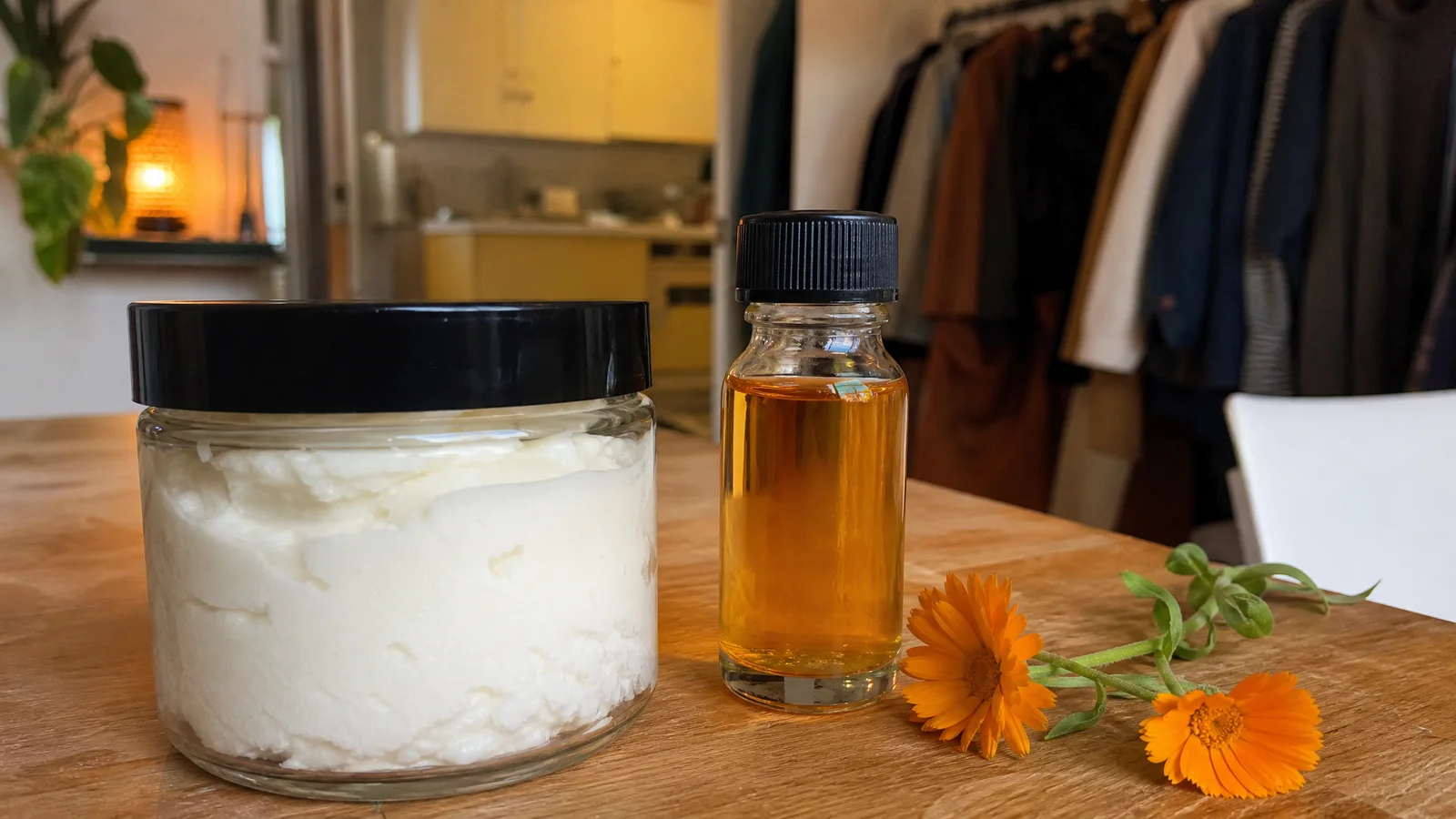
Our calendula oil is a whole-flower infusion. We extract the calendula on its own and bring the extract into a carrier oil, and we add nothing else. That keeps the bottle simple, which is handy for shaving: if your skin ever complains, there are very few ingredients to think about.
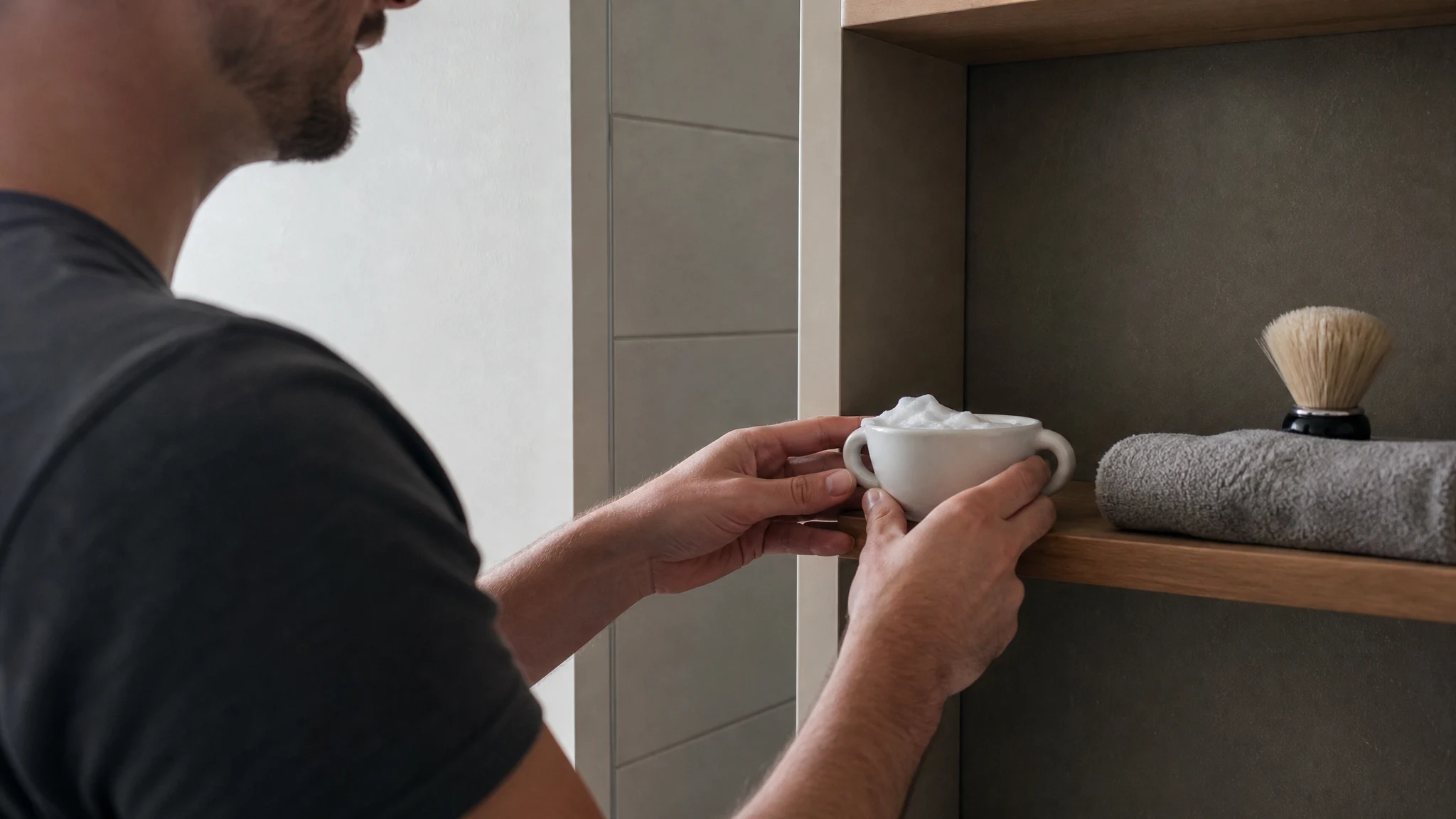
Shaving routine with warm water and calendula oil
- Start with warm water. A warm shower or a warm damp cloth for a minute softens the hair, which is the pre-shave step the review highlights.
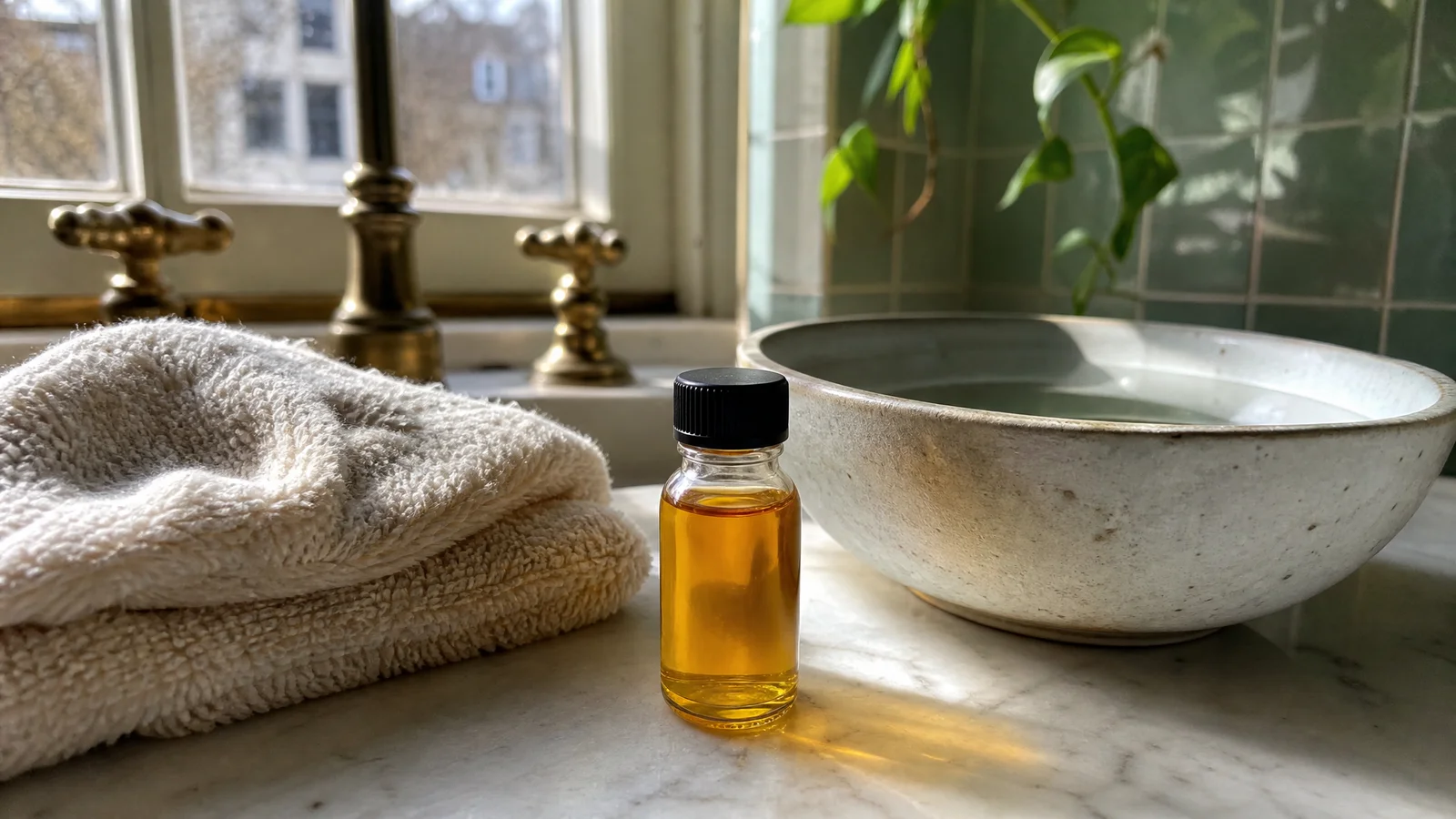
- Smooth on a few drops of oil. Warm them between your palms and spread a thin layer over damp skin. A little goes a long way.
- Use a sharp blade. A dull blade tugs on the hair before it cuts, which is the opposite of what you want.
- Shave with the direction of growth, in short strokes, and without pulling the skin tight. DermNet suggests going over the same area only once and keeping the non-shaving hand away from the skin, so you are not tempted to stretch it.
- Rinse with cool water and pat dry. If your skin feels like it wants a little more, one or two extra drops of oil afterward leave skin feeling soft and smooth.
Those technique points come from the review and from DermNet (Pseudofolliculitis Barbae (Razor Bumps): Images and Management), which both treat shaving bumps as a matter of how the hair is cut. The review also notes that multi-blade razors are generally discouraged and that clippers should leave at least 1 mm of hair behind, and DermNet adds that an electric shaver is worth trying in place of a blade. The two sources differ on frequency, with the review noting that frequent shaving suits razor users and DermNet mentioning shaving every other day, so this one is worth working out with a dermatologist if you are dealing with persistent bumps.
Razor glide: signs the oil is working
When the routine is working, you will notice it. The razor moves in short, quiet strokes without tugging, and you do not feel the need to press. If you hear a rasping sound or feel a drag, stop, rinse the blade, add a drop or two more oil to the damp skin and begin again. Needing to press harder is almost always a sign that something else, the blade or the prep, needs attention.
Rinse the razor after every couple of strokes. Oil and hair can build up on the blade, and a clean blade glides better.
Calendula shaving oil without added essential oils
We would use the oil on its own, without essential oils added. Fresh-shaved skin is easily surprised by fragrance, and with a single-ingredient oil it is easy to tell what your skin likes. The same goes for a patch test, which matters here because calendula is a daisy-family plant and the EU herbal monograph lists allergy to that family as a contraindication (European Union herbal monograph on Calendula officinalis L., flos). Run a week of twice-daily forearm applications first. Our patch test guide has the steps.
If you shave a beard or other areas of your body, the same routine applies there. We cover the grooming side in calendula oil for men.
How many drops of shaving oil are enough?
With a shaving oil, less is a good place to start. Begin with two or three drops for a small area like the jaw or lower legs, and increase only if you feel the blade drag. Too much oil can make skin slippery and hide where you have already been, which makes it easier to pass over the same patch twice. Warming the oil in your palms first makes it spread thinner, and you will usually find that the amount that works is smaller than you expected.
Shaving oil comfort limits and razor bump caution
An oil is a comfort tool. It helps the blade glide and leaves skin feeling soft and smooth afterward. It does not change how a hair is cut, and it is not a remedy for shaving bumps or any other skin condition, so we do not describe it as one. If bumps keep coming back, or your skin becomes red, sore or infected, that is a conversation for a dermatologist. If a rash, burning or redness shows up after using any cosmetic, FDA's advice is to stop using it, call a healthcare provider, and tell FDA about it.
Store the bottle somewhere cool and dark with the cap on. Heat, light and oxygen are what speed up oil oxidation (Vegetable oil oxidation: Mechanisms, impacts on quality, and approaches to enhance shelf life), and our storage guide explains how to keep it fresh. Our bottles are dated and lot-numbered, so you always know what you are holding.
Shaving does not have to be a chore. Warm water, a sharp blade and a few drops of oil is a routine you can settle into, and the good habits will serve you whichever oil you pick.
Calendula Oil
Nature's Golden Botanical, bottled: small-batch calendula oil in sizes from 0.5 oz to bulk.
From $13.99
Shop Calendula Oil →Sources & Further Reading
- Pseudofolliculitis barbae; current treatment options (Ogunbiyi, 2019)
- Pseudofolliculitis Barbae (Razor Bumps): Images and Management (DermNet)
- European Union herbal monograph on Calendula officinalis L., flos (EMA/HMPC/437450/2017)
- Using Cosmetics Safely (FDA)
- Vegetable oil oxidation: Mechanisms, impacts on quality, and approaches to enhance shelf life (Gharby et al., 2025)