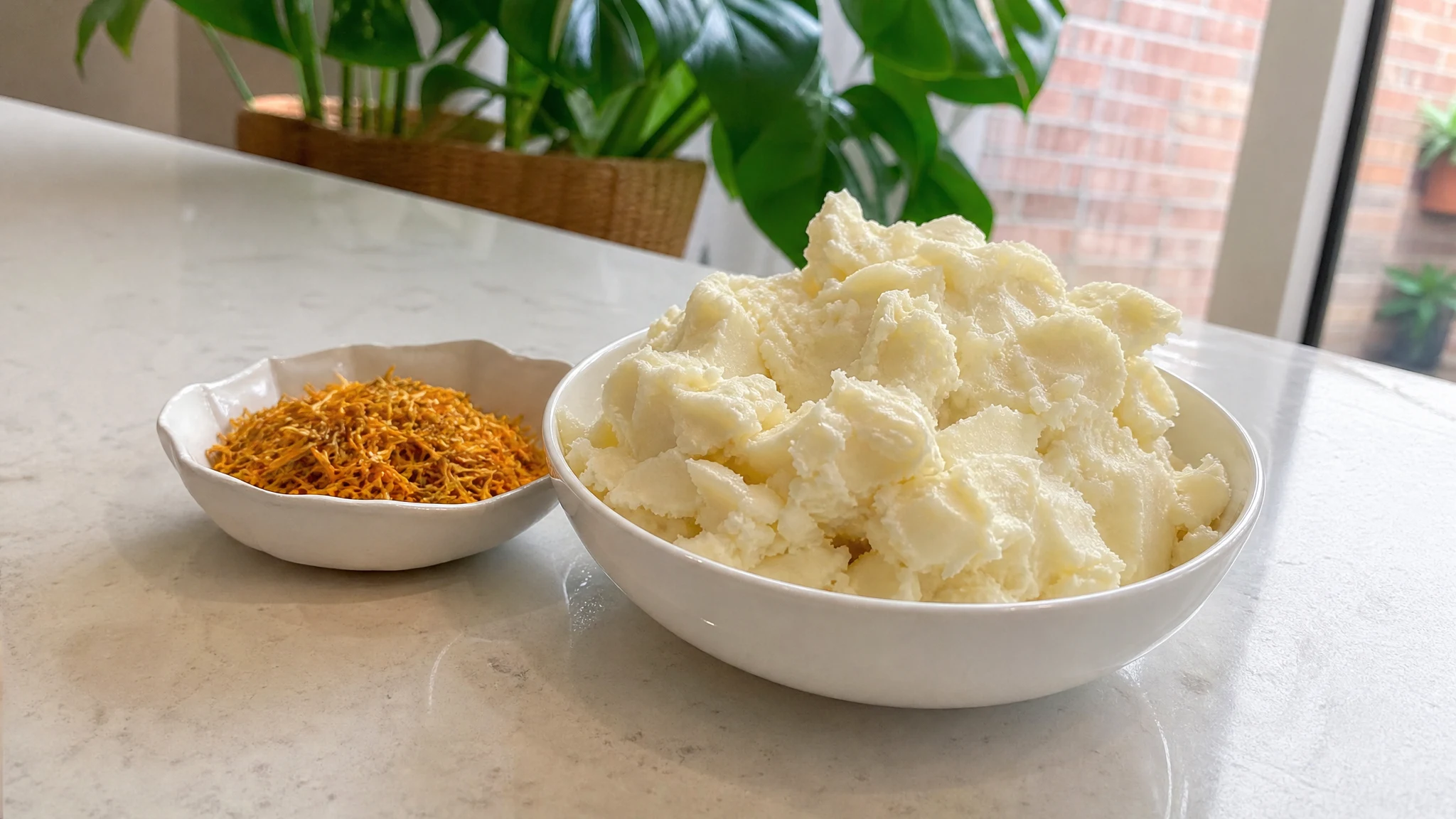
Shea Butter vs Calendula Oil: Better Together?
Shea butter is firm in the jar, soft on warm hands and delightfully rich. Calendula oil is liquid and golden and pours from the bottle. If you have dry skin and you are choosing between them, the fun part is that you probably do not have to choose at all, because they are different tools.
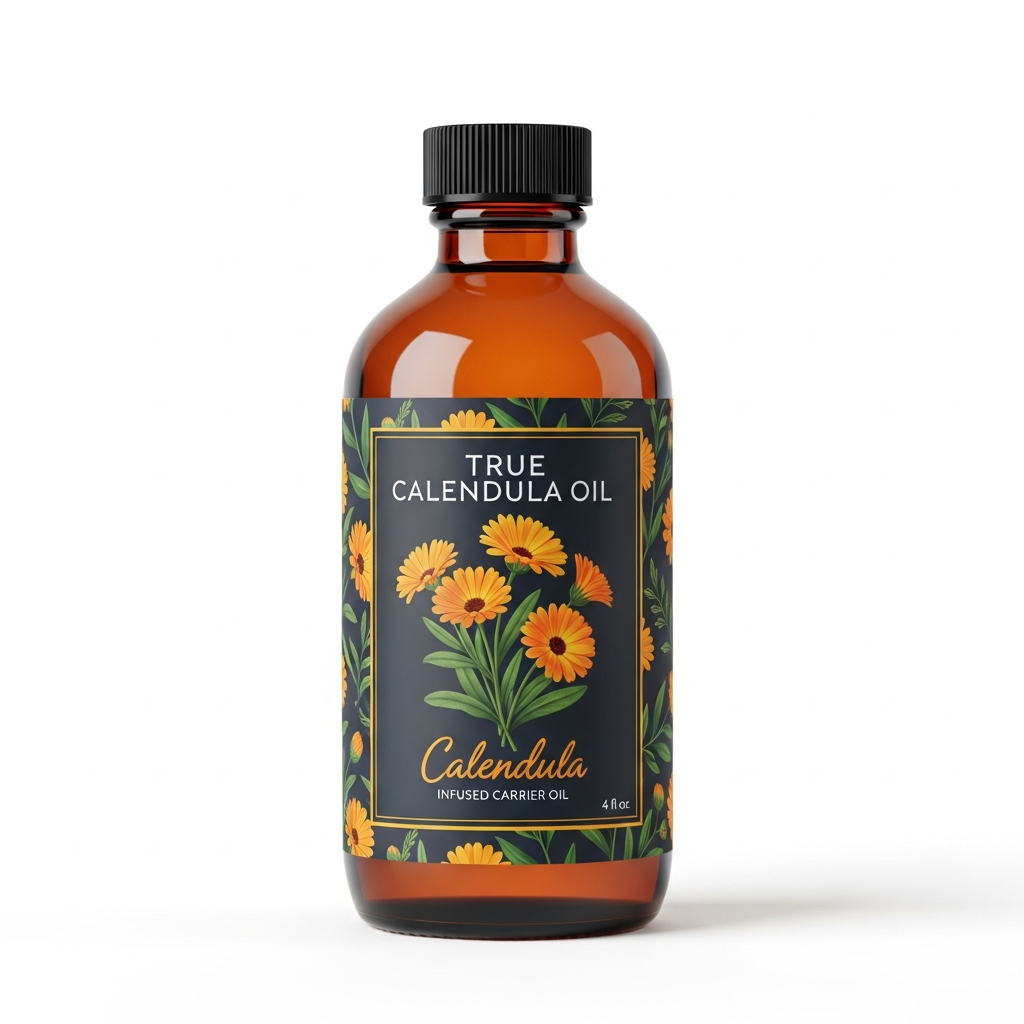
Calendula Oil
Our own small-batch calendula oil, in sizes from 0.5 oz to bulk.
From $13.99
Shop Calendula Oil →Shea butter and calendula oil: solid versus liquid
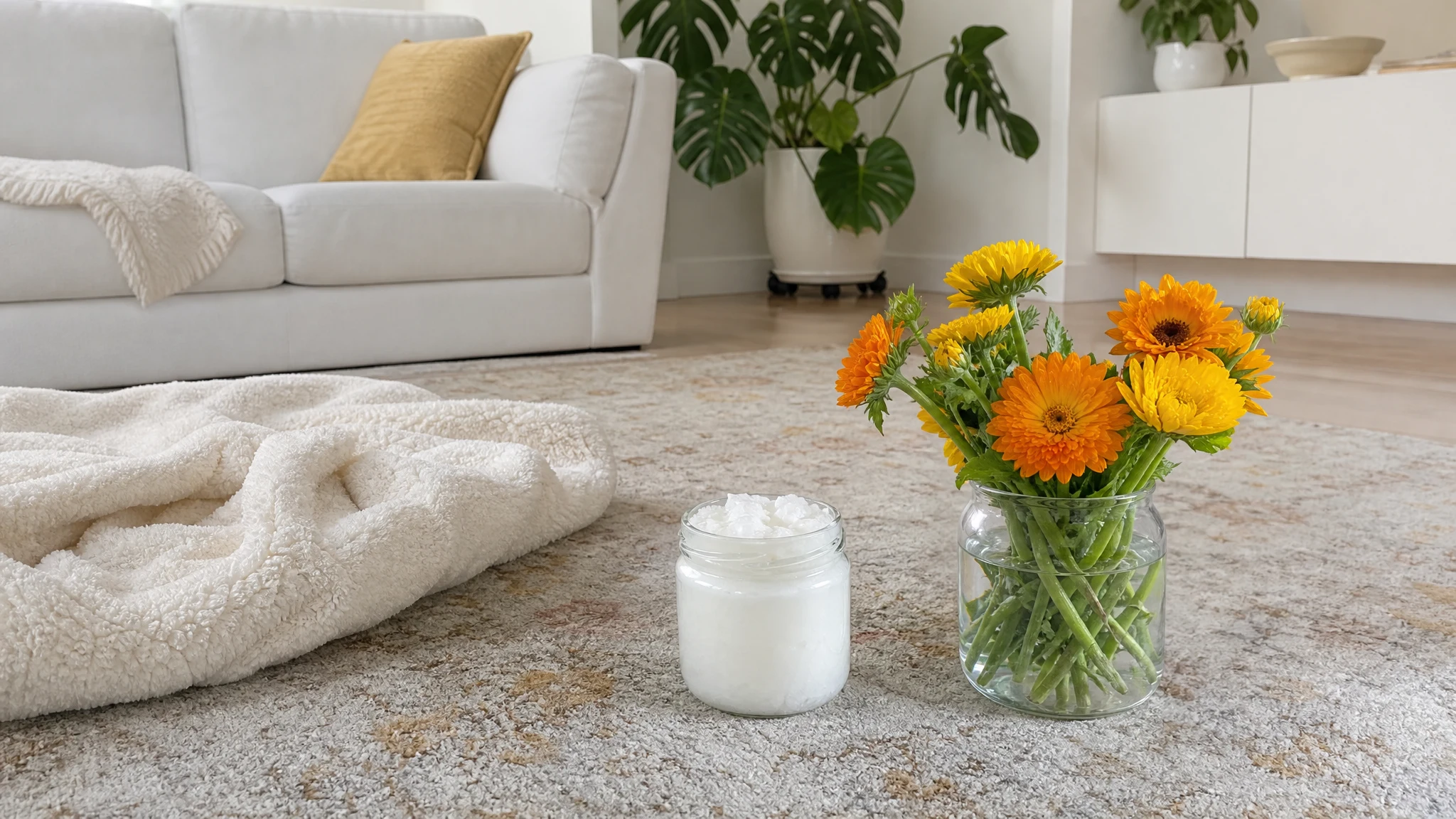
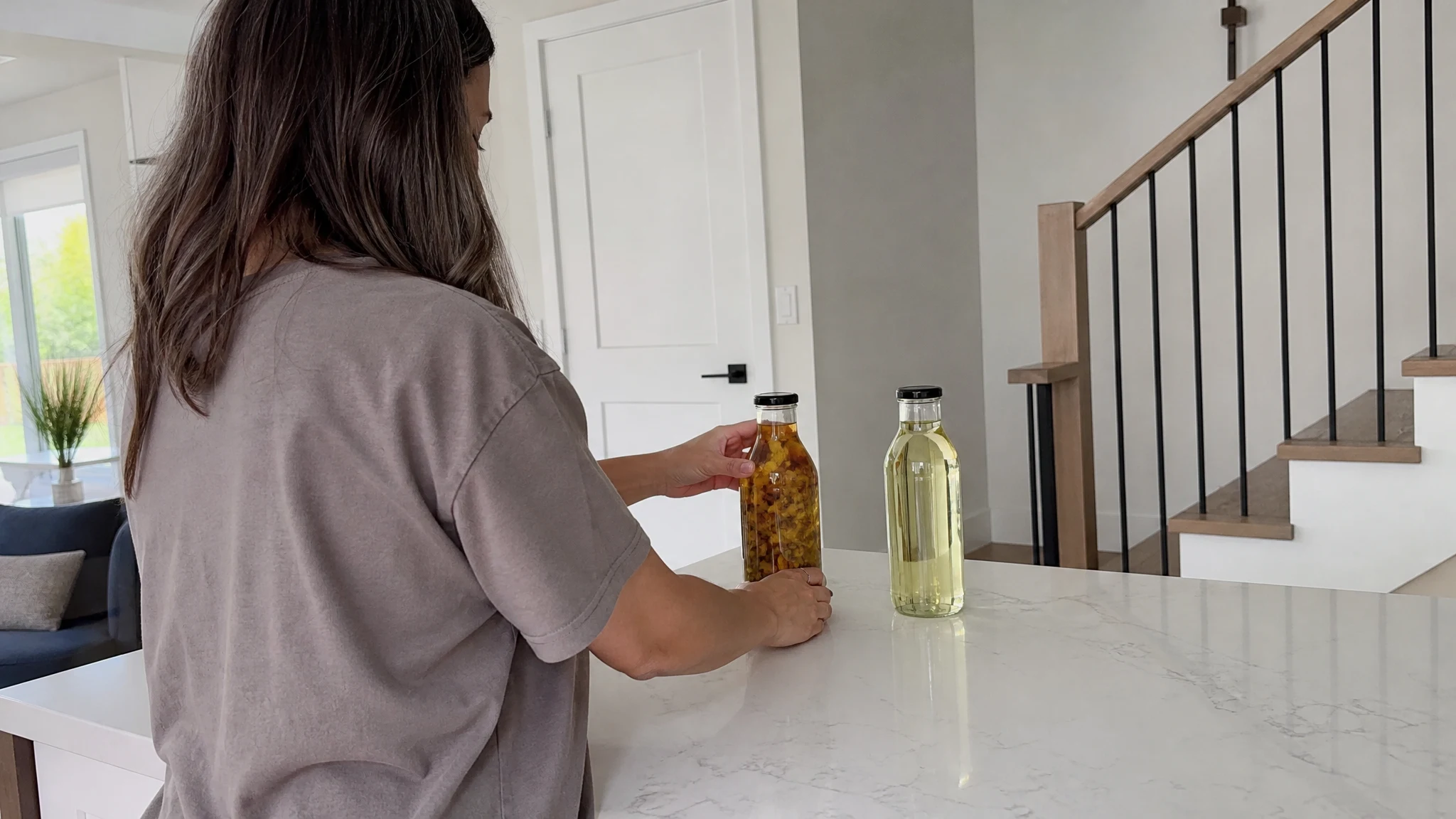
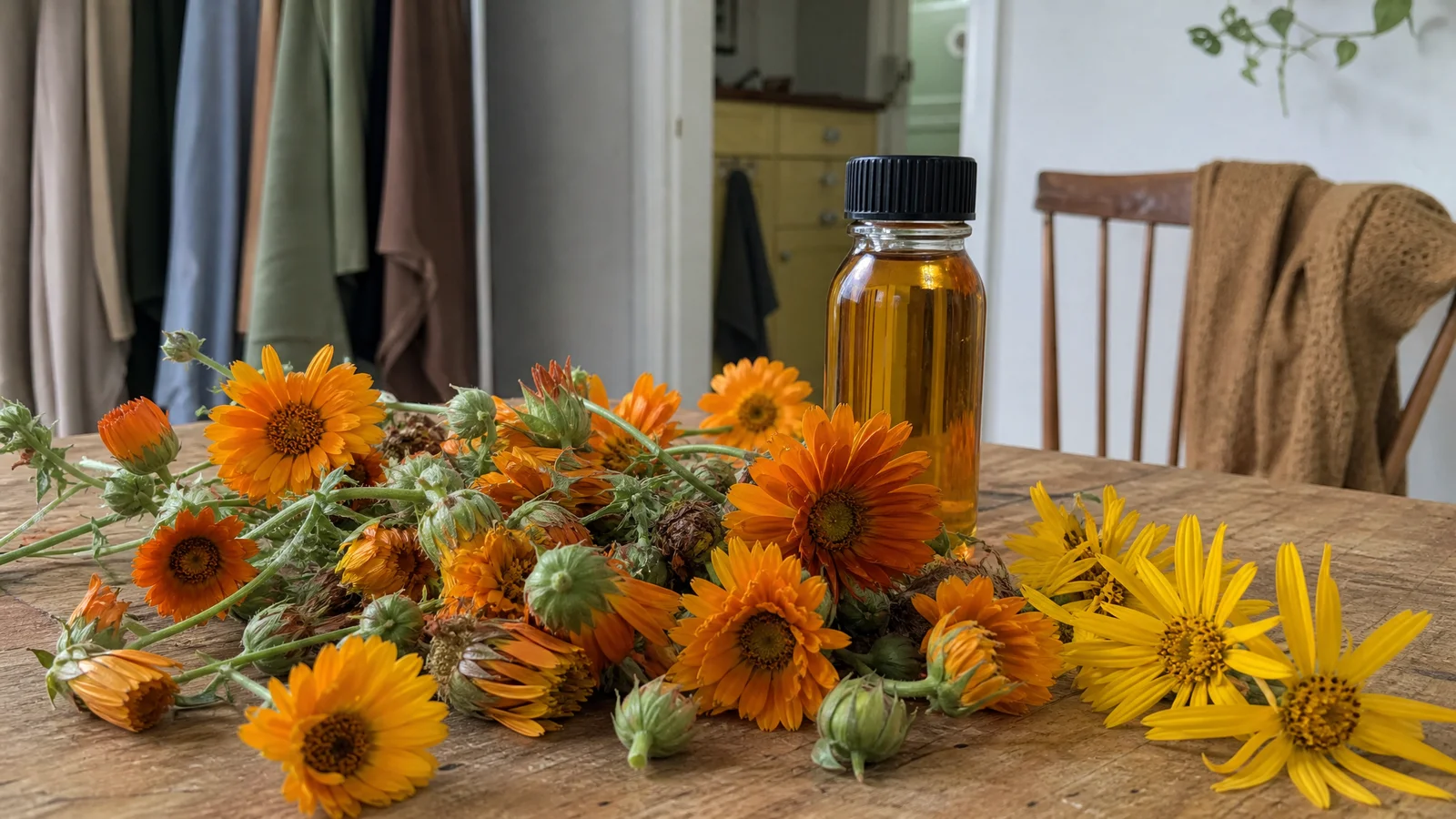
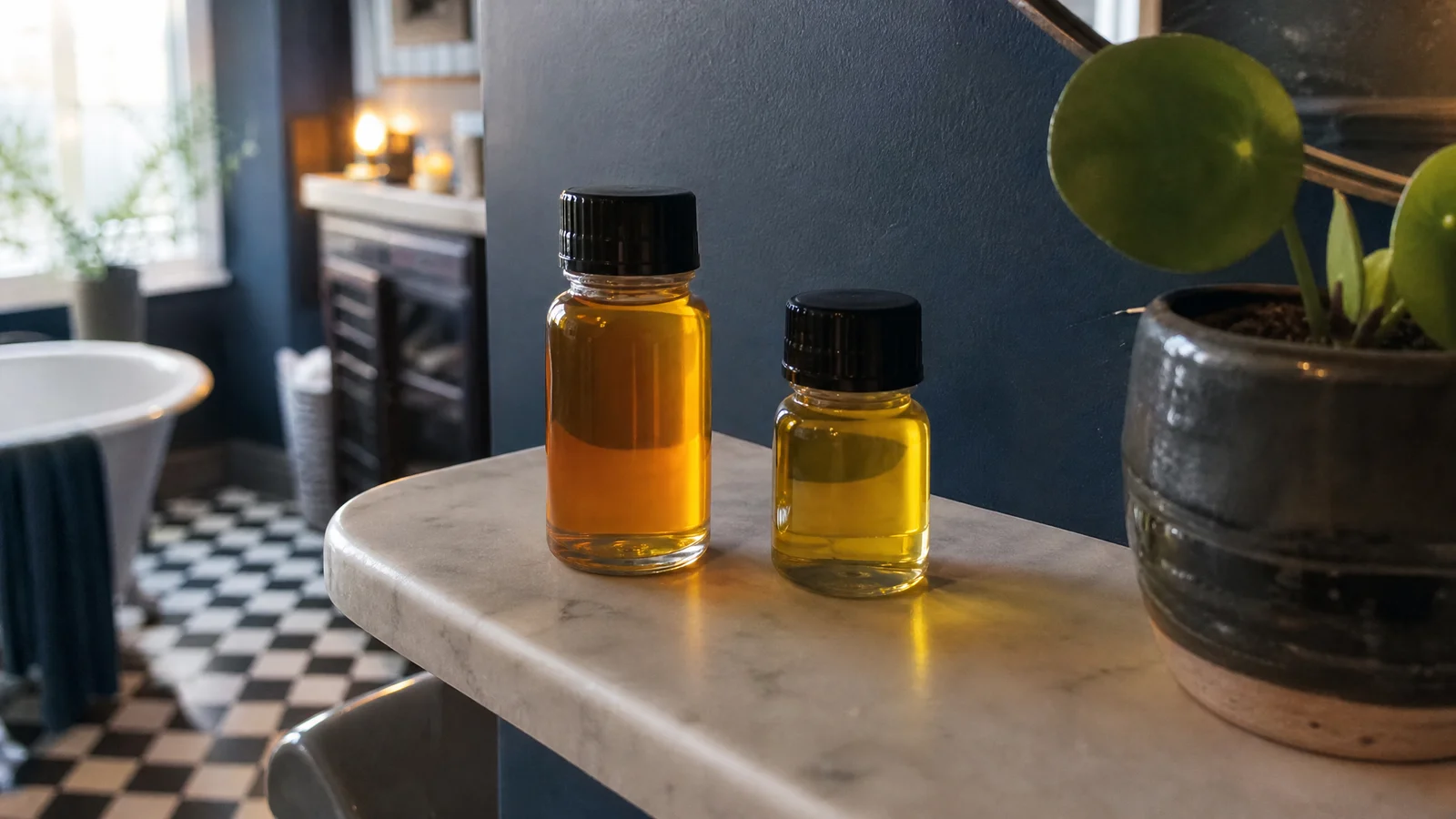
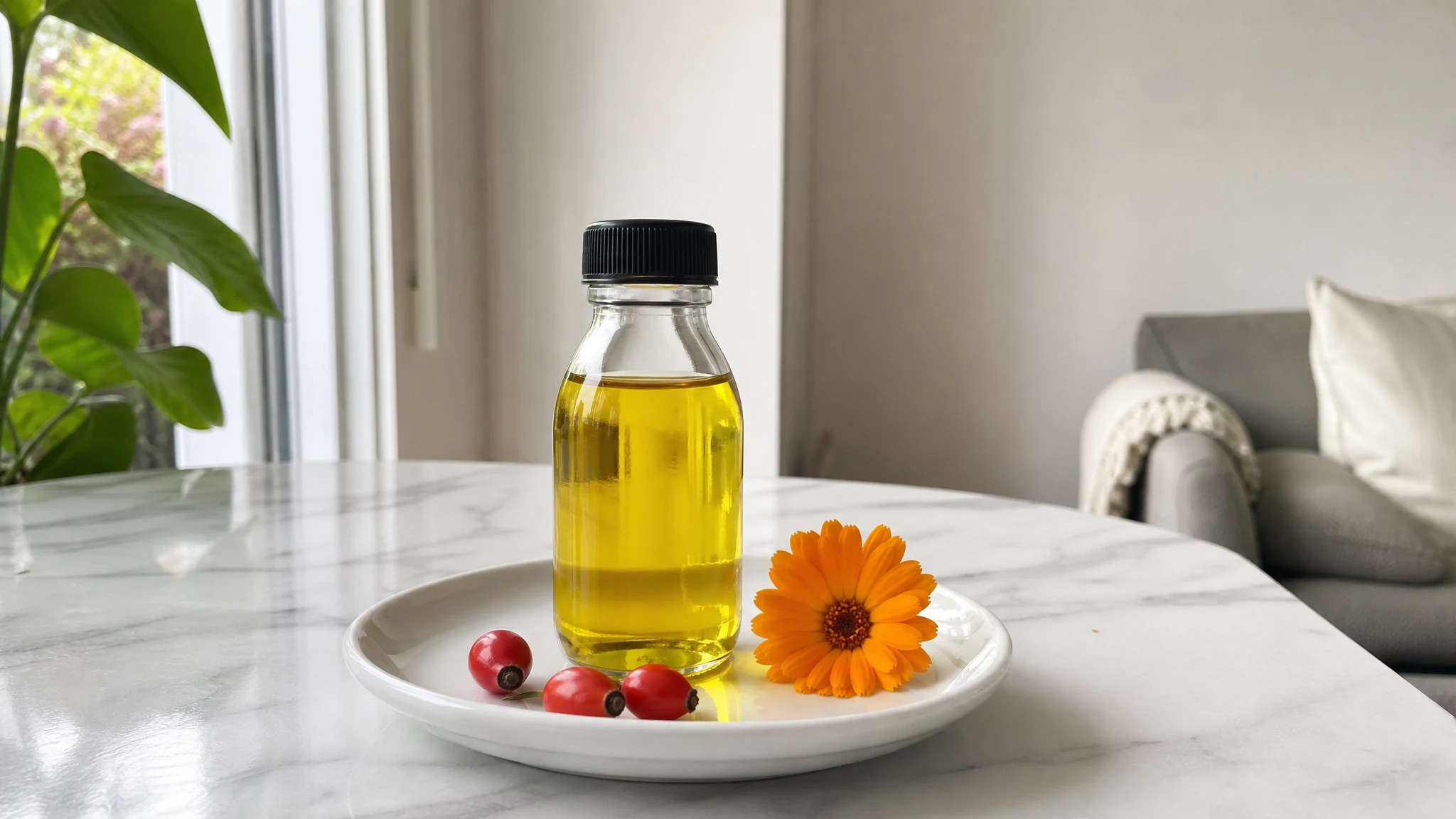
Shea butter is a solid fat that melts around skin temperature. That is why it feels like a butter: it stays put where you put it, and sits on skin as a layer. Our calendula oil is an infused oil. We extract calendula on its own, bring the extract into a carrier oil, and add nothing afterward, which makes it a thin, easily spread oil.
If you want a thick, cushioning layer over a very dry patch, shea is the more natural pick, and we say so happily. If you want calendula in a product, an infused oil is how the flower gets there. Used together, they make a classic base for a homemade balm.
What do calendula skin studies actually cover?
Most of the skin-hydration research on calendula uses extracts in creams, not infused oils. In a 2025 double-blind trial, 20 healthy volunteers had their forearms irritated and then treated. Sites treated with an emollient cream containing 1 percent supercritical CO2 calendula extract showed greater skin hydration on day 4 than sites treated with the plain emollient or left untreated, and the difference was still there on day 8. It is a promising small trial, and it is worth reading carefully: the extract was made by a different method from our infusion, the cream base was itself an emollient, and the volunteers were healthy. So it tells us calendula is an interesting ingredient in a good moisturizing base; it does not measure what our oil does.
The European herbal committee lists calendula flower preparations as traditional-use products for minor skin inflammation, and it asks you to see a doctor if symptoms last more than a week. Neither plain shea nor plain calendula oil is a treatment for a skin condition. If you have cracked, bleeding or weeping skin, or dryness that is itchy and keeps returning, a dermatologist is the right person to see.
How shea butter and calendula oil feel
Pick up a jar of shea butter and you will notice it right away: firm, creamy, sometimes a little grainy, with a nutty, earthy smell that varies from one maker to the next. It melts as soon as you rub it between your palms. Calendula oil pours, spreads quickly, and leaves a thin glossy sheen, with only a faint herbal note.
The two feel so different that people often prefer one for particular places. Many like the butter on elbows, knees and heels, where something firm stays put, and the oil on forearms and hands, where a lighter touch is welcome.
Making a calendula balm with shea butter
Here is the idea behind a good oil-and-butter balm, using sensible reasoning and not a published recipe: melt the shea gently, stir in the calendula oil a little at a time, and stop when the texture suits you. More oil gives a softer balm and more butter a firmer one, so you control it by feel.
The one thing to protect is water. A balm made only of oil and butter is anhydrous, which keeps it simple. FDA notes that contaminated water and ineffective preservation are ways cosmetics become contaminated, and it advises consumers not to add water to cosmetic products because it waters down preservatives. A creamy home recipe with water in it and no tested preservative is a different kind of project, so we would keep a homemade balm water-free. Our body butter article covers a whipped version.
Because we add no preservatives or antioxidants to our oil, make small batches, use clean dry tools, keep the jar closed and cool, and use it up while it is fresh. The dated, lot-numbered bottle lets you track the age of the oil you are using, and our storage guide has more.
Who should patch test shea and calendula first?
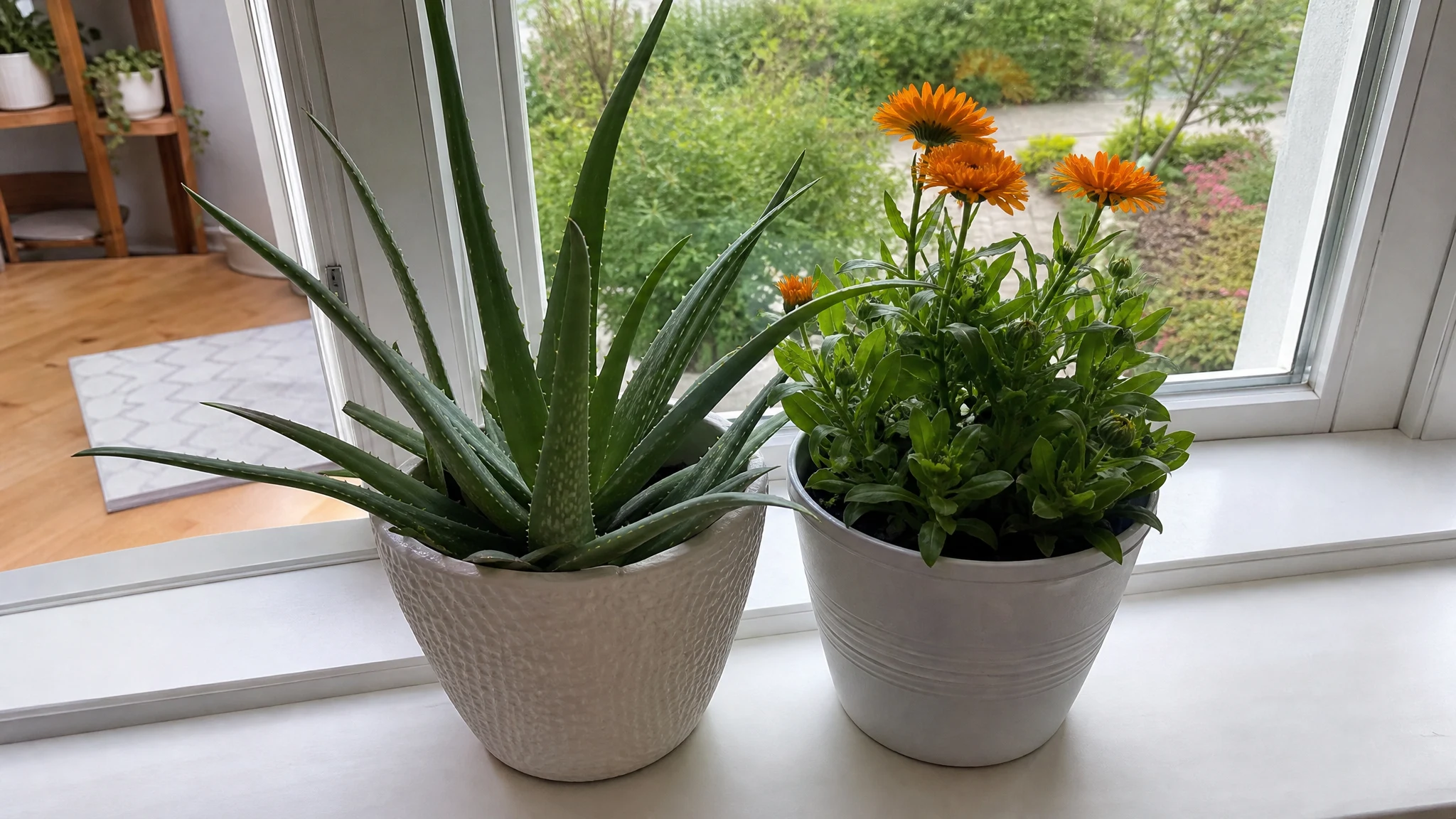
Calendula is a daisy-family (Asteraceae) plant. The European monograph lists hypersensitivity to that family as a contraindication and notes that skin sensitization has been reported. In an Austrian clinic series of 443 dermatitis patients, 9 reacted to marigold on a patch test; that was a referred group, so it is not a rate for everyone, but it is why we always suggest a small test first. Our ragweed allergy article and patch test guide explain what to watch for.
A simple layering idea
If you like both, you can layer them. Smooth a few drops of calendula oil onto damp skin first, then add a small dab of shea butter only to the driest spots. You get the easy spread of the oil everywhere, and the extra staying power of the butter where you want it. Start with less than you think you need, since both go a long way.
Dry skin: choosing calendula oil or shea butter
Mildly dry skin and you like oils: a few drops of calendula oil on damp skin is an easy place to start, and our dry-skin routine shows how it fits in. Very dry patches that need something to stay put: shea butter, on its own or with calendula oil melted in. A skin problem that will not settle: neither, and a dermatologist.
Whichever you choose, the pairing is more fun than the contest.
Calendula Oil
Nature's Golden Botanical, bottled: small-batch calendula oil in sizes from 0.5 oz to bulk.
From $13.99
Shop Calendula Oil →Sources & Further Reading
- Double-blind randomised controlled trial of an emollient cream with and without 1 % supercritical CO2 extract of Calendula officinalis in contact dermatitis (Crnčević et al., Acta Pharmaceutica, 2025).
- European Union herbal monograph on Calendula officinalis L., flos (EMA/HMPC/437450/2017, 2018).
- Microbiological Safety and Cosmetics (U.S. Food and Drug Administration).
- The seamy side of natural medicines: contact sensitization to arnica (Arnica montana L.) and marigold (Calendula officinalis L.) (Reider et al., Contact Dermatitis, 2001).