Calendula Wound Studies: How to Read the Research
Search for calendula and wounds and you will find a surprising number of clinical trials. What stands out once you start reading is how different they are from each other, and how far most of them sit from a bottle of infused oil. Calendula is a plant with a long record and a short list of well-controlled studies, and the gap between those two things is the interesting part.
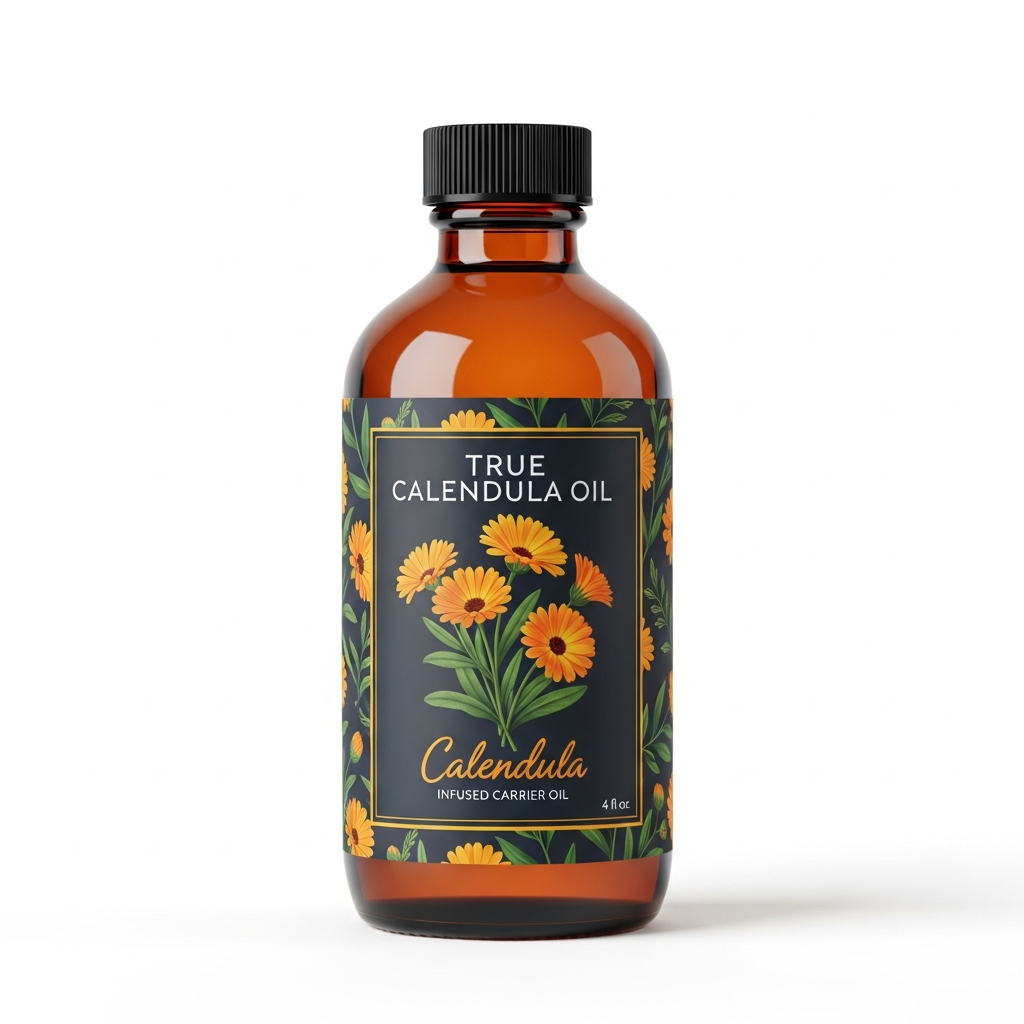
Calendula Oil
Our own small-batch calendula oil, in sizes from 0.5 oz to bulk.
From $13.99
Shop Calendula Oil →Systematic review verdicts on topical calendula for wounds
A 2008 systematic review looked for randomized trials of topical calendula on wounds of any kind. It found six, only one of good quality, and described the support as weak (Leach, 2008). A 2019 review widened the net to 14 studies, seven in animals and seven in people. In acute wounds, animal studies and one randomized trial pointed to faster resolution of inflammation and more granulation tissue. Chronic wounds were a mixed picture: two controlled studies in venous ulcers found smaller ulcer area, while a randomized trial in diabetic leg ulcers found no improvement, and a burns trial found no benefit over controls (Givol et al., 2019). European regulators list calendula flowers for minor wounds and minor skin inflammation on the basis of long-standing use, and judged the studies small, with methodological weakness (EMA assessment report, 2018).
Venous ulcer trial of marigold ointment, read closely
The venous ulcer work is a good example of how to read these trials. In 34 people, an ointment made from a marigold extract was applied twice a day for three weeks, and total ulcer area fell 41.7%, against 14.5% in a group using saline dressings. The difference was statistically significant, and the authors themselves called the results preliminary (Duran et al., 2005). It is a small study, the comparison was a saline dressing rather than a plain ointment, and the setting was a clinic. It tells us something about that ointment in that situation. It does not say that calendula speeds closure everywhere.
Calendula ointment radiotherapy trials with opposite results
Radiotherapy skin is where the contrast is sharpest. In a French trial of 254 women having breast radiotherapy, 41% using a calendula ointment developed dermatitis of grade 2 or higher, against 63% using the comparison cream trolamine (Pommier et al., 2004). A later blinded Swedish trial of 411 women compared a calendula cream with an aqueous cream and found no difference, with severe reactions in 23% and 19% (Sharp et al., 2013). Different preparations, different comparison products and different protocols make it unsurprising that the answers disagree. For anyone in radiotherapy, the skin-care plan belongs to the radiation oncology team.
Which questions help you read a calendula study?
You do not need a science degree to read a trial sensibly. A few plain questions go a long way:
- What exactly was applied? An ointment, a cream, an extract and an infused oil are four different products, even when they all say calendula.
- What was it compared with? A saline dressing, a standard cream and nothing at all make for very different races.
- Who took part, and where? A clinic full of people with leg ulcers tells you little about a gardener with a scratched hand.
- How many people, for how long? Small and short studies are a starting point for curiosity, not a verdict.
Asked of the trials above, these questions explain a lot of the disagreement. They also keep us honest about what we can say, because the thing we make is a cosmetic oil from a flower we love, and we would rather be plain about that.
Why is infused calendula oil not the studied product?
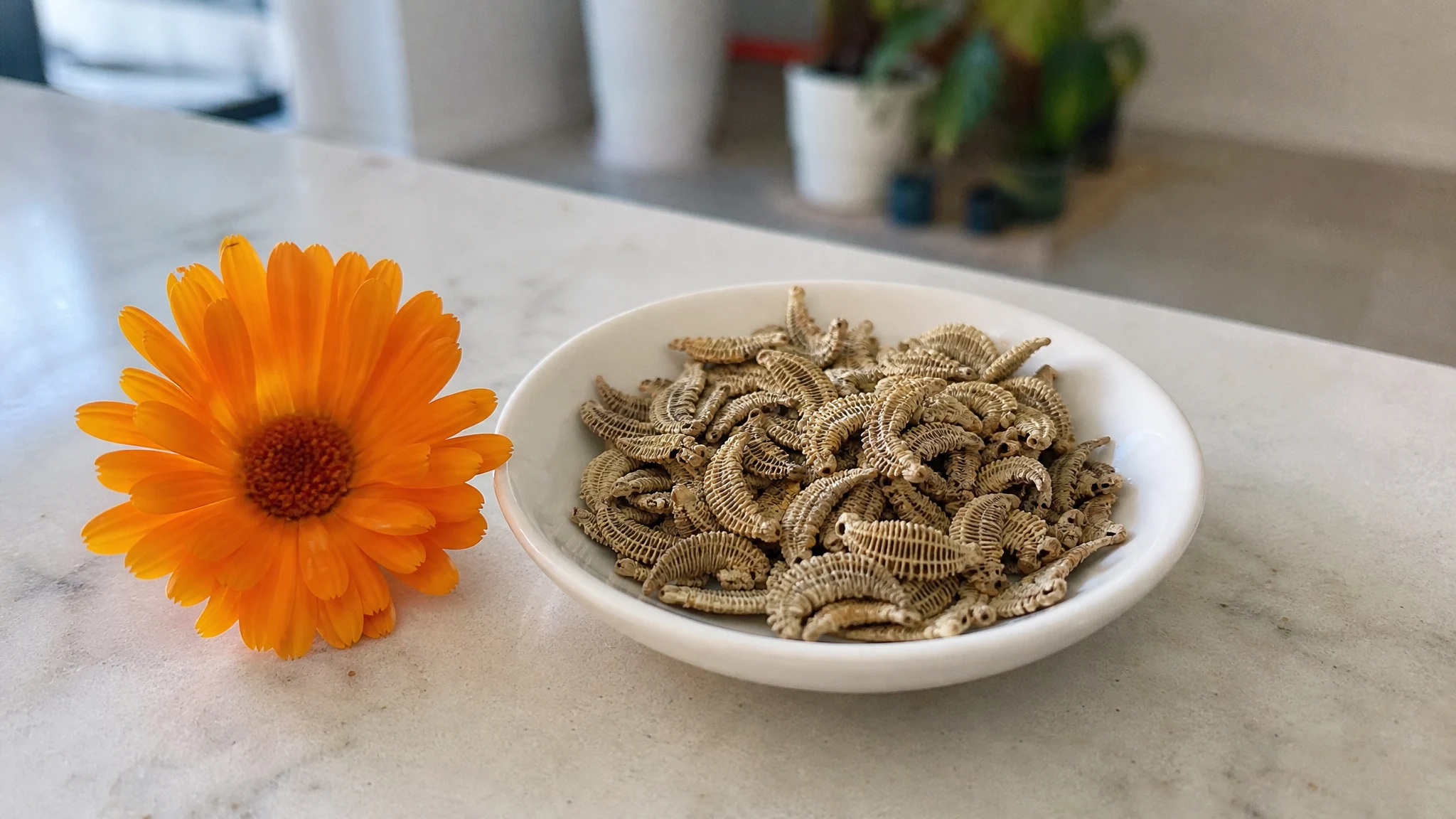
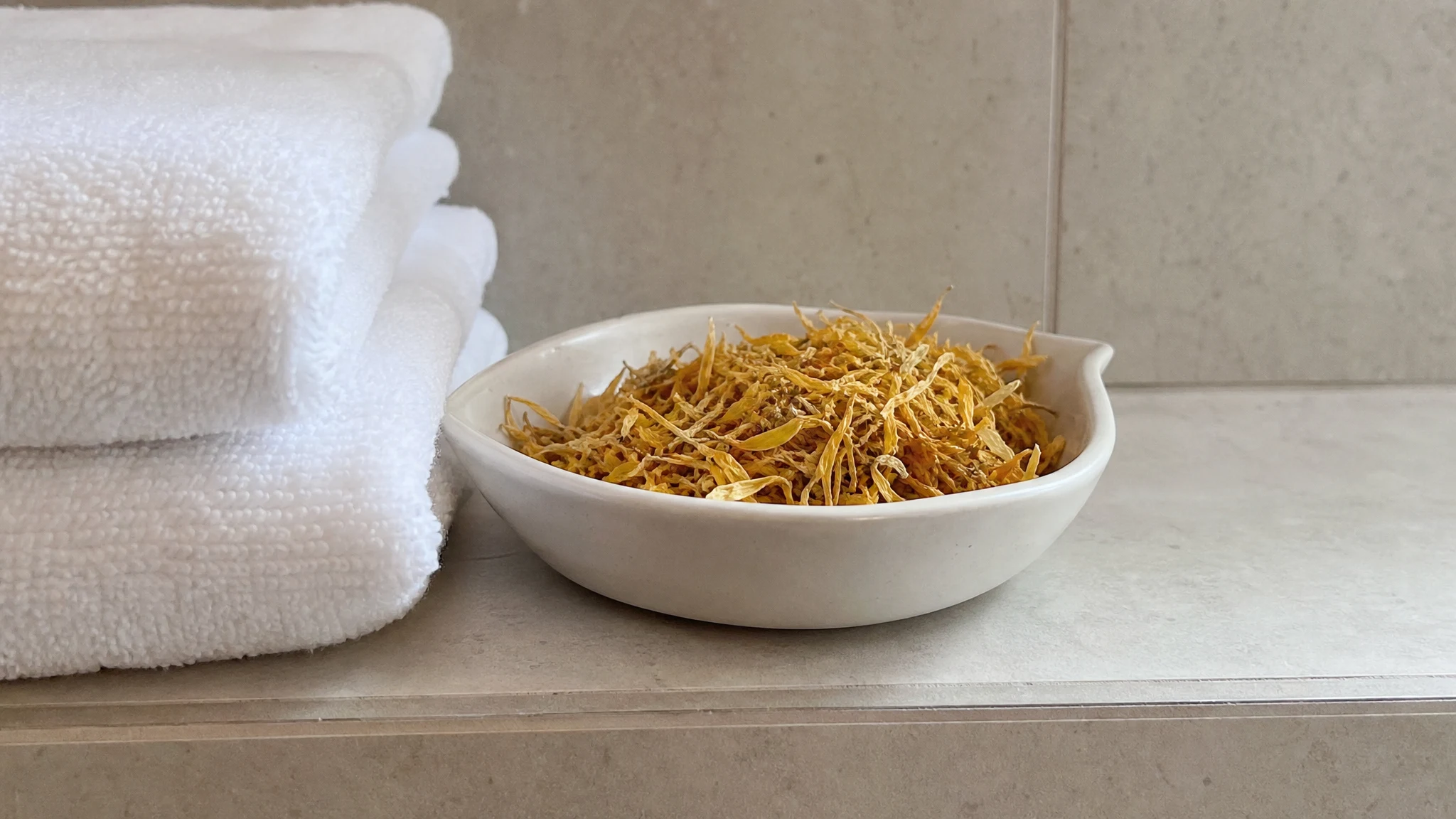
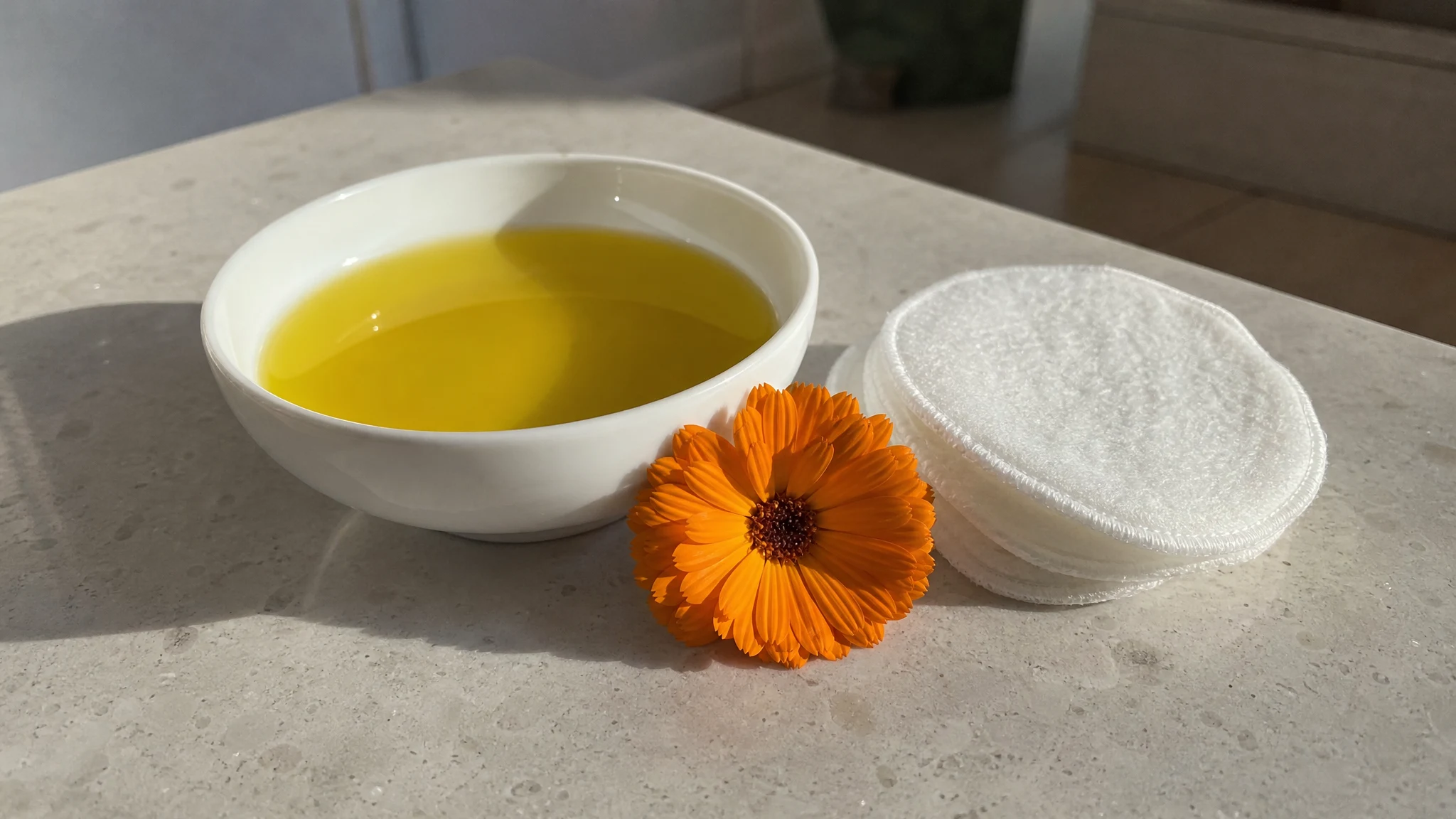
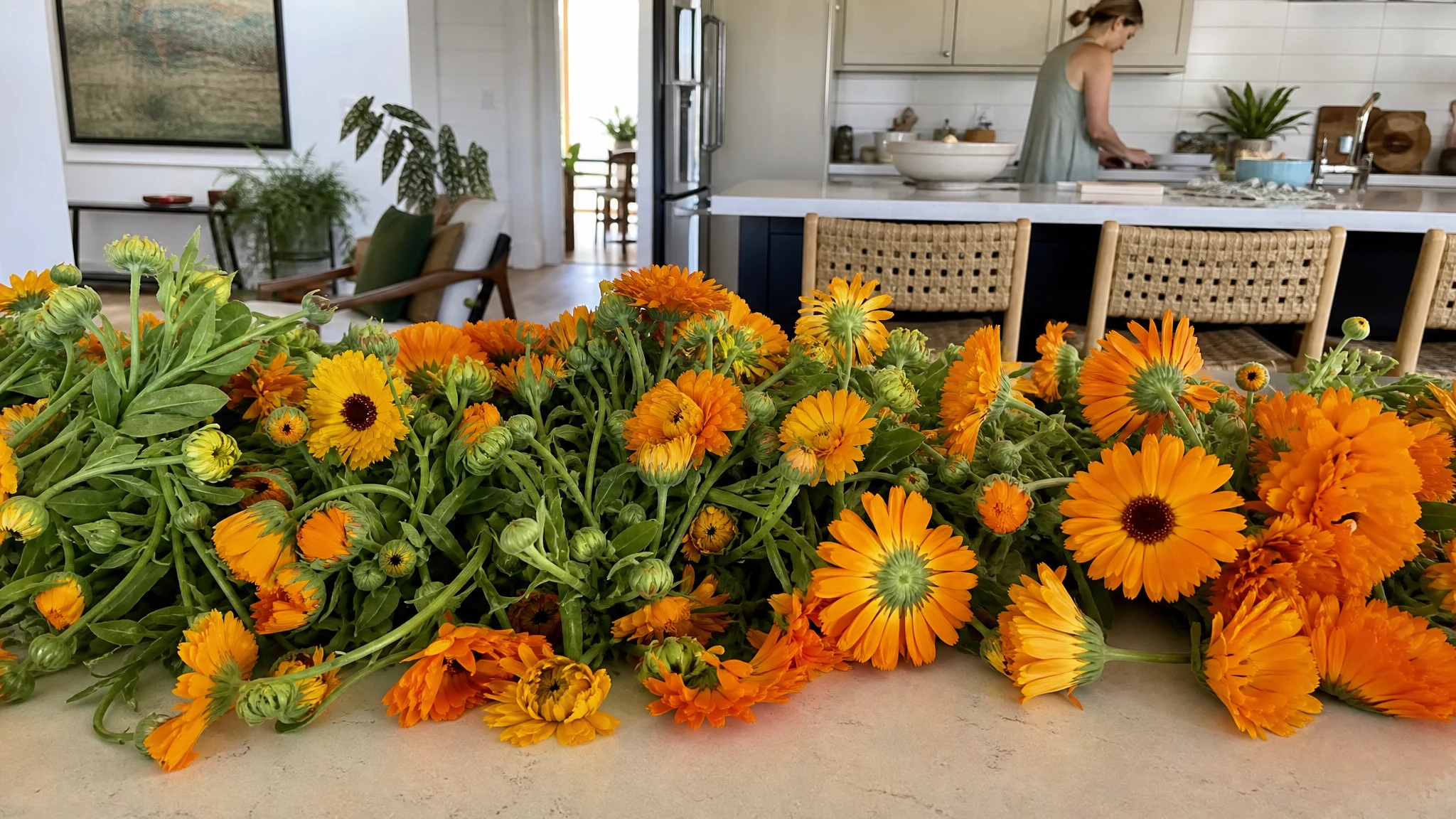
The preparations in the studies above were defined ointments, creams and extracts. Our oil is made another way: dried, organically grown flowers, petals separated by hand from whole flower heads, calendula extracted on its own and then brought into a carrier oil. Stretching those results to ours would be reasoning by analogy, and we would rather say that plainly than lean on it. It is also why we do not describe our oil as something for open wounds.
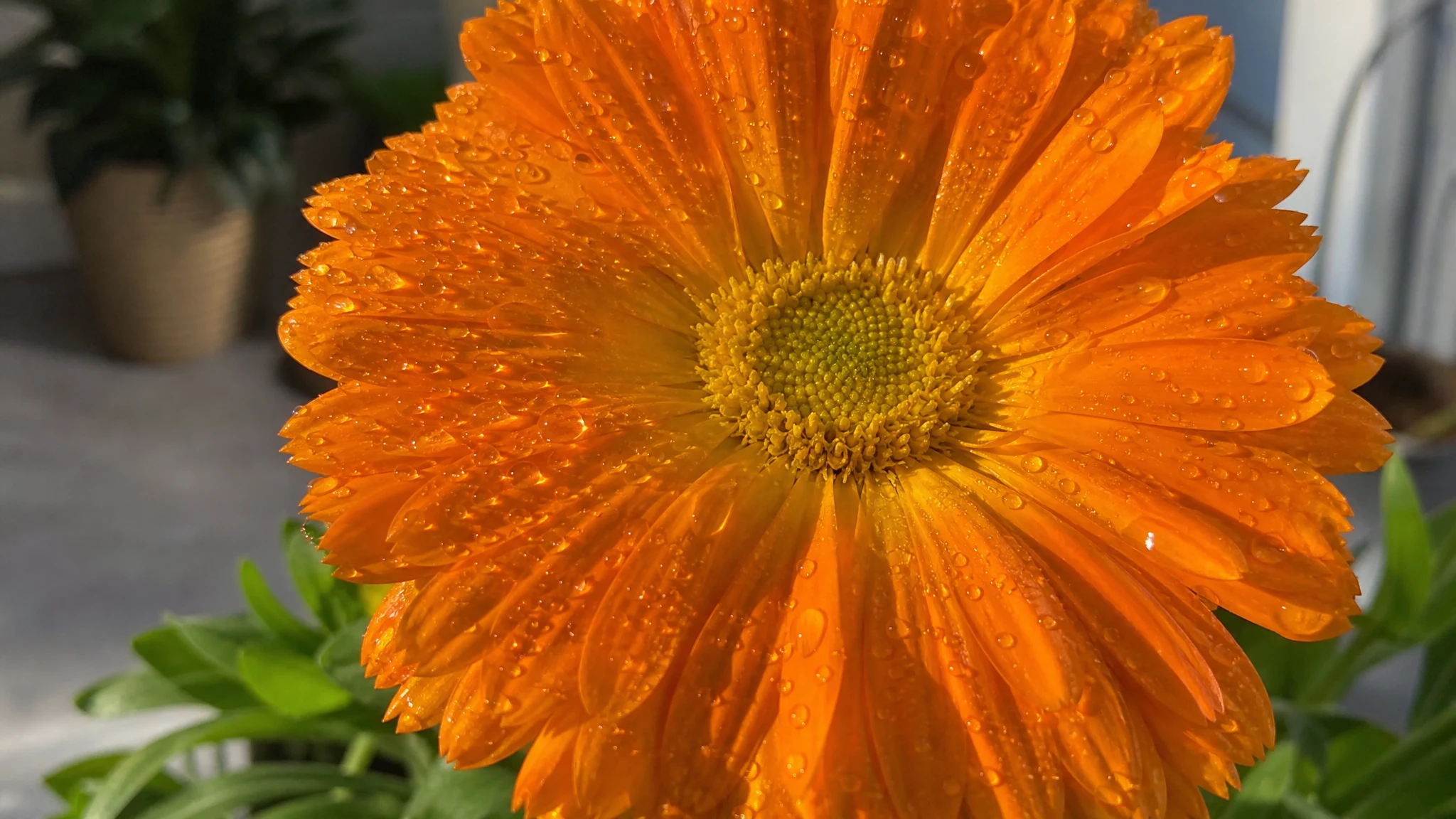
None of this makes the plant less interesting. If you have ever held a fresh calendula head, with its tacky, resinous feel and its saffron color, you can see why people have been curious about it for so long. Curiosity is a fine reason to read the research. It is just not a reason to skip the doctor.
Minor wounds only: when a clinician takes over
The EU monograph keeps calendula to minor wounds and suggests seeing a doctor or qualified practitioner if symptoms last longer than a week (EMA/HMPC monograph, 2018). Most of the studies above involved leg ulcers, diabetic foot ulcers, surgical wounds or radiotherapy, settings where a clinician is already in charge. If a wound is deep, looks infected, is slow to close, or follows surgery, the choice of what goes on it is theirs.
The same monograph lists sensitivity to daisy-family (Asteraceae) plants as a contraindication, does not recommend skin use under age 6, and says safety in pregnancy and breastfeeding has not been established. Those are statements about missing data, and a pediatrician or midwife is the right person to ask. Our patch test guide and pregnancy article go into both.
On healthy, intact skin, our oil is a cosmetic that softens and moisturizes, and the paperwork for each batch tells you how it was made and tested. When the question is about healing, the studies are a window into a plant worth being curious about, and your care team is the right place to take it.
Calendula Oil
Nature's Golden Botanical, bottled: small-batch calendula oil in sizes from 0.5 oz to bulk.
From $13.99
Shop Calendula Oil →Sources & Further Reading
- Leach MJ, 2008. Calendula officinalis and Wound Healing: A Systematic Review. PubMed 25941793
- Givol O et al., 2019. A systematic review of Calendula officinalis extract for wound healing. PubMed 31145533
- Duran V et al., 2005. Results of the clinical examination of an ointment with marigold (Calendula officinalis) extract in the treatment of venous leg ulcers. PubMed 16372475
- Pommier P et al., 2004. Phase III randomized trial of Calendula officinalis compared with trolamine for the prevention of acute dermatitis during irradiation for breast cancer. PubMed 15084618
- Sharp L et al., 2013. No differences between Calendula cream and aqueous cream in the prevention of acute radiation skin reactions - results from a randomised blinded trial. PubMed 23245940
- European Medicines Agency, HMPC, 2018. European Union herbal monograph on Calendula officinalis L., flos. ema.europa.eu
- European Medicines Agency, HMPC, 2018. Assessment report on Calendula officinalis L., flos. ema.europa.eu