Calendula Oil in the Bath: Add It After, Not During
Few things look as cheerful as a bath bomb fizzing across a tub. They are also built around fragrance, dye and a long soak, which is not the friendliest combination for skin that already complains easily. We make calendula oil, and we think its best role at bath time is after the water, not in it.
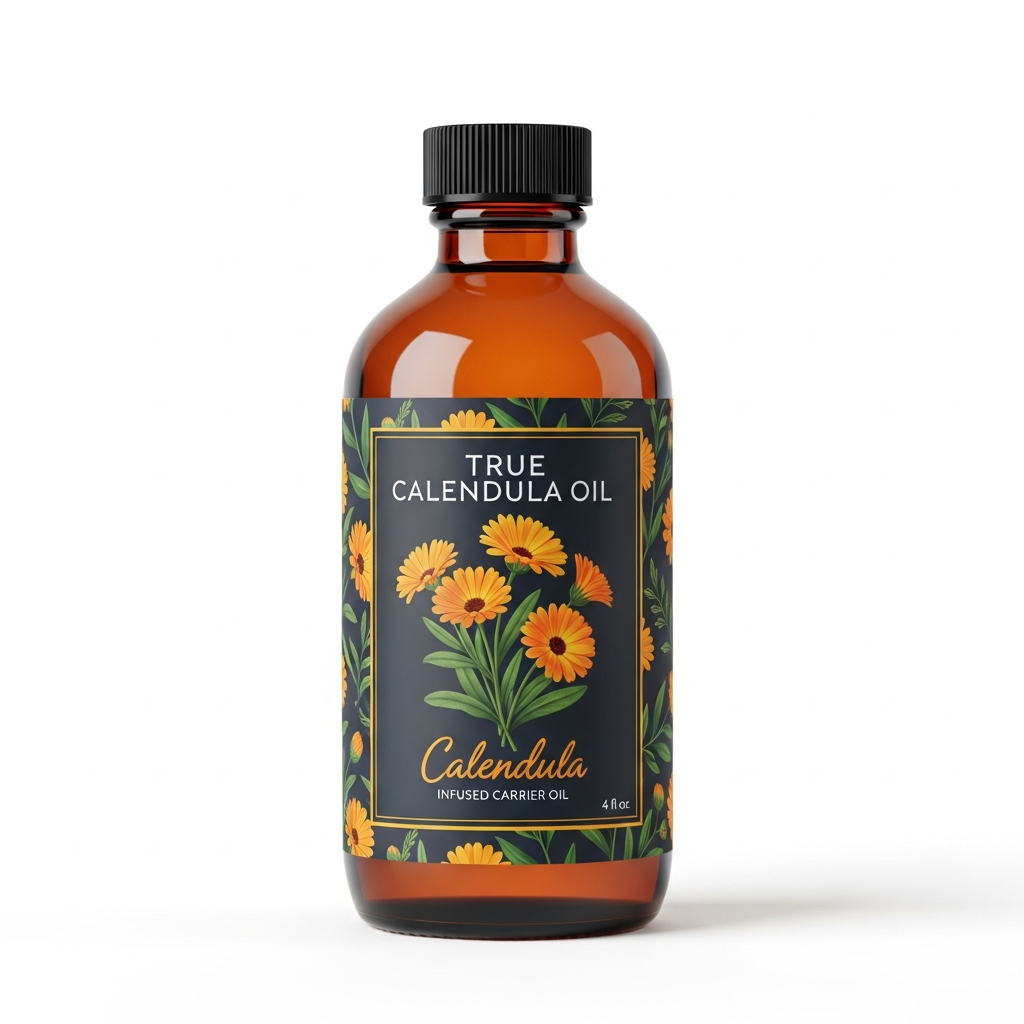
Calendula Oil
Our own small-batch calendula oil, in sizes from 0.5 oz to bulk.
From $13.99
Shop Calendula Oil →What ingredients ride along in fizzy bath bombs?
The fizz itself is simple chemistry: baking soda and citric acid, which Cleveland Clinic dermatologist Alok Vij, MD, describes as generally neutralizing each other once they meet water. The extras are what he flags. Fragrances, whether synthetic or from essential oils, dyes, whether natural or lab-made, preservatives and glitter can all bother skin. His point that "natural ingredients" can also play mischief is worth remembering, and so is his note that a small bomb can still pack a concentrated dose of whatever might trigger a reaction.
His practical advice is friendly rather than alarming. If you have no history of eczema and no known sensitivity to fragrance or dye, the occasional bath bomb is fine. Stay in only until fingers and toes start to prune, usually 10 to 15 minutes, and rinse afterward. If you know you react to such ingredients, skip them.
Bathing advice for dry or sensitive skin
Dermatology guidance on bathing reads almost the same wherever you look. The American Academy of Dermatology's advice for people with psoriasis is a bath of 15 minutes or less in warm, not hot, water with a gentle, moisture-rich cleanser. Its atopic dermatitis page recommends a 5 to 10 minute bath or shower in warm water, then moisturizing right away while skin is still damp, and choosing fragrance-free products. It also points out that "unscented" only means the fragrance has been masked.
Put those together and a good bath is short, warm and plain. That is the opposite of a long, scented, colorful soak, and it is the reason we steer people toward the simpler option.
Where does calendula oil belong around a bath?
Oil and water do not mix, so oil poured into a tub mostly floats on top and coats the tub and anything that touches the surface. We know of no research measuring how much calendula oil from a bath ends up helping skin, so we do not suggest it. What the dermatologists describe is moisturizing straight after the bath, and for skin without a diagnosed condition, a few drops of oil on still-damp skin fits that pattern. That is our reasoning from their advice, not a studied routine. If you have eczema or psoriasis, the AAD specifically names fragrance-free creams or ointments for that step, so ask your dermatologist whether an oil belongs in your routine.
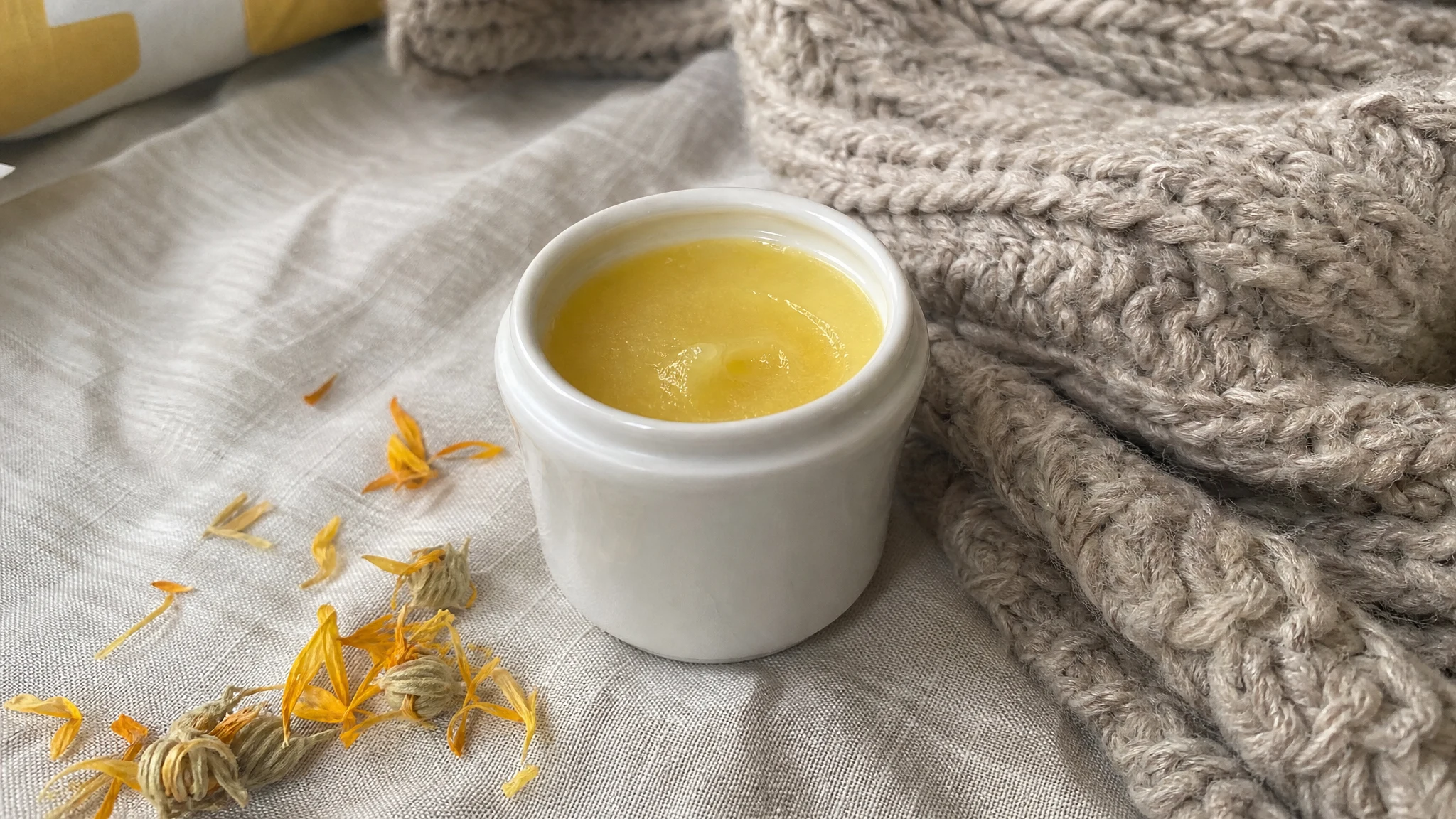
Our oil is an infusion: dried calendula flowers extracted on their own, then brought into a carrier oil, with nothing else added. We keep the carrier on the batch paperwork rather than on the website, and you can have it by emailing the lot number to support@truecalendulaoil.com. Our daily routine guide shows where oil sits in a skincare routine, and the oatmeal bath article covers a classic soak.
Warm water, dim lights and a soft towel
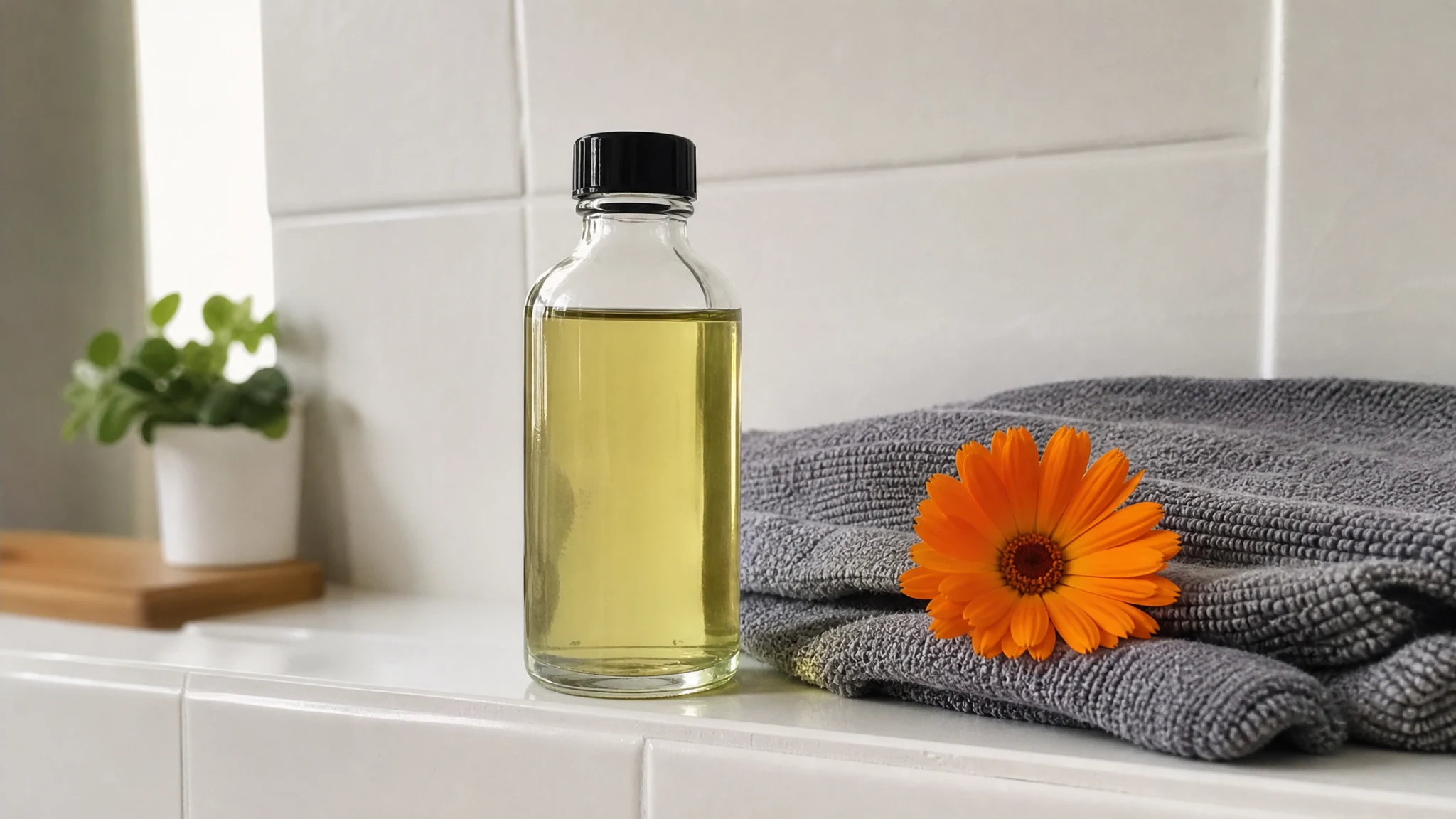
A good bath does not need fizz and glitter to feel special. Run the water to a temperature that feels pleasantly warm on your wrist, dim the lights, put on a favorite playlist, and have a soft towel ready. Listen to the quiet. When you are done, get out, pat your skin, and reach for your oil while you are still slightly damp. Open the bottle and take a breath: the faint, warm, floral-herbal scent of calendula is a nice way to close out a day. A little goes a long way, and a few drops warmed between the palms are plenty.
Gentler homemade bath bomb ingredient choices
A gentler version starts with the ingredient list rather than the oil:
- Leave out the fragrance, the essential oils and the dye. They are the ingredients the dermatologists call out, and the natural versions count too.
- Skip glitter, and think twice about witch hazel and cocoa butter, which Dr. Vij names as natural ingredients that can dry skin or encourage yeast.
- Keep the base to baking soda, citric acid and a binder. Use a tested ratio from a soap-making supplier rather than guessing, since the proportions affect how the bomb holds together.
- Try the finished bomb on a small patch of skin before a full soak, and keep the bath short.
If you share a bathroom, keep the oil on a shelf out of the splash zone, with the cap tight. Water in a bottle of oil is best avoided, and a wet hand reaching into a bottle is the usual way it gets there. Dry your hands first, pour a little into your palm, and close the cap again.
Calendula officinalis allergy: the short version
Calendula is a daisy-family plant, and the European herbal monograph lists hypersensitivity to Asteraceae plants as a contraindication, while not recommending skin use under age six or during pregnancy and breastfeeding because data are lacking. In one Austrian patch-test study of people with dermatitis, 9 of 443 reacted to marigold, which is a clinic population rather than the general public. A patch test on the forearm is a sensible habit; our allergy guide explains who should be most careful. If a product causes a rash or burning, the FDA advises stopping it and calling a healthcare provider.
The simplest bath routine is also the one with the most support: short, warm, fragrance-free, then moisturize. A little calendula oil afterward is a lovely way to finish.
Calendula Oil
Nature's Golden Botanical, bottled: small-batch calendula oil in sizes from 0.5 oz to bulk.
From $13.99
Shop Calendula Oil →Sources & Further Reading
- Cleveland Clinic: Is Marinating in the Tub With a Bath Bomb Safe for Your Skin?
- American Academy of Dermatology: 8 ways to stop baths and showers from worsening your psoriasis
- American Academy of Dermatology: Eczema types: Atopic dermatitis skin care
- European Medicines Agency: European Union herbal monograph on Calendula officinalis L., flos
- Reider N et al., Contact Dermatitis, 2001: The seamy side of natural medicines: contact sensitization to arnica (Arnica montana L.) and marigold (Calendula officinalis L.)
- FDA: Using Cosmetics Safely