Calendula Oil and Zinc Oxide: Can You Mix Them?
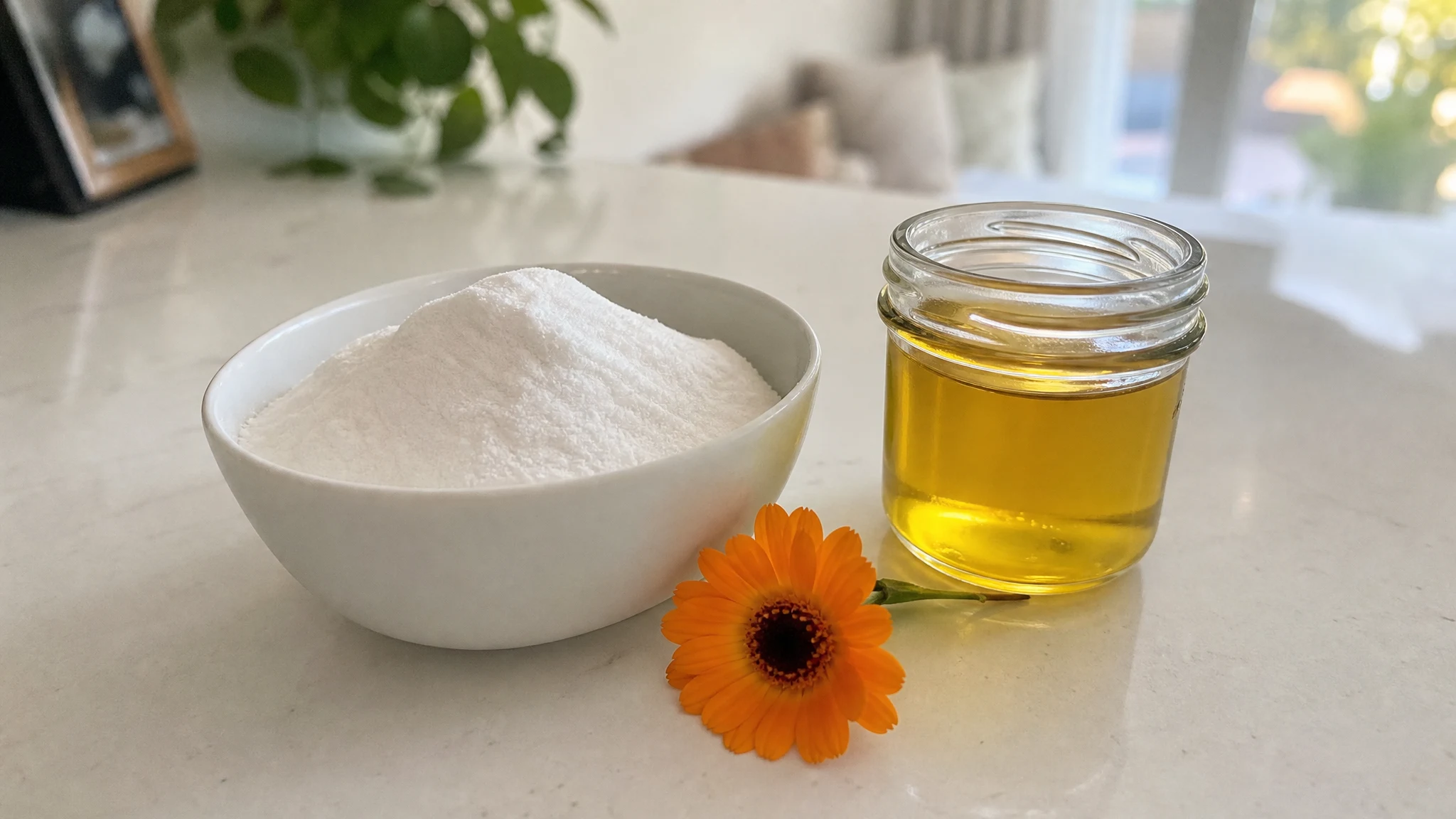
Zinc oxide and calendula oil sit side by side in plenty of baby balms and barrier creams, so it is natural to wonder whether you can stir the two together at home. You can certainly stir them. What a kitchen blend cannot do is tell you how much protection from the sun you have made, and that is the question that decides whether the project is worth doing.
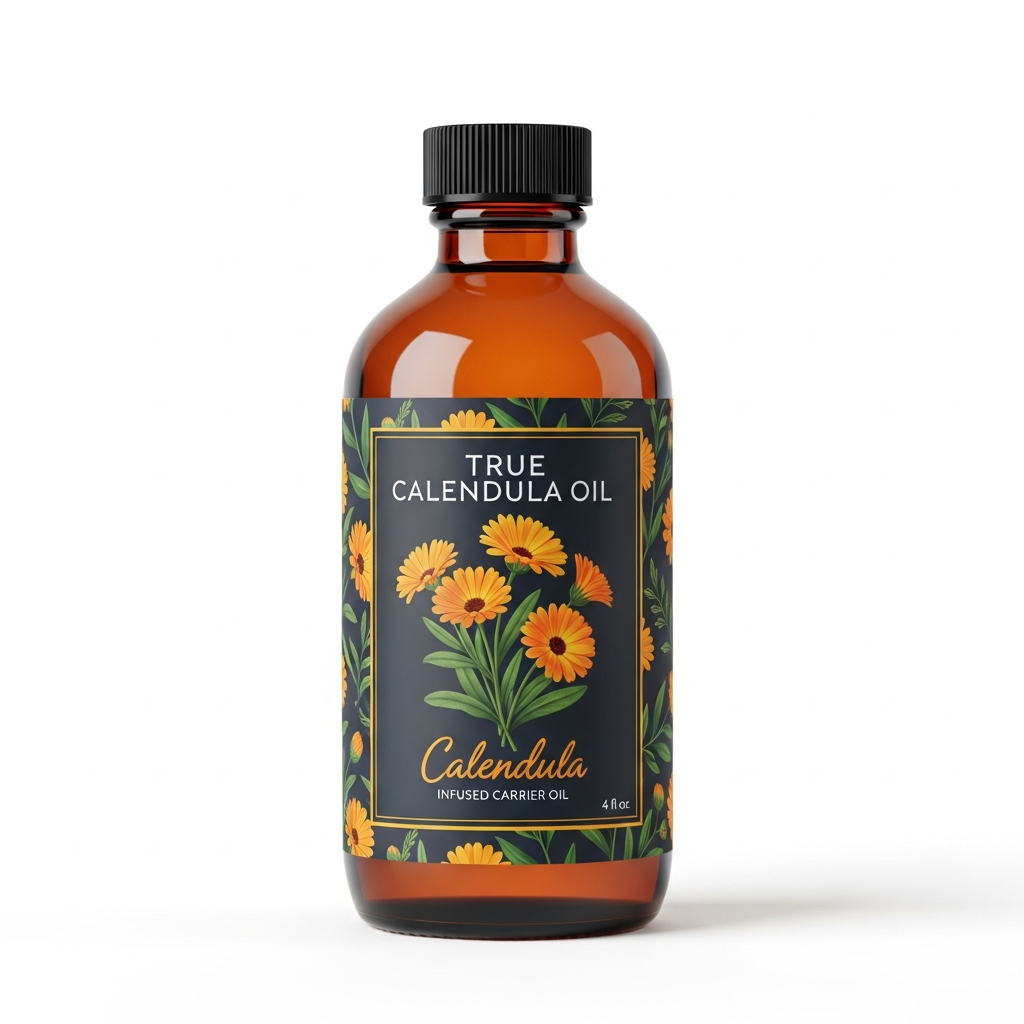
Calendula Oil
Our own small-batch calendula oil, in sizes from 0.5 oz to bulk.
From $13.99
Shop Calendula Oil →SPF numbers: what a sunscreen test measures
When you pick up a bottle of sunscreen, the SPF on the front is not a guess. FDA explains that sunscreens are tested to measure how much ultraviolet exposure it takes to cause sunburn with the product on, compared with bare skin, and the label value comes from that comparison. In the United States sunscreens are regulated as nonprescription drugs, which is part of why that testing exists.
That testing depends on standardized lab conditions: a known amount of product spread in a known thickness, measured against a reference. A home blend has none of that. Even with excellent zinc oxide, the amount in the oil, how evenly it is suspended and how thickly you spread it all change the result, and nothing in the jar will tell you which way. For that reason, we simply do not offer a recipe, and calendula oil is not a sun-protection product. We would rather say so plainly than hand you a jar with a made-up number attached.
Why is homemade sunscreen unreliable?
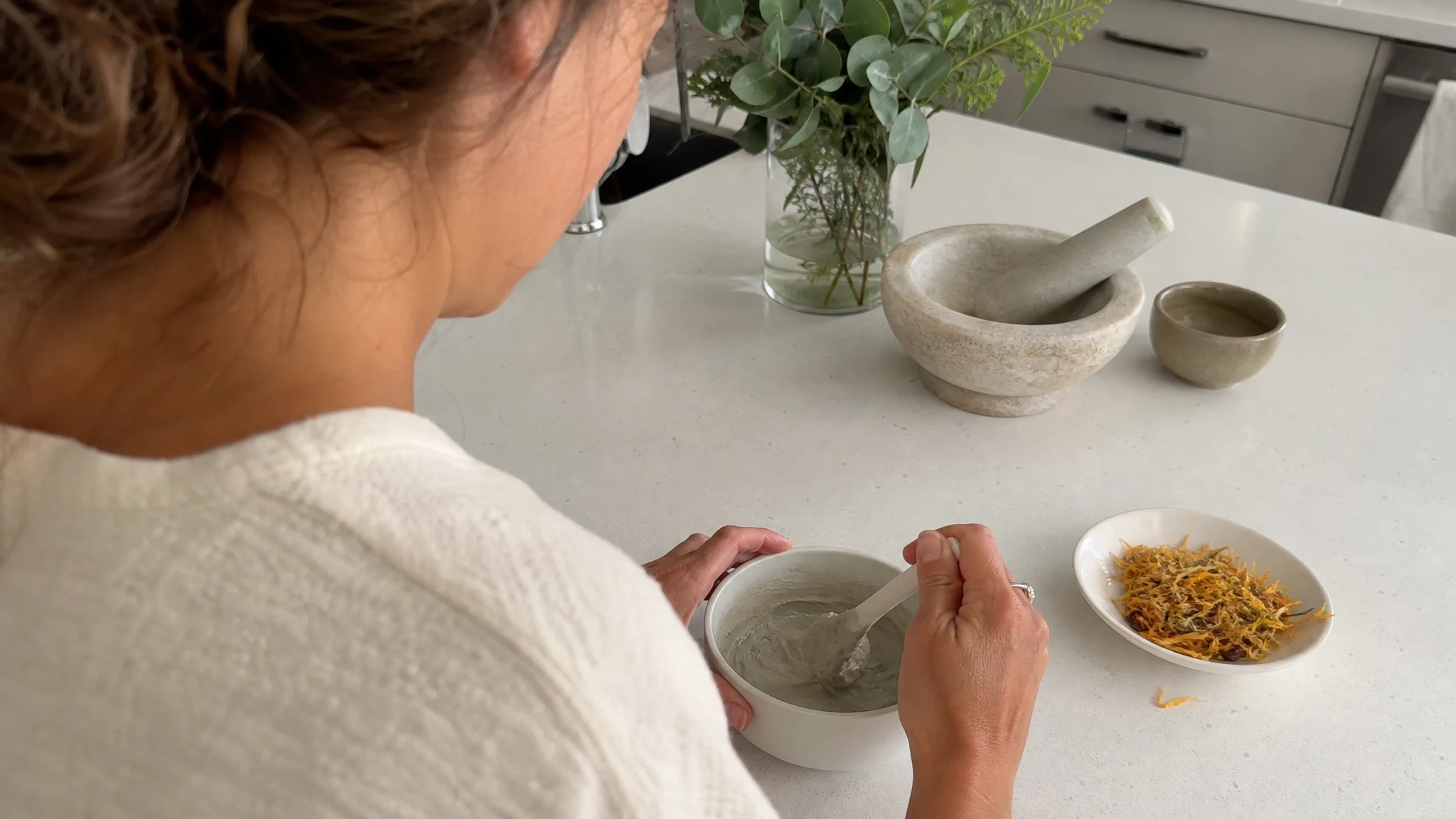
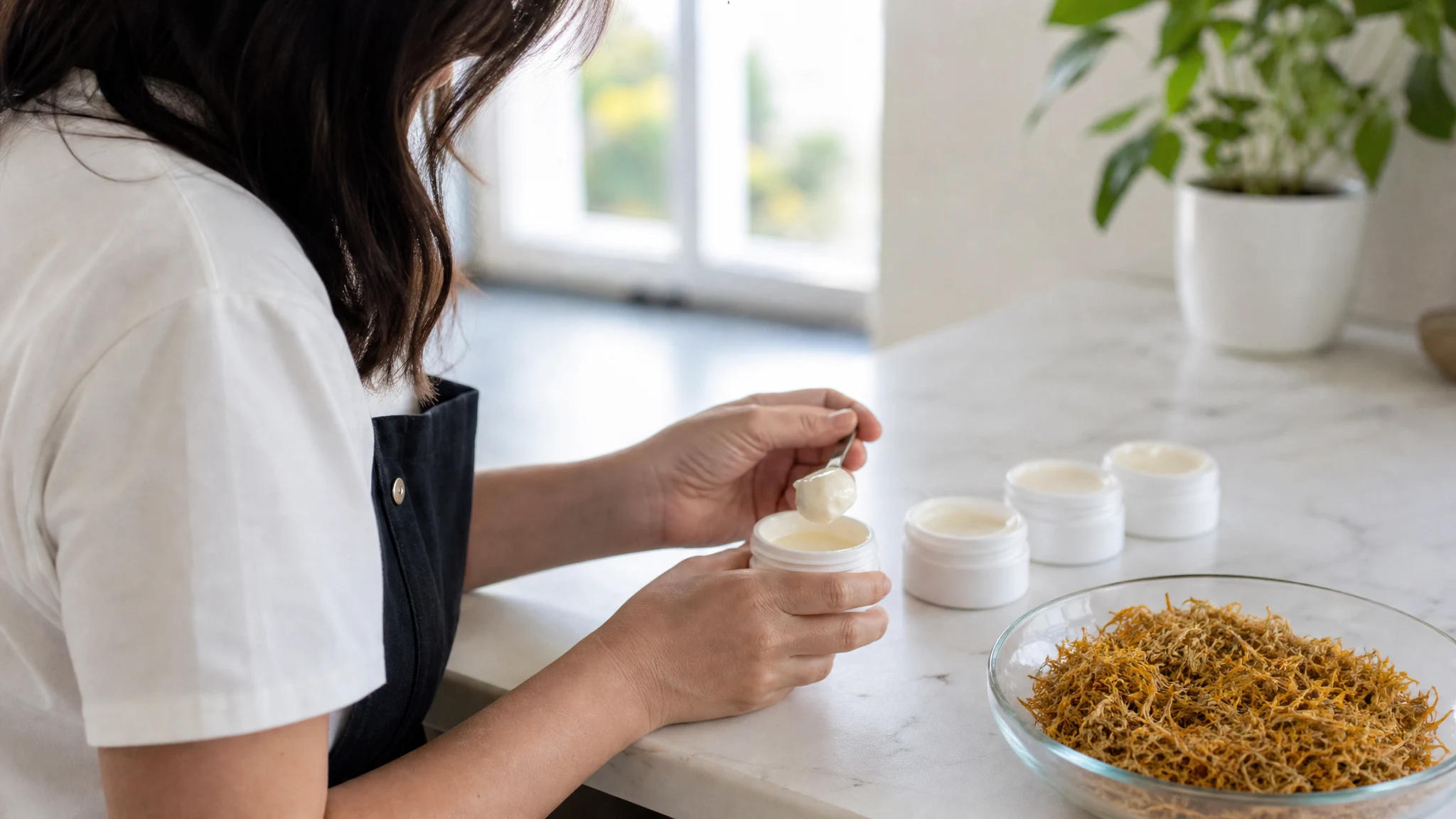
We understand the appeal of mixing your own. It feels thrifty, it feels natural, and a jar of something golden you stirred yourself has a certain pride to it. We feel the same pull toward making things by hand; it is how we think about our own oil. The difference is that some jobs rely on measurement that a home kitchen cannot give you. A scale can tell you grams, but it cannot tell you how well sunlight is blocked. Keep the homemade projects for the things where you can see and feel the result, like a salve or a body oil.
Viral homemade sunscreen recipes and tested SPF
This is not a hypothetical worry. Researchers at Nationwide Children's Hospital and the University of North Florida studied homemade sunscreen pins on Pinterest. They found that 95% of the pins presented homemade sunscreen as effective, while 68% recommended recipes that would give insufficient UV protection, and about a third quoted an SPF anywhere from 2 to 50. That was an analysis of the recipes, not lab testing of each one, but the pattern is clear: confident, shareable, and unverified.
For days outdoors, the American Academy of Dermatology recommends a broad-spectrum, water-resistant sunscreen of SPF 30 or higher, and FDA adds clothing, hats and shade to the picture. Zinc oxide is one of the active ingredients you will find in those finished products, so you can have it on your skin the proper way, from a label that states the SPF and the percentage of active ingredient.
Zinc oxide label: what to read before buying
If you are shopping for a finished zinc oxide product, take a minute to read the label before you buy. Look for the active ingredient and its percentage, a stated SPF, the words broad spectrum, and directions for reapplying. Notice how thick and white the product is; zinc oxide is a mineral, and it tends to sit on the surface rather than disappear. That visible layer is part of how it works, and it is one reason a smooth golden oil makes a different kind of companion for the end of the day.
Where does calendula oil fit with sunscreen?
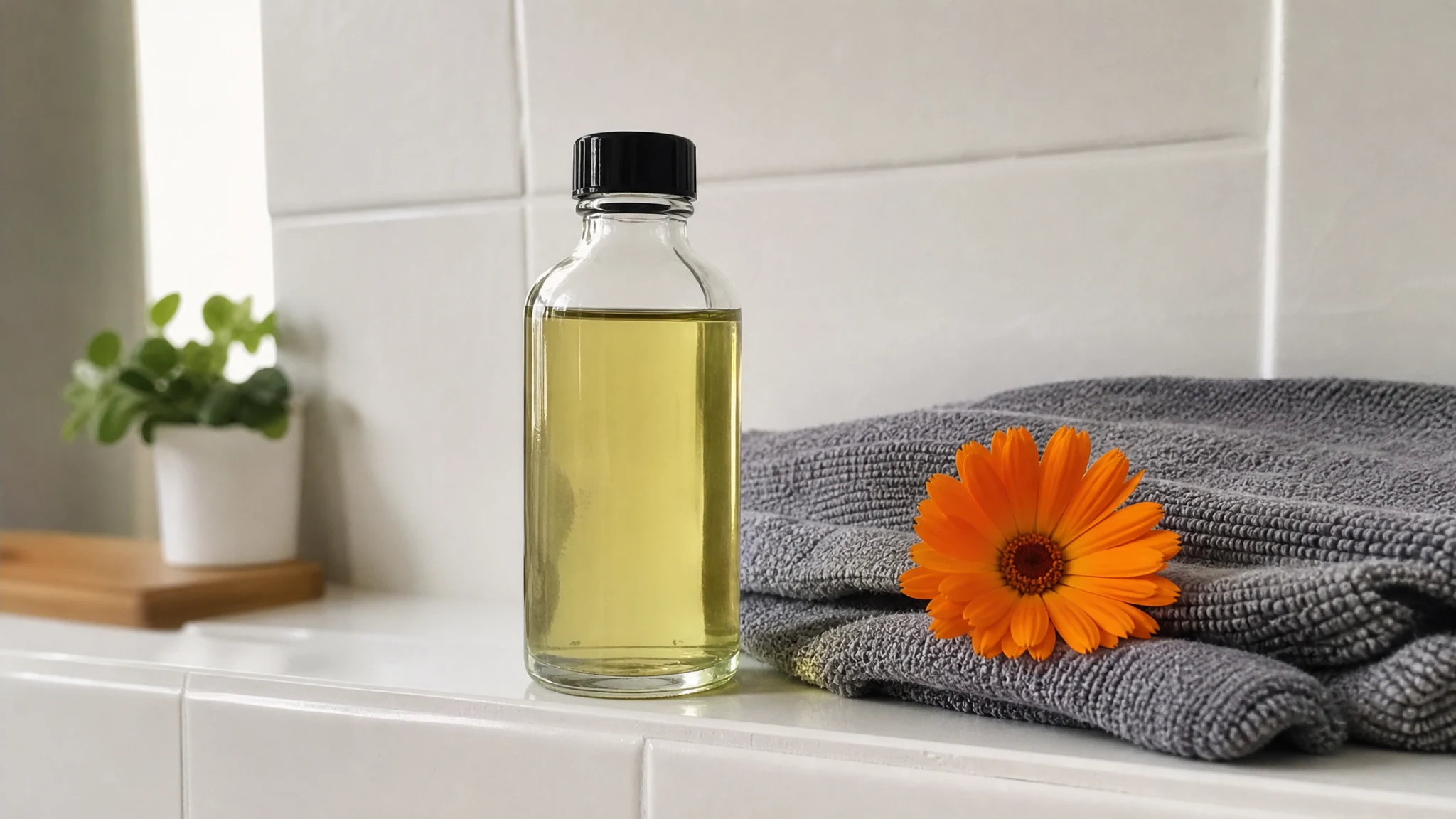
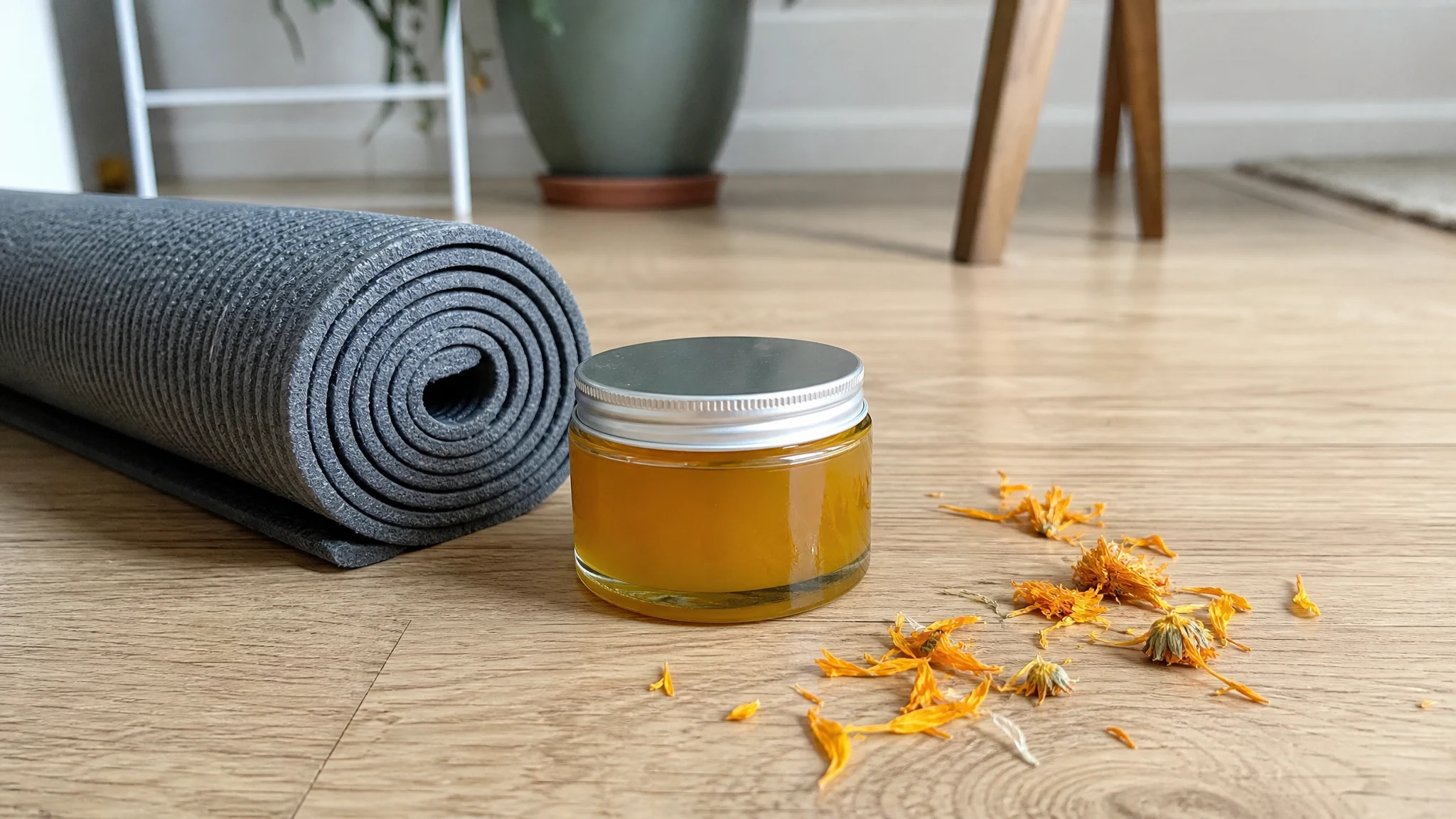
Here is the good news. Calendula oil has plenty to offer once the sun-protection job is handled by a product made for it. Our oil is a finished infused oil, made from organically grown Calendula officinalis flowers, dried naturally and infused in house, with nothing added. It makes a soft, golden oil for dry skin and for massage, and it is a pleasant end-of-day step after you have washed off the day.
A few ways to use it well:
- Evenings and after showers. A few drops on slightly damp skin leave it feeling soft and smooth.
- Dry patches. Elbows, knees and the backs of hands like a little extra oil.
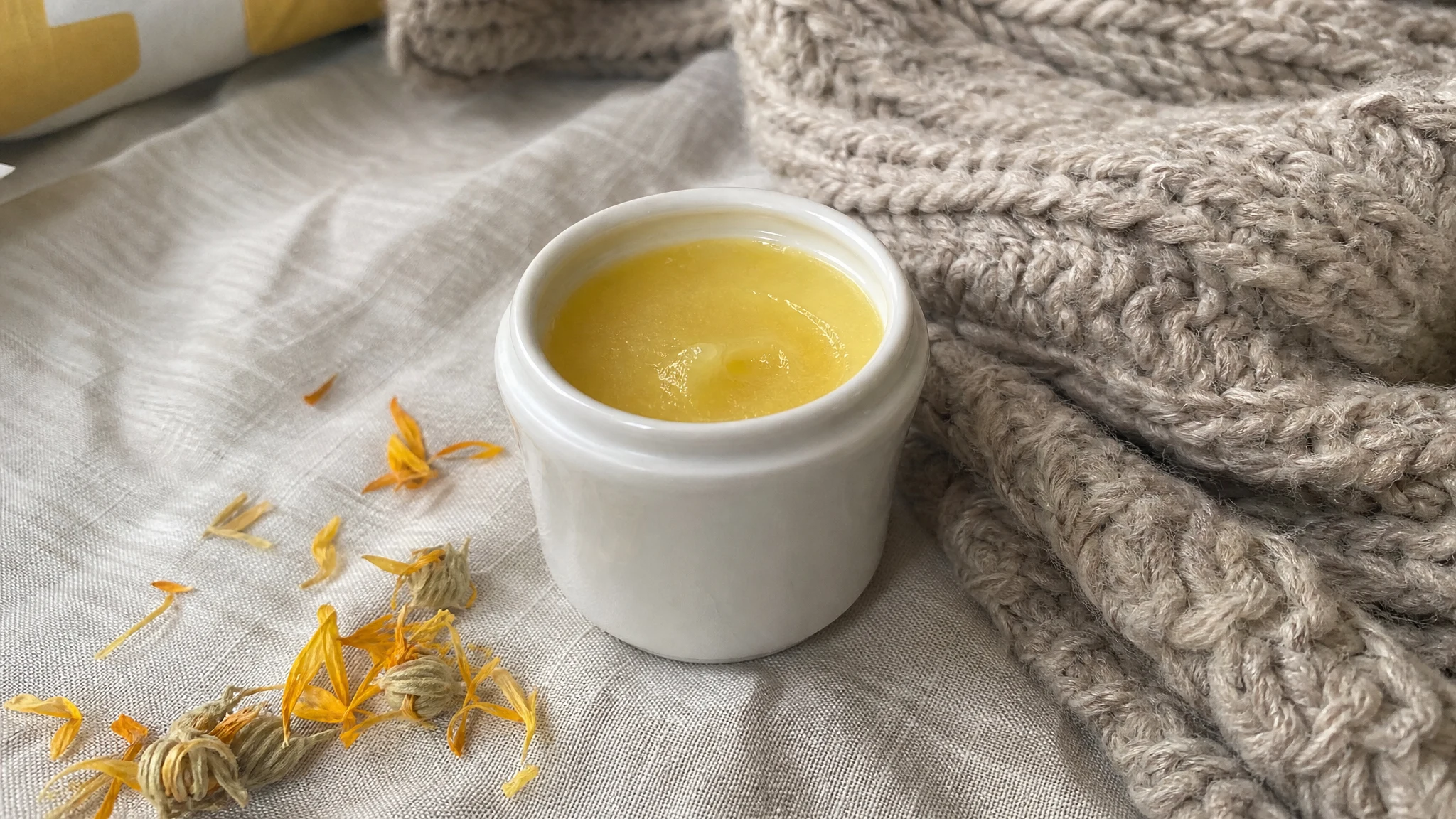
- Balms. If a zinc-and-oil product appeals to you for a baby or sensitive-skin routine, read the label on a finished one, since those are made with preservation and manufacturing controls a kitchen cannot match. Our diaper area guide goes into that category.
If you are curious about the figures you may have seen quoted for calendula and the sun, one 2019 laboratory study estimated an in vitro SPF of about 8 for calendula essential oil. That was a spectrophotometer reading on a distilled essential oil, not human skin and not an infused oil like ours, so we do not lean on it. Our sun and calendula explainer looks at it in more detail.
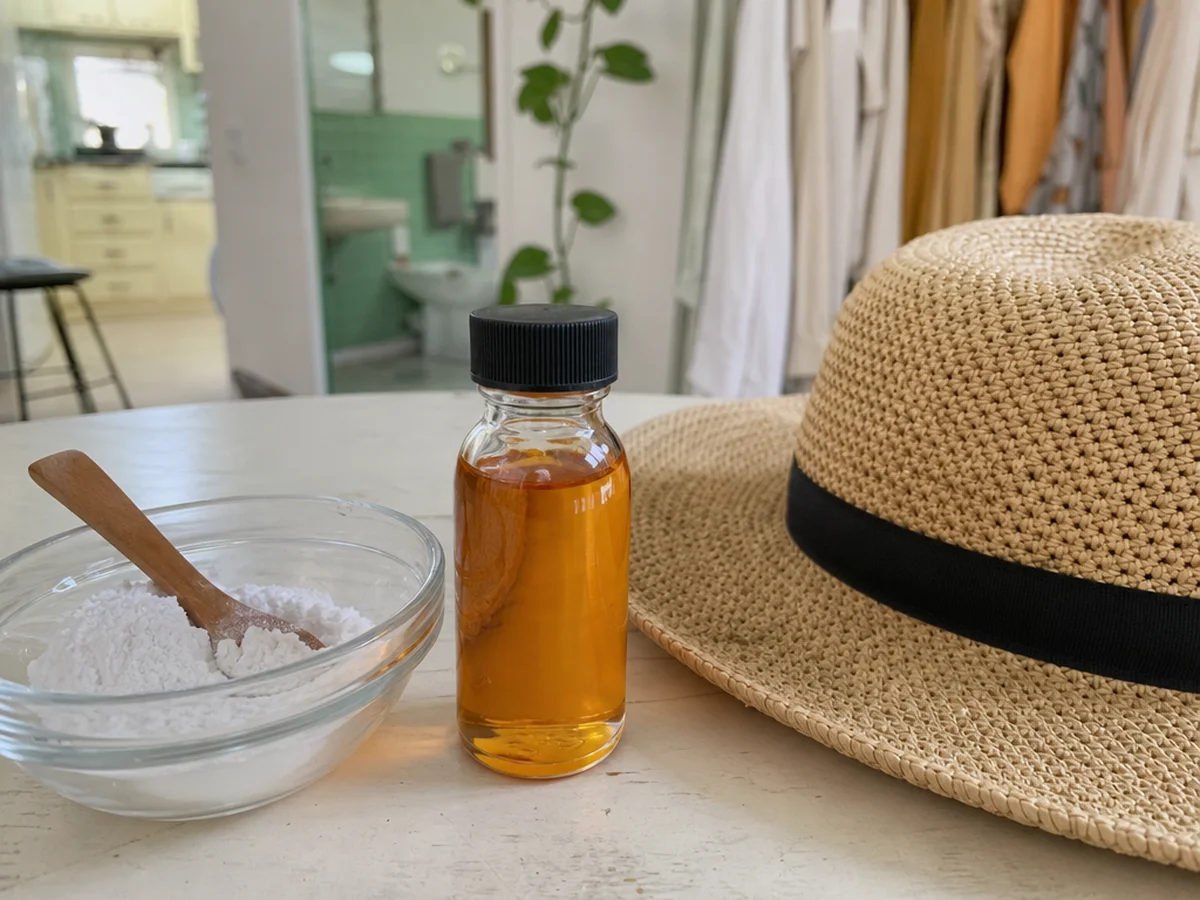
If you are gifting, a small bottle of calendula oil with a handwritten note about how to use it is a lovely present. Pair it with a proper sunscreen and a hat, and you have a thoughtful summer set that does not cut any corners.
Calendula oil sun-day plan with real sunscreen
Choose a commercially made, broad-spectrum sunscreen with a stated SPF, reapply as the label directs, and add shade and clothing. For babies under six months, FDA says sunscreen is not recommended and to ask a doctor, so shade and clothing do the work. Then, when the day is over, reach for the calendula oil. That division of labor is honest, and it keeps both products doing what they are good at. If you plan to use calendula for the first time, our patch test guide is a good first stop, since calendula is in the daisy family.
Calendula Oil
Nature's Golden Botanical, bottled: small-batch calendula oil in sizes from 0.5 oz to bulk.
From $13.99
Shop Calendula Oil →Sources & Further Reading
- Sunscreen: How to Help Protect Your Skin from the Sun, FDA
- Sunscreen FAQs, American Academy of Dermatology
- Pinterest Homemade Sunscreens: A Recipe for Sunburn, Nationwide Children's Hospital
- Cosmeceutical potential of geranium and calendula essential oil: Determination of antioxidant activity and in vitro sun protection factor, J Cosmet Dermatol, 2019