Calendula Hand Balm for Dry Hands: A 15-Minute Recipe
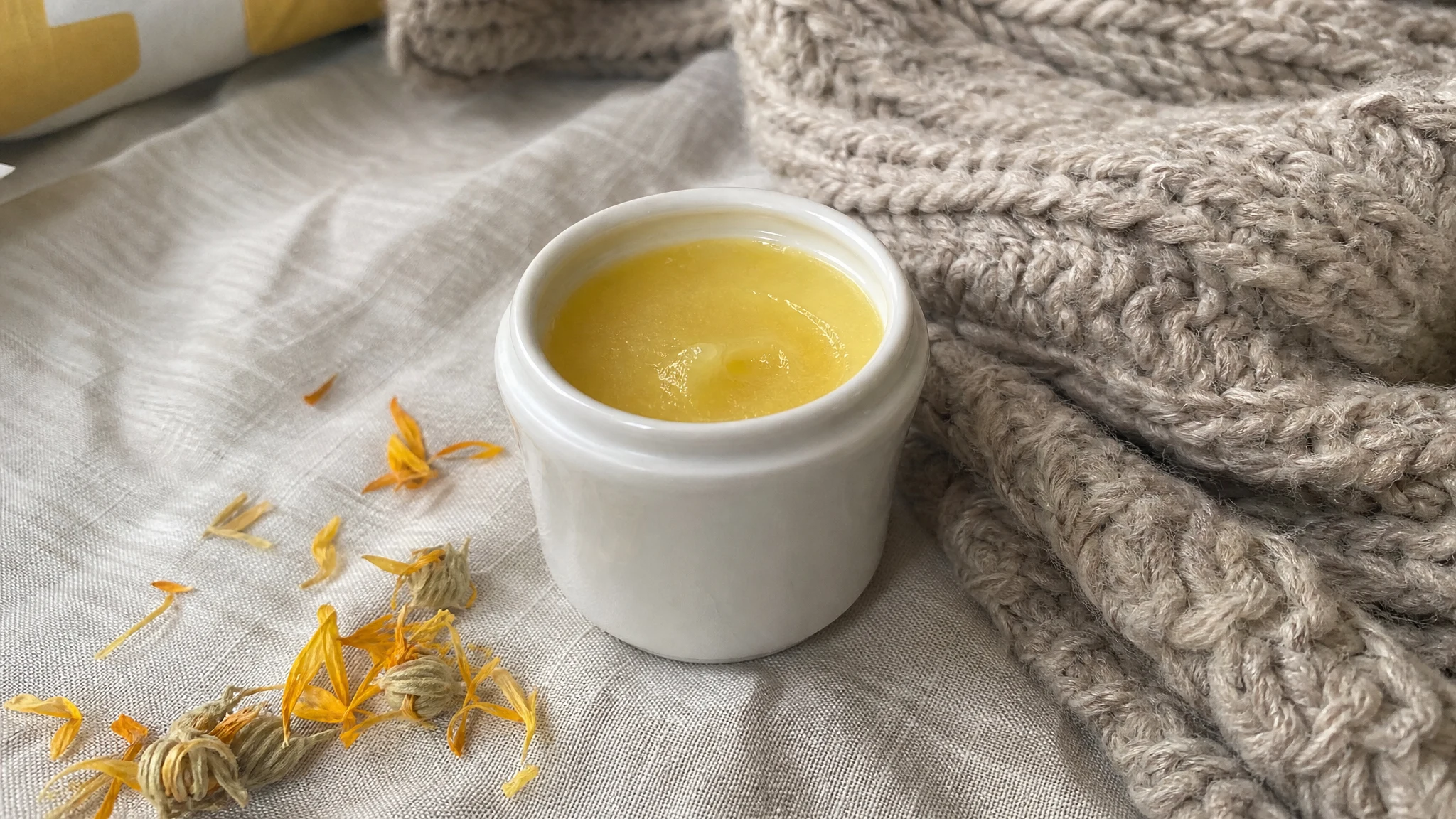
Dry hands are a winter classic, but they are also a year-round result of washing, sanitizing and working with our hands. A hand balm made with calendula oil is one of the most satisfying things you can put together at home: golden, soft and ready in about fifteen minutes. We lean toward a balm rather than a cream, and the reasons are as practical as they are chemical.
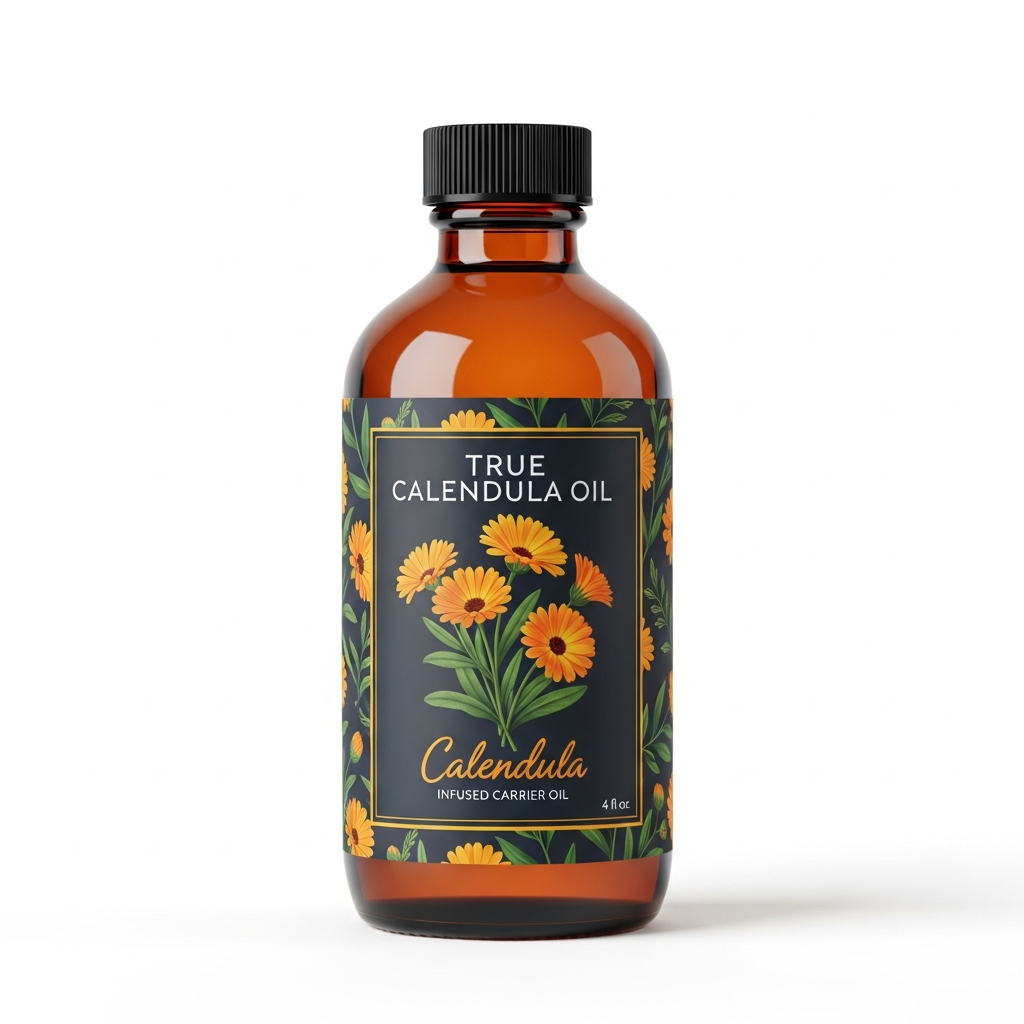
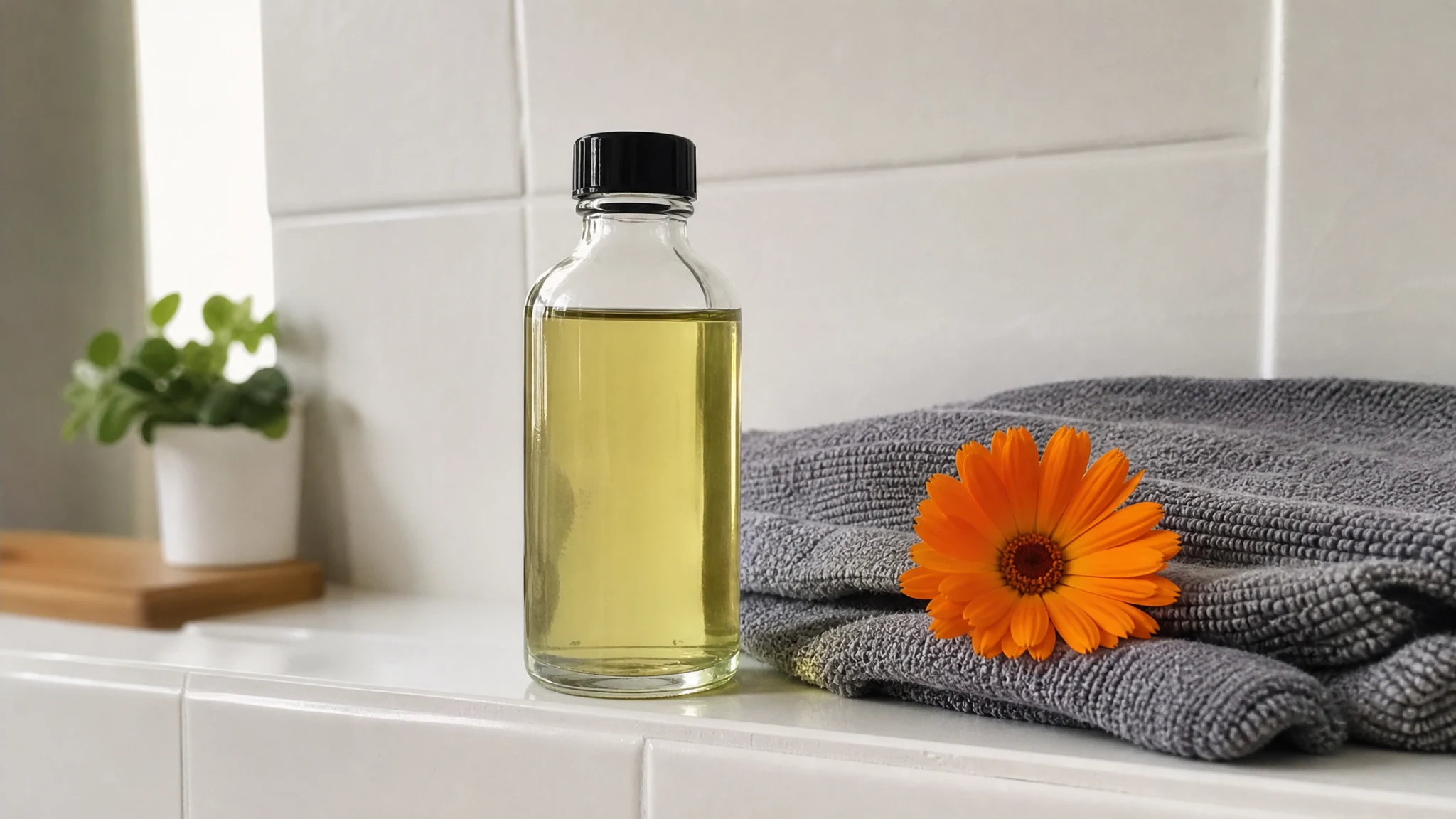
Calendula Oil
Our own small-batch calendula oil, in sizes from 0.5 oz to bulk.
From $13.99
Shop Calendula Oil →How can you tell hand eczema from dry skin?
The American Academy of Dermatology points out that hand eczema looks a lot like dry skin and can easily be mistaken for it, and that unlike dry skin you need more than a good moisturizer to get rid of it. Signs it describes include dry, chapped skin (often the first sign), deep painful cracks, and bleeding or weeping skin, along with itching, burning, blisters, crusts or pus. Treatment begins with finding the trigger, which might be frequent wet hands or a specific chemical or glove.
The simple rule: if your hands are very sore, are bleeding or weeping, blister, or do not improve with regular moisturizing, see a dermatologist before starting a craft project. A balm is lovely for ordinary dryness, but it is not a way of finding a cause.
Dermatologist criteria for a hand cream or ointment
The AAD's hand-care advice describes a fragrance-free, dye-free cream or ointment, ideally containing lipids such as ceramides, humectants such as glycerin or hyaluronic acid, and occlusives such as petrolatum. It favors tubes, moisturizing after every wash and again at night, and keeping on washing your hands even when they are dry.
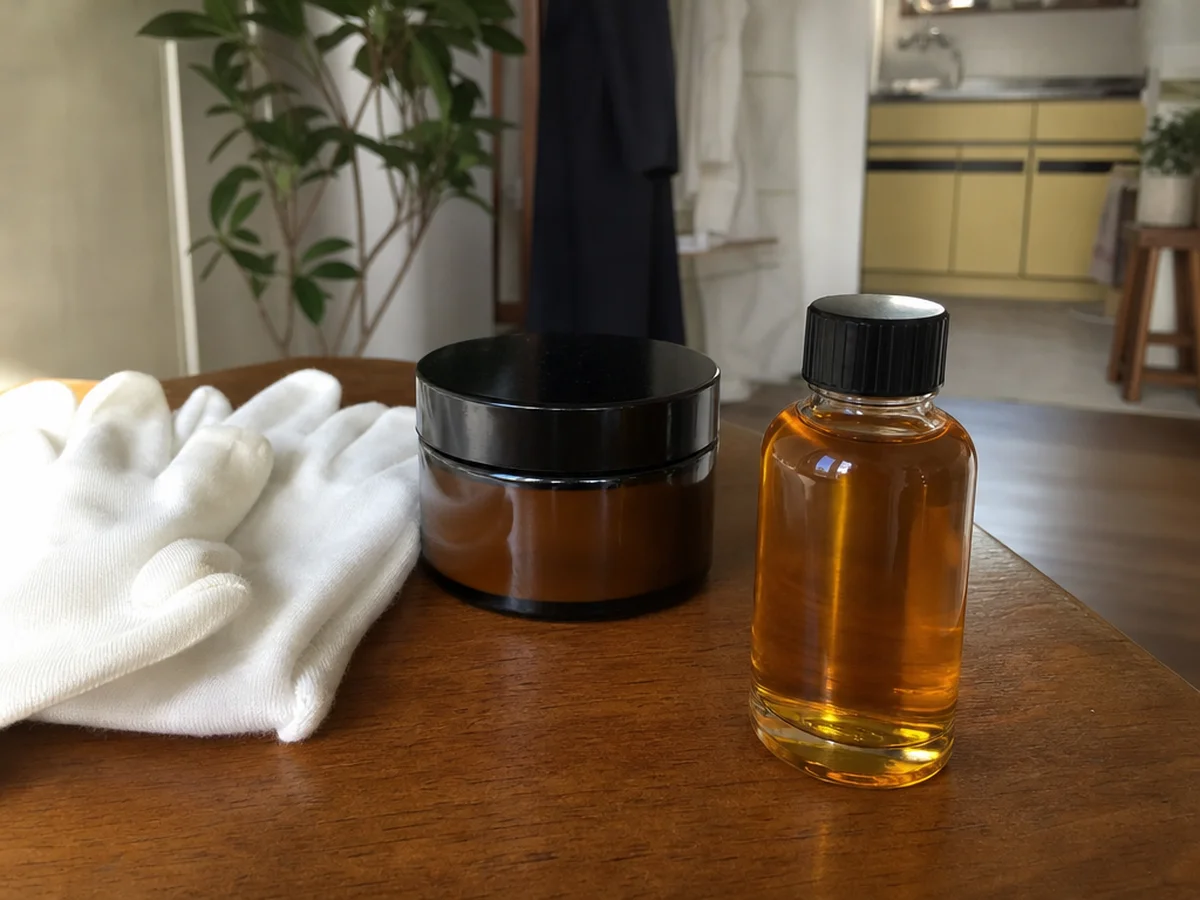
Read against a home recipe, that tells us a lot. Calendula oil is a lipid, and with wax it becomes the occlusive layer, a seal that holds in the moisture your skin already has. It is not a humectant, so it will not draw water in on its own. The fragrance-free point is easy: leave essential oils out. FDA notes that components of fragrance formulas may cause allergic reactions in some people, and cracked skin is a place where you would rather not find that out.
Why choose a calendula balm over a water-based cream?
A cream is oil and water blended into an emulsion; a balm is oil and wax. That difference matters more than texture. A review of cosmetics preservation states that cosmetics containing water require preservation against microbial contamination, and FDA lists contaminated water and ineffective preservation among the ways products become harmful. Our oil itself carries no preservative, no added tocopherol and no stabilizer, which suits an oil perfectly well but is not a preservative system for a water-based cream. A balm contains no water, so it avoids the issue entirely. If you want a cream, finished ones made by manufacturers with preservation systems are available at any pharmacy.
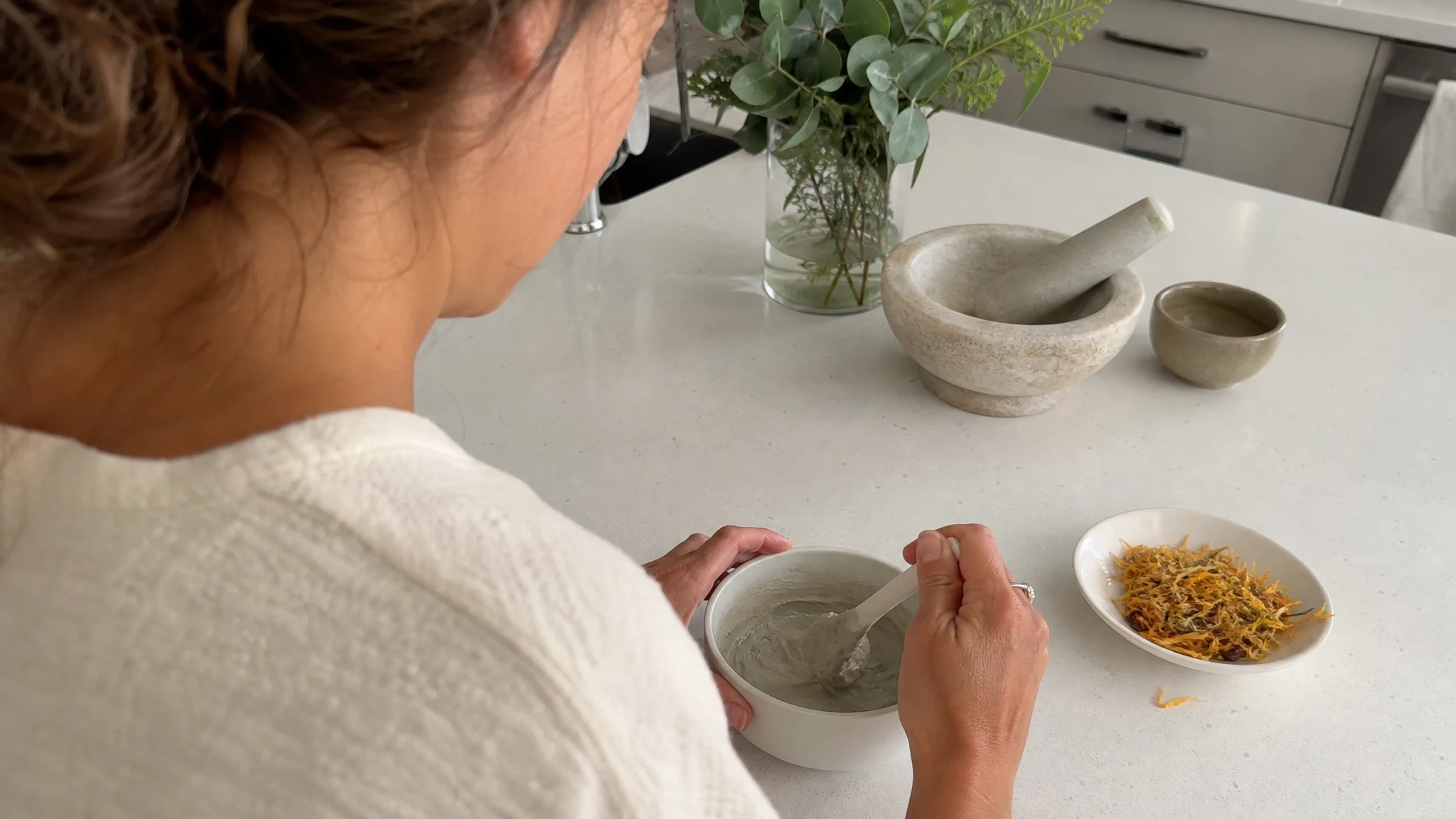
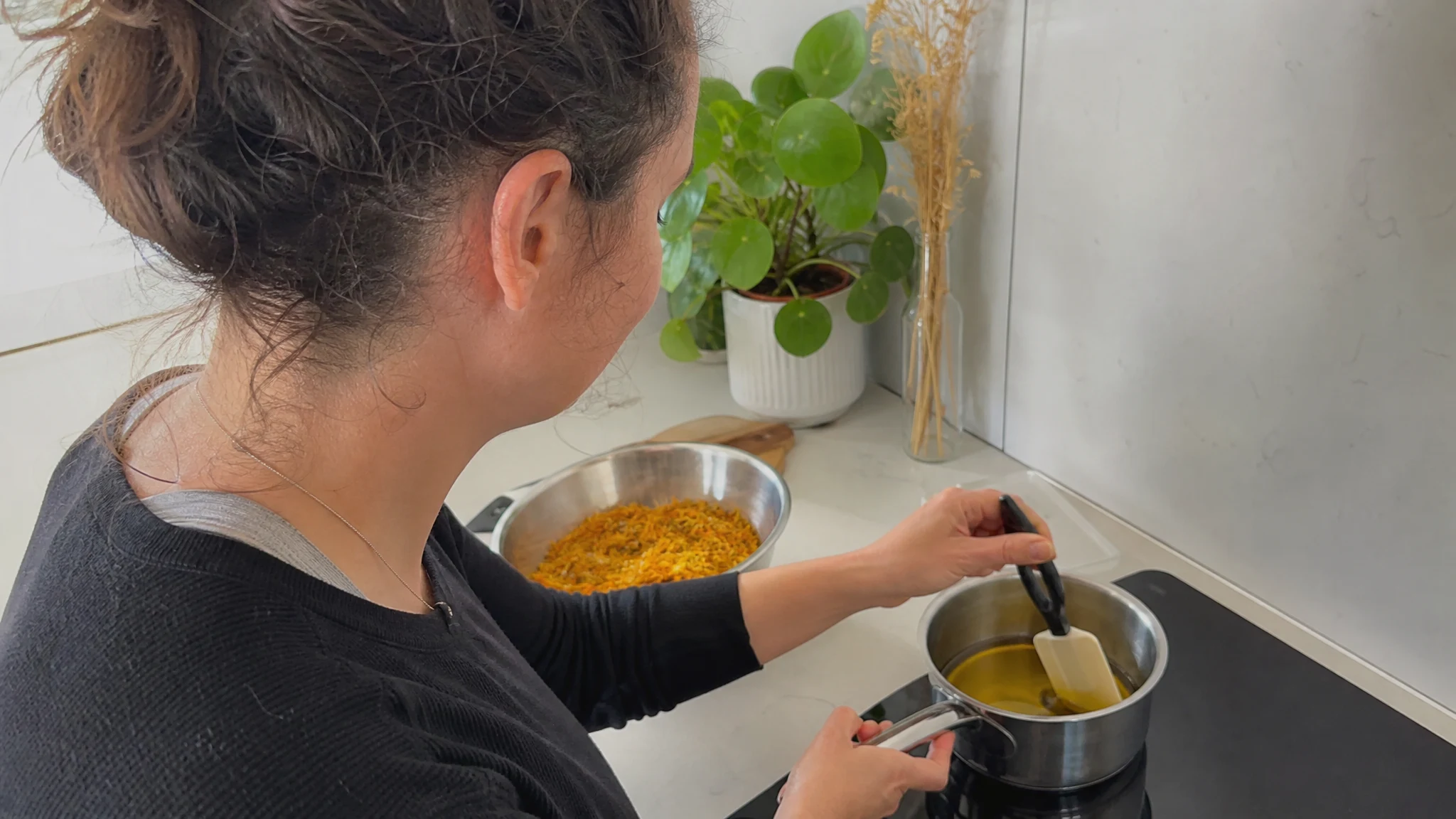
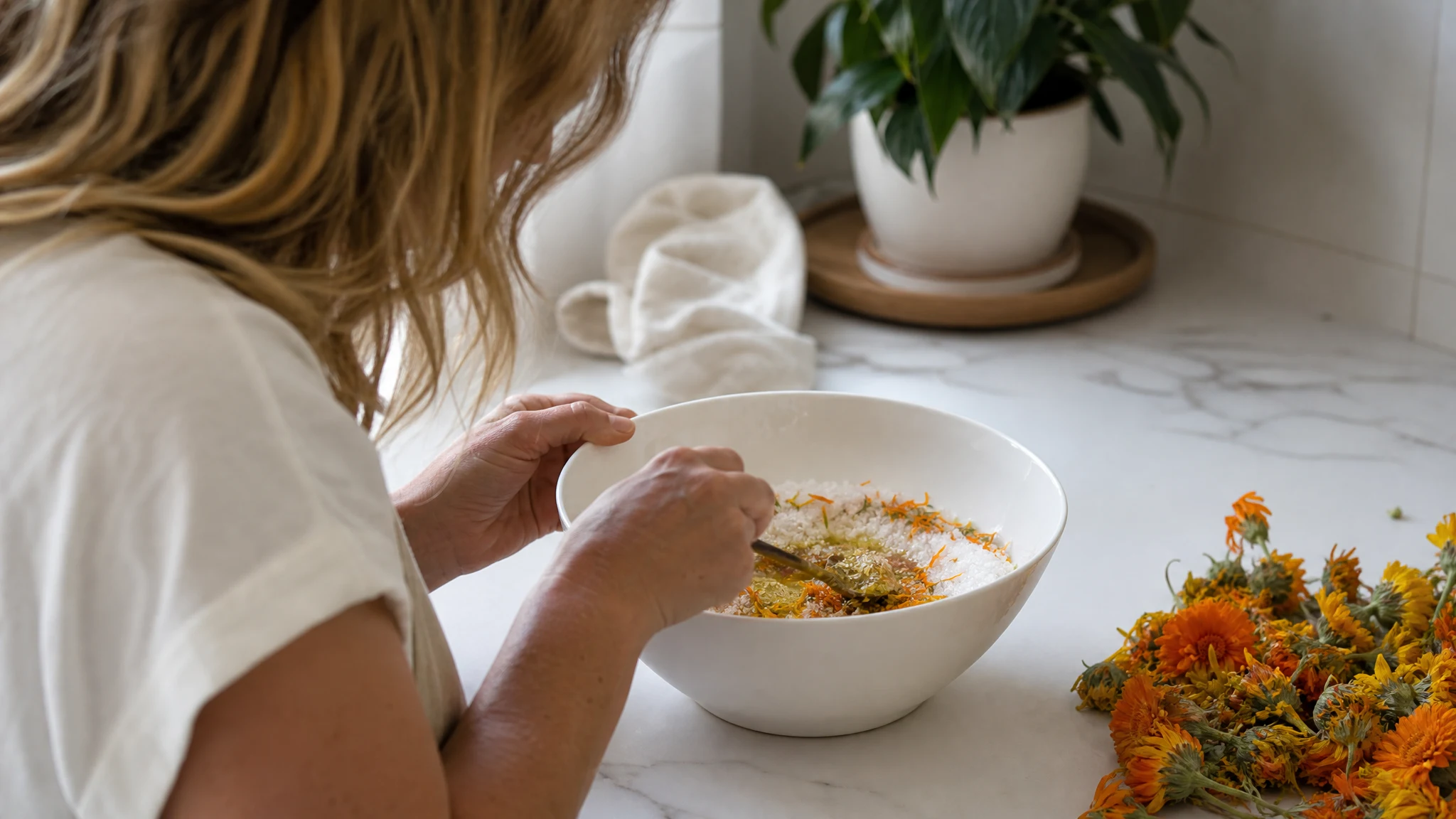
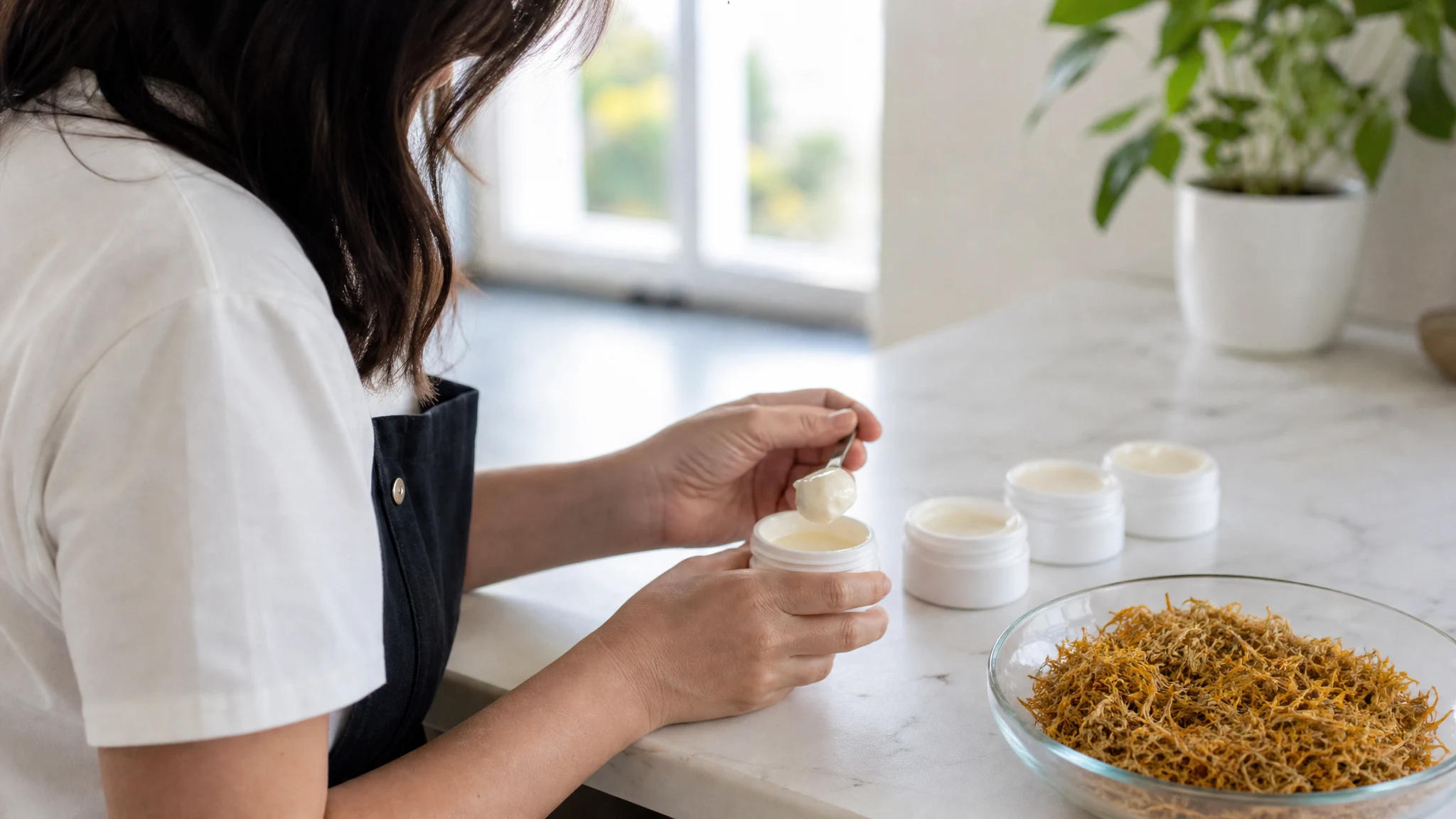
If you like to cook, this will feel familiar. Everything is melted, stirred and poured, and the whole kitchen smells faintly of warm beeswax, which has a soft honey note of its own. Put a towel on the counter, line up your tins and have a wooden skewer or spoon ready to scrape the last gold from the pan. Wipe up spills while the wax is still warm, because it sets quickly and cleaning cold wax is a chore.
Calendula hand balm recipe: beeswax to infused oil ratio
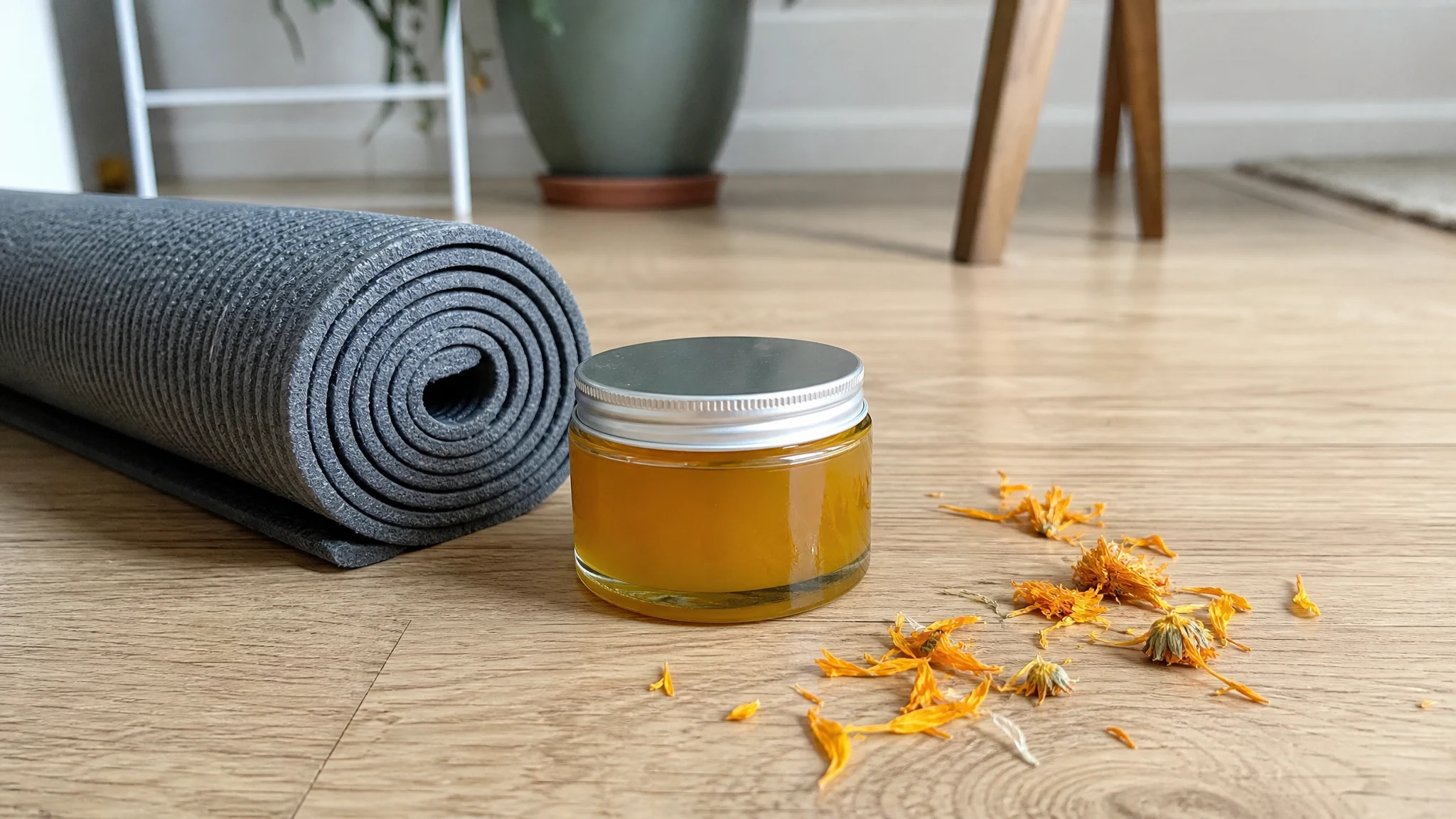
Mountain Rose Herbs publishes a classic salve ratio of 1 ounce of beeswax to 4 ounces of infused oil, softer with less wax and firmer with more. Melt the beeswax in a double boiler over low heat, stir in the oil, and pour into tins. Their recipe mixes weight (wax) with volume (oil), so treat the 1:4 as a starting point and adjust it. For hands, you want a balm that spreads without feeling tacky, so a small test tin is worth the few minutes.
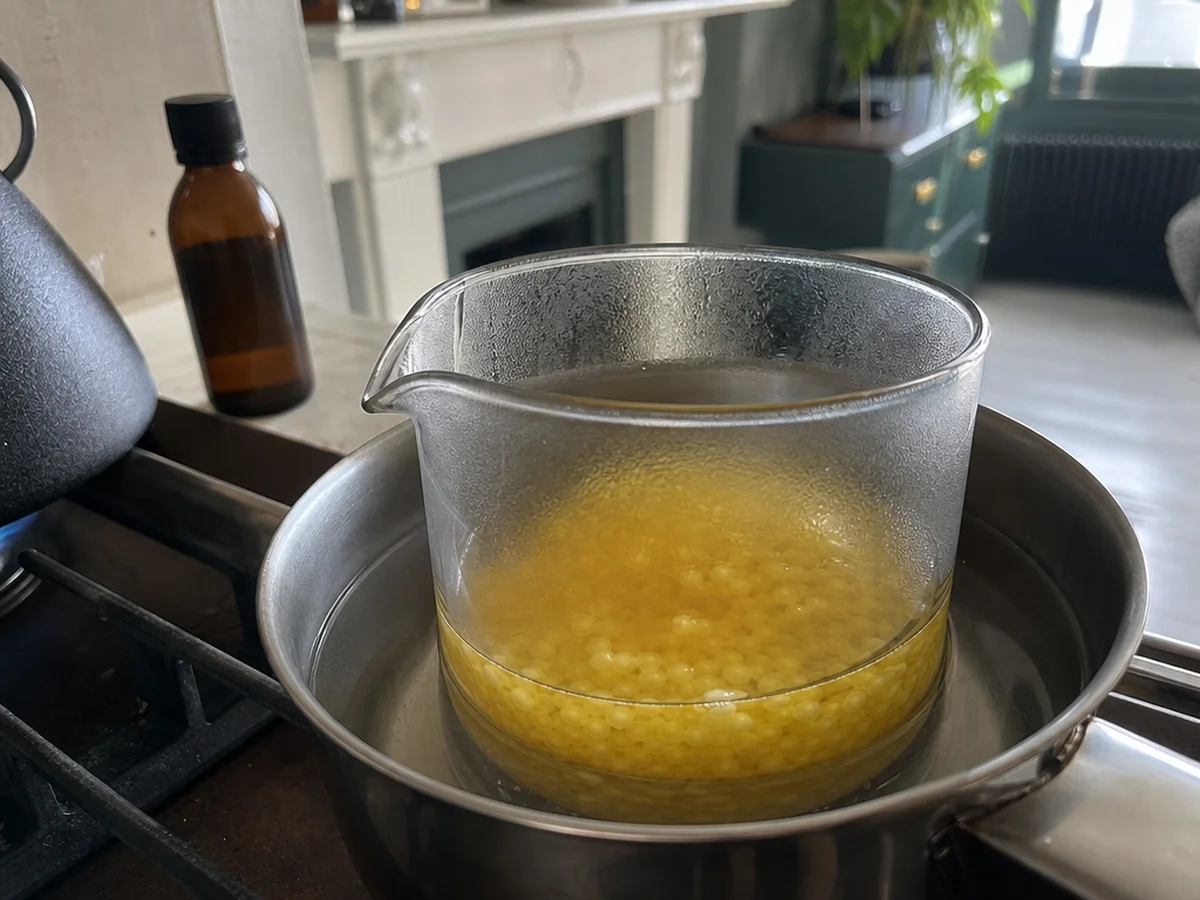
- Use our calendula oil as the oil. It is already a finished infused oil, so there is no infusing step. Beeswax is a craft or health-store item.
- Skip the optional essential oil in the original recipe.
- Keep water out of the pan and the tin, and use a clean, dry jar.
- Label it with the date, and make a batch you can finish in a few months, since the balm has no added antioxidant.
Our bulk guide suggests a 4 oz or 8 oz bottle for testing a formulation, which is a good size if you plan to make a few batches; the buying guide explains what to look for in any calendula oil.
Some tips on the finished tin. Test the texture on the back of your hand the next morning: it should glide on and then settle, without feeling slippery for long. If it is tacky, you used a bit too much wax, and the next batch can have a touch more oil. If it is soft and runny, melt it again with a little more wax. Small adjustments are part of the fun, and a notebook with each batch's weights makes the second try much easier.
Applying calendula balm to hands and cuticles
Work a pea-sized amount into dry spots after washing, again at night, and on the cuticles. If you are new to calendula, patch test first; it belongs to the daisy family, and our patch test guide shows how. Our cuticle care page has more on nails.
A tin of golden balm by the sink is an everyday luxury. It is simple to make, easy to refill and honest about what it is: a seal for skin that is doing its best.
Calendula Oil
Nature's Golden Botanical, bottled: small-batch calendula oil in sizes from 0.5 oz to bulk.
From $13.99
Shop Calendula Oil →Sources & Further Reading
- Dry, scaly, and painful hands could be hand eczema, American Academy of Dermatology
- 4 skin care tips for your hands, American Academy of Dermatology
- Fragrances in Cosmetics, FDA
- Cosmetics Preservation: A Review on Present Strategies, Molecules, 2018
- Microbiological Safety and Cosmetics, FDA
- How to Make Herbal Salves, Mountain Rose Herbs