Calendula Oil for Lip Care: The Complete Guide to Natural Lip Soothing & DIY Lip Balm Recipes
Our lips are among the most delicate skin on our bodies, constantly exposed to environmental stressors while lacking the natural oil glands that keep other areas moisturized. When seeking gentle, natural solutions for lip care, many people are discovering the time-honored benefits of calendula oil. This golden treasure from marigold flowers has been traditionally used in skincare for centuries, and its gentle properties make it particularly well-suited for sensitive lip care.
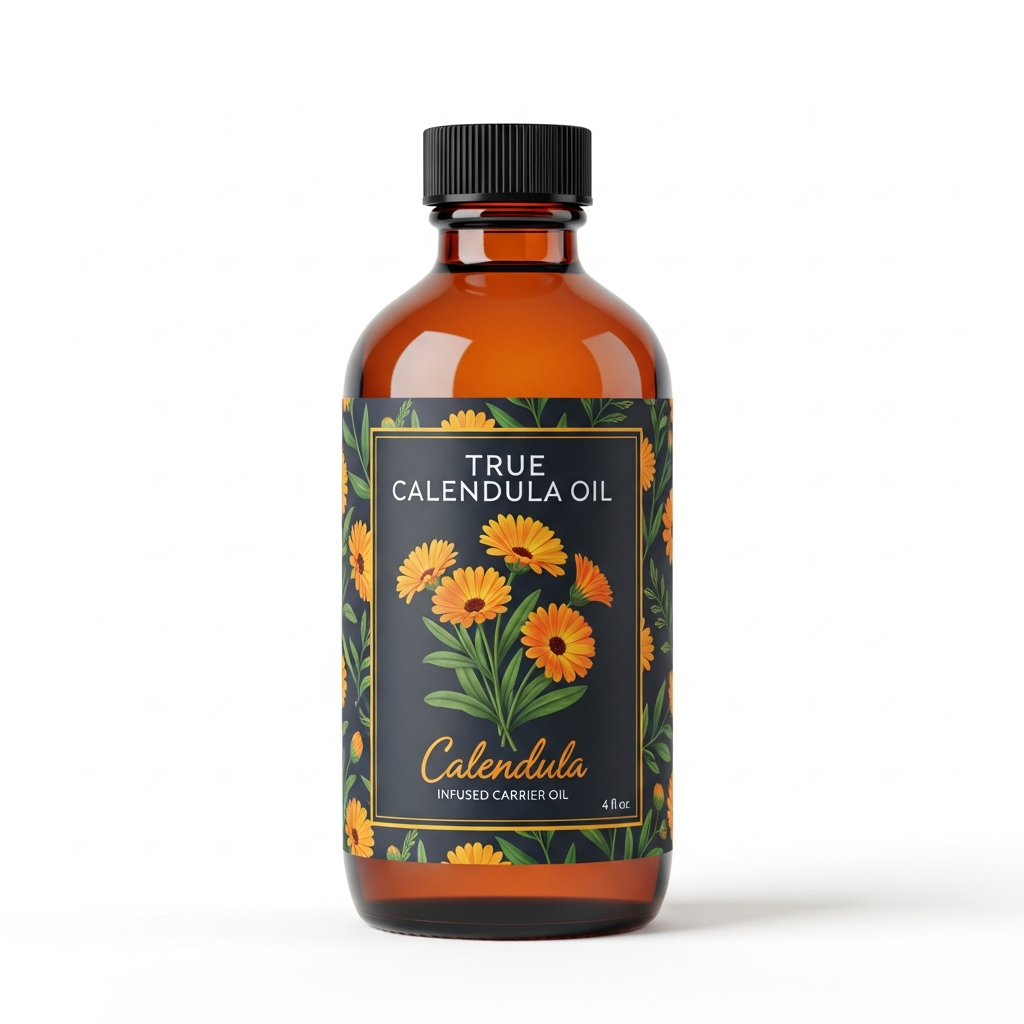 Calendula Oil
Our own small-batch calendula oil, in sizes from 0.5 oz to bulk. From $11.99.
Shop Calendula Oil →
Calendula Oil
Our own small-batch calendula oil, in sizes from 0.5 oz to bulk. From $11.99.
Shop Calendula Oil →
Key Takeaways
- Calendula oil may help support the natural soothing process of chapped, dry lips
- Its gentle nature makes it suitable for sensitive skin and frequent application
- DIY calendula lip balms offer customizable, natural alternatives to commercial products
- Proper preparation and storage ensure safe, effective lip care products
- Always patch test and consult healthcare providers for persistent lip issues
Table of Contents
- Understanding Calendula Oil: Nature's Gentle Lip Healer
- Why Calendula Oil Works Well for Lip Care
- Choosing the Right Calendula Oil for Lip Care
- Basic Calendula Oil Application for Lips
- DIY Calendula Lip Balm Recipes
- Advanced Lip Care Formulations
- Safety Guidelines and Storage Tips
- Troubleshooting Common Lip Care Issues
Understanding Calendula Oil: Nature's Gentle Lip Healer
Calendula oil, derived from the vibrant petals of Calendula officinalis (pot marigold), has earned its reputation as one of nature's most gentle and versatile botanical oils. Unlike essential oils, calendula oil is typically an infused oil, created by steeping fresh or dried calendula petals in a carrier oil such as olive, sunflower, or jojoba oil.
The Botanical Profile
The calendula plant produces bright orange and yellow flowers that bloom continuously throughout the growing season. These hardy flowers contain various naturally occurring compounds that have made them valuable in traditional skincare practices for generations. When the petals are carefully infused into carrier oils, they impart their gentle properties to create what we know as calendula oil.
Traditional Uses in Lip Care
Historically, calendula preparations have been used across many cultures for supporting skin comfort. Traditional herbalists often recommended calendula for areas of delicate skin, making it a natural choice for lip care applications. Some research suggests that calendula may help support the skin's natural barrier function, which is particularly important for lips that face constant environmental exposure.
What Makes Calendula Special for Lips
The gentle nature of calendula oil sets it apart from more potent botanical extracts. Its traditionally mild properties make it suitable for the sensitive skin of the lips, while its emollient qualities from the carrier oil base provide moisturizing benefits that lips desperately need.
Why Calendula Oil Works Well for Lip Care

Understanding why calendula oil has become such a popular choice for lip care requires examining both the unique challenges our lips face and the specific properties that make calendula well-suited to address these needs.
The Unique Challenges of Lip Skin
Lip skin differs significantly from the skin elsewhere on our bodies:
- Thinner structure: Lip skin is only 3-4 layers thick compared to 16 layers on most of our body
- No sebaceous glands: Lips don't produce their own natural oils for protection
- Constant exposure: Lips face sun, wind, cold, and frequent contact with food and beverages
- High turnover rate: Lip skin renews itself more quickly, requiring consistent care
How Calendula Oil May Support Lip Health
Anecdotal evidence and traditional use suggest several ways calendula oil may benefit lip care:
Moisturizing Properties
The carrier oils used in calendula preparations provide essential fatty acids that may help support the lip's natural barrier function. This could potentially help lips retain moisture more effectively.
Gentle Nature
Unlike some botanical extracts that might be too strong for sensitive lip skin, calendula oil is traditionally known for its mild nature. People with sensitive skin often report good tolerance to calendula-based products.
Versatility in Formulations
Calendula oil blends well with other lip-beneficial ingredients like beeswax, shea butter, and coconut oil, making it an excellent base for DIY calendula recipes specifically designed for lip care.
Scientific Perspective
While research specifically on calendula oil for lip care is limited, some studies on calendula extract suggest it may have properties that could theoretically benefit skin comfort. However, it's important to note that most research has been conducted on standardized extracts rather than infused oils, and results cannot be directly applied to lip care applications.
Choosing the Right Calendula Oil for Lip Care
Not all calendula oils are created equal, and selecting the right one for lip care requires understanding key quality factors and considerations specific to this sensitive application.
Quality Indicators
Carrier Oil Selection
The carrier oil used in calendula oil production significantly impacts its suitability for lip care:
| Carrier Oil | Benefits for Lips | Considerations |
|---|---|---|
| Jojoba Oil | Lightweight, long-lasting, closely mimics skin's natural oils | More expensive, excellent for daily use |
| Olive Oil | Rich in antioxidants, traditional choice, deeply moisturizing | Heavier texture, may have stronger taste |
| Sunflower Oil | Light texture, neutral taste, vitamin E content | Shorter shelf life, good for sensitive skin |
| Sweet Almond Oil | Gentle, pleasant texture, suitable for sensitive skin | Nut allergy concerns for some individuals |
Production Method
Look for calendula oils that specify their production method:
- Solar infusion: Petals steeped in carrier oil using solar heat over several weeks
- Heat infusion: Controlled low-heat extraction process
- CO2 extraction: More concentrated but typically more expensive
Sourcing and Certification
For lip care applications, consider these factors:
Organic Certification
Certified organic calendula oils ensure the flowers were grown without synthetic pesticides or chemicals, which is particularly important for products applied to the sensitive lip area.
Third-Party Testing
Reputable suppliers often provide certificates of analysis showing the oil has been tested for purity and contaminants.
Freshness
Fresh calendula oil should have a golden to amber color and a mild, pleasant scent. Avoid oils that smell rancid or have unusual colors, as this may indicate oxidation.
Basic Calendula Oil Application for Lips

Before diving into complex formulations, it's valuable to understand how to use pure calendula oil effectively for basic lip care. This foundation knowledge will inform more advanced applications and help you assess how your skin responds to calendula.
Patch Testing Protocol
Important: Always perform a patch test before using any new topical product, even gentle ones like calendula oil.
- Apply a small amount of calendula oil to the inside of your wrist or behind your ear
- Wait 24-48 hours to observe any reactions
- Look for signs of irritation, redness, or discomfort
- If no adverse reactions occur, proceed with lip application
Application Techniques
Direct Application
For basic lip care, pure calendula oil can be applied directly:
- Start with clean hands and lips
- Apply 1-2 drops of calendula oil to your fingertip
- Gently pat the oil onto lips, avoiding rubbing motions
- Allow the oil to absorb for a few minutes
- Reapply as needed throughout the day
Layering Technique
For particularly dry or chapped lips, consider a layering approach:
- Apply calendula oil as a base layer
- Wait 2-3 minutes for partial absorption
- Apply a protective layer like beeswax or lip balm over the oil
Timing and Frequency
The frequency of application will depend on individual needs and environmental factors:
- Preventive care: 2-3 times daily
- Dry conditions: Every 2-3 hours
- Overnight approach: Apply a thicker layer before bedtime
- Environmental exposure: Apply before going outdoors
What to Expect
When using calendula oil for lip care, people typically report:
- A mild, pleasant herbal scent
- Smooth application without greasiness (depending on carrier oil)
- Gradual improvement in lip texture over several days of consistent use
- Good tolerance, even with frequent application
"Remember that calendula oil is not a quick fix but rather a gentle, supportive addition to your lip care routine. Consistent use over time tends to yield the best results."
DIY Calendula Lip Balm Recipes
Creating your own calendula lip balms allows for complete control over ingredients while tailoring the formulation to your specific needs. (See: NIH — Calendula Research.) These recipes range from simple two-ingredient balms to more complex therapeutic formulations.
Essential Equipment and Ingredients
Basic Equipment Needed
- Double boiler or heat-safe glass measuring cup
- Small whisk or stirring stick
- Lip balm tubes or small tins
- Dropper or small spoon for transferring
- Labels for dating and identification
Key Ingredients Overview
Understanding the role of each ingredient helps in customizing recipes:
| Ingredient | Function | Typical Percentage |
|---|---|---|
| Calendula Oil | Active ingredient, moisturizing base | 30-70% |
| Beeswax | Provides structure and protection | 15-25% |
| Coconut Oil | Adds antimicrobial properties and smooth texture | 10-30% |
| Shea Butter | Rich moisturizer, adds creaminess | 10-20% |
Recipe 1: Simple Calendula Lip Balm
Perfect for beginners, this two-ingredient balm focuses on calendula's natural benefits.
Ingredients:
- 2 tablespoons calendula oil (jojoba or olive oil base)
- 1 tablespoon beeswax pastilles
Instructions:
- Create a double boiler by placing a heat-safe glass bowl over a pot of simmering water
- Add beeswax to the bowl and allow to melt completely
- Stir in calendula oil until well combined
- Test consistency by placing a drop on a cool spoon - it should solidify within 30 seconds
- Adjust texture: add more beeswax for firmer balm, more oil for softer consistency
- Pour into lip balm tubes or small tins while still warm
- Allow to cool completely before capping (about 30 minutes)
Yield: Approximately 6-8 standard lip balm tubes
Shelf life: 6-12 months when stored properly
Best for: Daily lip maintenance and protection
Recipe 2: Nourishing Calendula Shea Butter Lip Balm
This recipe adds shea butter for extra nourishment, making it ideal for very dry or damaged lips.
Ingredients:
- 3 tablespoons calendula oil (sweet almond oil base recommended)
- 2 tablespoons raw shea butter
- 1 tablespoon beeswax
- 1 teaspoon coconut oil
Instructions:
- Melt beeswax in double boiler setup
- Add shea butter and stir until melted
- Incorporate calendula oil and coconut oil
- Remove from heat and whisk gently to ensure smooth texture
- Test consistency and adjust as needed
- Pour into containers and allow to set
Yield: Approximately 10-12 lip balm tubes
Shelf life: 8-12 months
Best for: Intensive repair and overnight approach
Recipe 3: Calendula Honey Lip Balm
Incorporating raw honey adds natural humectant properties to draw moisture to the lips.
Ingredients:
- 2 tablespoons calendula oil
- 1 tablespoon beeswax
- 1 teaspoon raw honey
- 1 teaspoon vitamin E oil (optional, for preservation)
Special Instructions:
- Melt beeswax as in previous recipes
- Add calendula oil and heat until just warm
- Remove from heat and allow to cool slightly (about 2 minutes)
- Whisk in honey until fully incorporated - mixture may appear cloudy initially
- Add vitamin E oil if using
- Pour quickly into containers as honey can cause faster setting
Note: This balm may have a slightly different texture due to honey content and should be stored in cool conditions.
Customization Tips
Texture Adjustments
- For softer balm: Increase oil ratio or add a small amount of liquid coconut oil
- For firmer balm: Add extra beeswax in small increments
- For creamier texture: Incorporate more shea butter or cocoa butter
Natural Tinting Options
For those who want subtle color, consider these natural options:
- Beetroot powder (pink/red tint)
- Cocoa powder (brown tint)
- Turmeric (very light yellow - use sparingly)
- Alkanet root powder (red/purple tint)
Important: When adding colorants, use only food-grade or cosmetic-grade powders, and add in tiny amounts (1/8 teaspoon or less per batch).
Advanced Lip Care Formulations
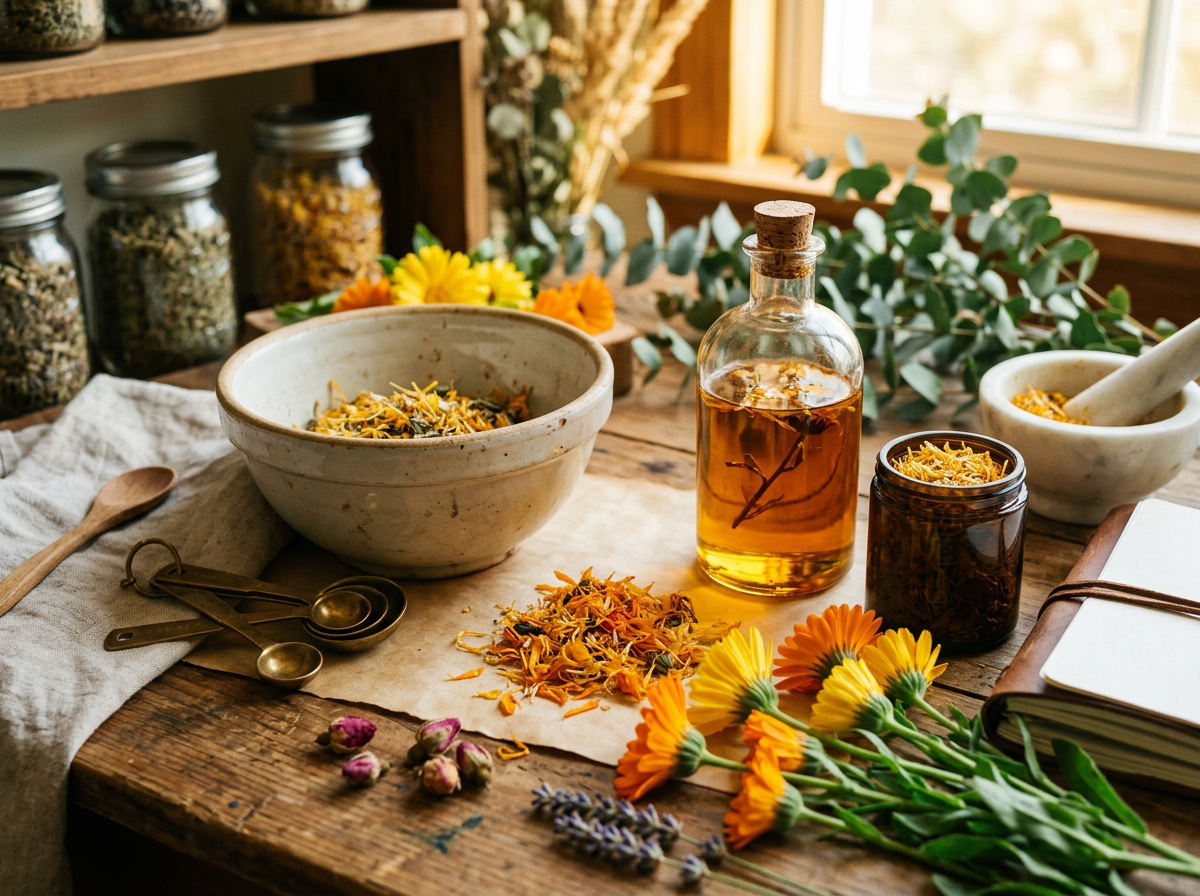
For those comfortable with basic lip balm making, these advanced formulations incorporate additional beneficial ingredients and more complex techniques to create specialized lip care products.
Understanding Advanced Ingredients
Before attempting advanced recipes, it's helpful to understand how additional ingredients may benefit lip care formulations. Research and traditional use suggest various natural ingredients that complement calendula oil well.
Botanical Additions
| Ingredient | Traditional Use | Usage Rate |
|---|---|---|
| Chamomile Extract | Traditionally used for skin comfort | 1-3% |
| Plantain Oil | Historical use for skin support | 10-20% |
| Comfrey Leaf Extract | Traditional skin comfort applications | 2-5% |
Recipe 4: Intensive Overnight Calendula Lip Approach
This rich, concentrated formula is designed for overnight use when lips need extra attention.
Ingredients:
- 2 tablespoons calendula oil (olive oil base)
- 1 tablespoon rosehip seed oil
- 2 teaspoons beeswax
- 1 teaspoon lanolin (optional, omit for vegan version)
- 1 teaspoon shea butter
- 1/2 teaspoon vitamin E oil
- 2-3 drops vanilla extract (for pleasant scent)
Instructions:
- Melt beeswax and lanolin (if using) in double boiler
- Add shea butter and allow to melt
- Stir in both oils and remove from heat
- Allow mixture to cool for 3-4 minutes
- Add vitamin E oil and vanilla extract
- Whisk thoroughly to create smooth emulsion
- Pour into small wide-mouth jars for easy application
Usage: Apply a thick layer before bedtime, allowing lips to absorb the approach overnight.
Recipe 5: Calendula Lip Scrub
A gentle exfoliating approach to prepare lips for better absorption of calendula lip balms.
Ingredients:
- 1 tablespoon calendula oil
- 1 tablespoon raw sugar (fine grain)
- 1 teaspoon honey
- 1/2 teaspoon coconut oil
Instructions:
- Warm coconut oil until just melted
- Combine with calendula oil and honey
- Gradually stir in sugar until mixture holds together
- Store in small jar with tight-fitting lid
Usage: Apply small amount to lips and gently massage in circular motions for 30 seconds. Rinse with warm water and follow with calendula lip balm. Use 1-2 times per week maximum.
Recipe 6: Calendula Lip Serum
A lightweight, fast-absorbing approach for daily use under regular lip balm.
Ingredients:
- 1 tablespoon calendula oil (jojoba base)
- 1 teaspoon rosehip seed oil
- 1 teaspoon sea buckthorn oil
- 1/4 teaspoon vitamin E oil
Instructions:
- Combine all oils in small dark glass bottle
- Shake gently to blend
- Allow mixture to settle for 24 hours before first use
Usage: Apply 1-2 drops to lips morning and evening, allowing full absorption before applying regular lip balm.
Professional Formulation Tips
Calculating Percentages
When scaling recipes or creating your own formulations, work with percentages:
- Total weight should equal 100%
- Calendula oil: 30-60% of total
- Beeswax: 15-25% for proper consistency
- Additional oils and butters: remaining percentage
Preservation Considerations
Oil-based lip products generally don't require preservatives, but consider:
- Adding vitamin E oil (0.5-1%) as an antioxidant
- Using dark containers to prevent light degradation
- Avoiding water-based ingredients unless using proper preservatives
- Making smaller batches for fresher products
Safety Guidelines and Storage Tips
While calendula oil is generally well-tolerated, proper safety protocols and storage practices ensure both the effectiveness and safety of your homemade lip care products.
Safety Precautions
Allergy Considerations
Before using calendula oil or any DIY lip products:
- Asteraceae family sensitivity: People allergic to ragweed, chrysanthemums, marigolds, or daisies should exercise caution
- Carrier oil allergies: Be aware of potential reactions to almond oil (tree nuts), sunflower oil, or other carriers
- Patch testing is essential: Always test new formulations on a small skin area first
- Discontinue use immediately if any irritation, redness, or discomfort occurs
Preparation Safety
When making DIY lip products:
- Work in a clean environment with sanitized tools
- Use heat-resistant glass containers for melting
- Keep water away from oil-based formulations to prevent spoilage
- Wear safety glasses when working with hot oils and waxes
- Have a first aid kit nearby when working with heated materials
Quality Control
Testing Your Products
Before using any homemade lip product extensively:
- Visual inspection: Check for unusual colors, separation, or mold
- Scent test: Fresh products should have a pleasant, mild scent
- Texture evaluation: Consistency should be smooth without grittiness
- Small-scale testing: Use a small amount first to assess tolerance
Signs of Spoilage
Discard any lip product that shows:
- Rancid or off odors
- Changes in color or texture
- Separation of ingredients
- Mold growth (appears as fuzzy spots)
- Irritation upon application
Calendula Oil
Nature's Golden Botanical, bottled: small-batch calendula oil in sizes from 0.5 oz to bulk.
From $11.99
Shop Calendula Oil →