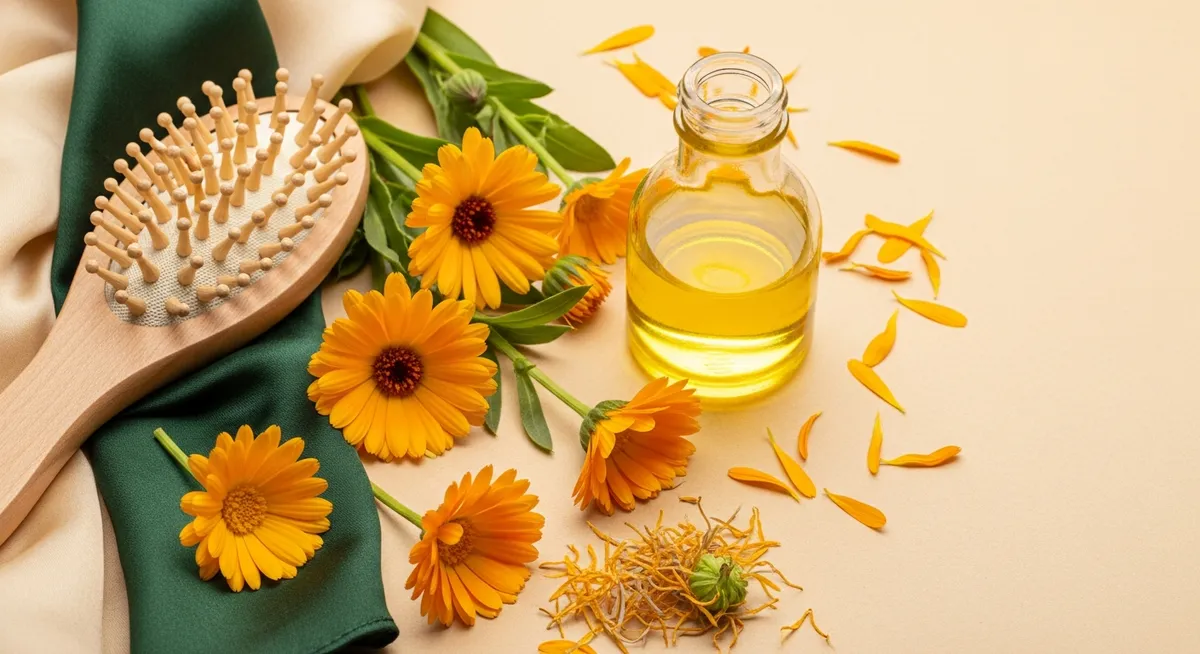
Calendula Oil for Hair: Growth, Scalp Health & Complete Hair Care Guide
Key Takeaways
- Calendula oil may help support scalp health and comfort through its gentle, soothing properties
- Traditional herbalism has long valued calendula for maintaining healthy hair and scalp conditions
- Pure calendula oil can be incorporated into various hair care routines and DIY treatments
- Proper dilution and patch testing are essential when using any botanical oil on hair and scalp
- Quality sourcing matters – look for organic, cold-pressed calendula oil from reputable suppliers
Table of Contents
- Understanding Calendula Oil and Its Traditional Hair Care Uses
- How Calendula Oil May Support Scalp Health
- Calendula Oil and Hair Growth: What Research Suggests
- Choosing Quality Calendula Oil for Hair Care
- Application Methods and DIY Hair Treatments
- Safety Considerations and Best Practices
- Creating a Complete Calendula Hair Care Routine
- Troubleshooting Common Hair and Scalp Concerns
For centuries, herbalists and natural beauty enthusiasts have turned to calendula oil as a gentle yet effective botanical ally for hair and scalp care. Derived from the vibrant golden petals of Calendula officinalis, this treasured oil has earned its place in traditional hair care practices across cultures, offering a natural approach to supporting scalp comfort and maintaining healthy-looking hair.
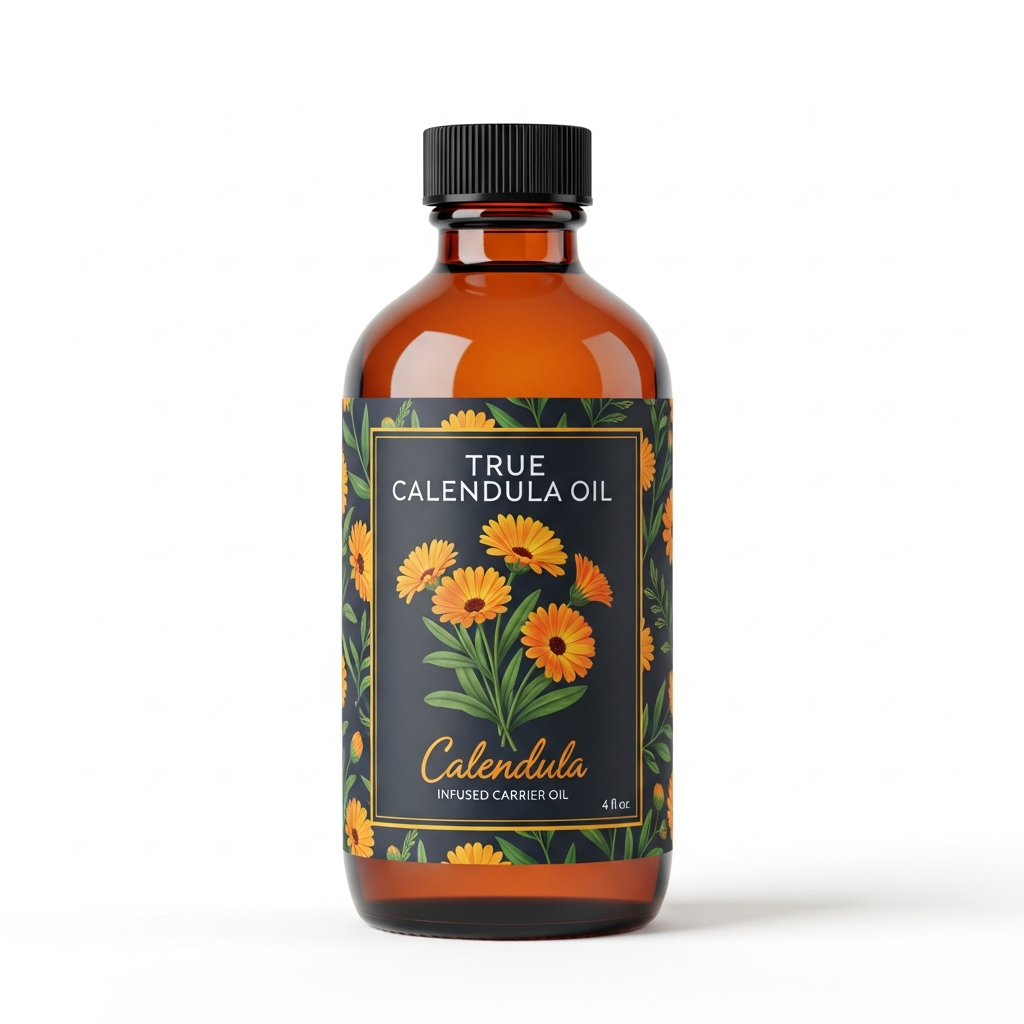 Calendula Oil
Our own small-batch calendula oil, in sizes from 0.5 oz to bulk. From $11.99.
Shop Calendula Oil →
Calendula Oil
Our own small-batch calendula oil, in sizes from 0.5 oz to bulk. From $11.99.
Shop Calendula Oil →
As more people seek alternatives to harsh chemical hair treatments, calendula oil for hair care has experienced a renaissance. This comprehensive guide explores the traditional uses, potential benefits, and practical applications of Nature's Golden Botanical in your hair care routine, providing you with the knowledge needed to incorporate this botanical treasure safely and effectively.
Understanding Calendula Oil and Its Traditional Hair Care Uses
The Botanical Heritage of Calendula
Calendula, commonly known as pot marigold, has been cultivated for its beneficial properties since ancient times. The oil extracted from these cheerful orange and yellow flowers carries forward a rich tradition of gentle care that has been passed down through generations of herbalists and natural healers.
Traditional herbalism has long recognized calendula's potential to support skin comfort and appearance, properties that naturally extend to scalp and hair care applications. Historical texts from various cultures document the use of calendula preparations for maintaining healthy scalp conditions and supporting the appearance of lustrous hair.
How Calendula Oil is Made
Understanding the production process helps explain why quality matters so much when selecting calendula oil for hair care. The finest calendula oils are typically created through one of two methods:
- Infusion Method: Fresh or dried calendula petals are gently infused in carrier oils like olive, sunflower, or jojoba oil over several weeks, allowing the botanical compounds to slowly transfer into the carrier oil
- CO2 Extraction: A more modern approach that uses carbon dioxide under pressure to extract calendula compounds, resulting in a more concentrated product
The infusion method, while slower, often produces oils that traditional herbalists prefer for hair care applications, as the gentle process preserves the delicate compounds that may contribute to calendula's reputation for supporting scalp comfort.
Traditional Hair Care Applications
Throughout history, calendula oil has been incorporated into hair care practices in various ways:
- Scalp Massages: Gentle massage with diluted calendula oil has been traditionally used to support scalp comfort and circulation
- Hair Conditioning: Applied to hair lengths and ends, calendula oil has been valued for its potential to support hair softness and manageability
- Scalp Soothing: Traditional use includes application to areas of scalp discomfort or dryness
- Hair Shine Enhancement: Light application has been used traditionally to promote natural hair luster
How Calendula Oil May Support Scalp Health
The Foundation of Healthy Hair
A healthy scalp provides the optimal environment for hair growth and appearance. Just as fertile soil supports vibrant plant growth, a well-maintained scalp may help support the conditions that promote healthy-looking hair. Calendula oil's traditional reputation centers on its gentle, soothing properties that may help maintain scalp comfort.
Understanding Scalp Challenges
Many people experience various scalp concerns that may impact their hair's appearance and comfort:
- Dryness and flaking
- Occasional itching or discomfort
- Sensitivity to hair care products
- Environmental damage from sun, wind, or pollution
- Product buildup affecting scalp health
While these concerns require appropriate care and, in some cases, professional consultation, traditional herbalism suggests that gentle, natural approaches like calendula oil may help support overall scalp comfort and appearance.
Calendula's Traditional Properties
Research into calendula's botanical compounds has identified several constituents that traditional herbalists have long valued:
| Compound | Traditional Recognition | Potential Scalp Application |
|---|---|---|
| Triterpenes | Valued for gentle, soothing properties | May help maintain scalp comfort |
| Flavonoids | Traditionally associated with protective qualities | May support scalp resilience against environmental stressors |
| Carotenoids | Recognized for antioxidant activity | May help protect scalp from oxidative stress |
| Essential fatty acids | Valued for moisturizing properties | May help maintain scalp hydration |
Note: These are observational findings from traditional use and preliminary research. Individual results may vary, and these statements have not been evaluated by the FDA.
Supporting Natural Scalp Balance
Traditional herbalists have long recognized that scalp health involves maintaining natural balance. Some practitioners suggest that calendula oil may help support this balance through several potential mechanisms:
- Moisture Support: The oil's emollient properties may help maintain appropriate scalp hydration levels
- Gentle Cleansing: When properly diluted, calendula oil may help remove buildup while being gentle on sensitive scalp skin
- Comfort Enhancement: Traditional use suggests calendula may help soothe occasional scalp discomfort
- Environmental Protection: The oil may provide a protective barrier against environmental stressors
Calendula Oil and Hair Growth: What Research Suggests
Understanding Hair Growth Cycles
Before exploring calendula's potential role in supporting hair appearance, it's essential to understand the natural hair growth process. Hair grows in three distinct phases:
- Anagen (Growth Phase): The active growth period, lasting 3-5 years for scalp hair
- Catagen (Transition Phase): A brief transitional period lasting about 10 days
- Telogen (Resting Phase): The resting period before hair naturally sheds, lasting about 3 months
Supporting healthy hair growth involves maintaining optimal conditions during each phase, particularly ensuring the scalp environment remains healthy and comfortable.
Traditional Perspectives on Calendula Oil Hair Growth
Traditional herbalism has long valued calendula oil for supporting hair appearance and scalp health. Historical practitioners observed that regular scalp massage with properly diluted calendula oil seemed to correlate with improved hair appearance and scalp comfort, though these observations were anecdotal rather than scientifically controlled.
Some traditional theories about why calendula oil may support hair appearance include:
- Circulation Support: Gentle massage with calendula oil may help promote healthy circulation to hair follicles
- Follicle Environment: Maintaining scalp comfort may create more favorable conditions for healthy hair growth
- Stress Reduction: The relaxing nature of scalp massage with aromatic calendula oil may help reduce stress, which can impact hair appearance
- Nutrient Delivery: A healthy scalp may be better able to deliver nutrients to hair follicles
Current Research Landscape
While extensive clinical research specifically on calendula oil for hair growth remains limited, some studies have explored related areas:
Research Note: Most current research focuses on calendula's general properties rather than specific hair growth applications. Some research suggests calendula may support skin comfort and appearance, properties that may extend to scalp applications, though more specific studies would be needed to establish definitive connections.
Areas where research has shown promise include:
- Calendula's potential to support skin comfort in various applications
- The oil's moisturizing properties in topical applications
- Antioxidant activity of calendula compounds in laboratory studies
- Traditional wound care applications, suggesting gentle, supportive properties
Realistic Expectations
When considering calendula oil for hair care, it's important to maintain realistic expectations. While traditional use suggests potential benefits, calendula oil is not a miracle solution for hair concerns. Instead, it may serve as a supportive element in a comprehensive hair care routine that includes:
- Proper nutrition and hydration
- Gentle hair care practices
- Stress management
- Protection from environmental damage
- Professional consultation for persistent concerns
For those experiencing significant hair loss or scalp concerns, it's essential to consult with a qualified healthcare provider or dermatologist. You can also explore more specific information about calendula oil for hair loss in our detailed guide.
Choosing Quality Calendula Oil for Hair Care
Quality Indicators
Not all calendula oils are created equal. When selecting calendula oil for hair care applications, consider these quality indicators:
Sourcing and Cultivation
- Organic Certification: Look for oils made from organically grown calendula flowers to avoid potential pesticide residues
- Harvest Timing: Premium oils are made from flowers harvested at peak bloom when compound concentrations are highest
- Geographic Origin: Some regions are known for producing particularly high-quality calendula due to optimal growing conditions
Extraction Methods
- Cold Infusion: Traditional method that preserves delicate compounds through gentle, slow extraction
- Solar Infusion: Uses natural sunlight to facilitate the infusion process over several weeks
- Carrier Oil Quality: The base oil (olive, sunflower, jojoba) significantly impacts the final product's quality and shelf life
Processing Standards
- Small Batch Production: Often ensures better quality control and freshness
- Minimal Processing: Fewer processing steps typically preserve more beneficial compounds
- Third-Party Testing: Verification of purity and potency through independent laboratory analysis
Reading Labels and Certifications
Understanding what to look for on calendula oil labels can help ensure you select a quality product:
| Label Element | What to Look For | Red Flags |
|---|---|---|
| Ingredient List | Calendula officinalis in carrier oil | Long lists of synthetic additives |
| Concentration | Clear indication of calendula percentage | Vague terms like "calendula blend" |
| Certifications | Organic, non-GMO, cruelty-free labels | No quality certifications |
| Packaging | Dark glass bottles with tight seals | Clear plastic containers |
| Expiration Date | Clear expiration or best-by date | Missing or unclear dating |
Storage and Shelf Life
Proper storage significantly impacts calendula oil's effectiveness and safety for hair care use:
- Temperature: Store in a cool, dry place away from direct sunlight and heat sources
- Container: Keep in original dark glass container to protect from light degradation
- Seal: Ensure tight closure after each use to prevent oxidation
- Shelf Life: Most quality calendula oils maintain potency for 12-24 months when properly stored
- Signs of Degradation: Rancid smell, significant color change, or separation indicate the oil should be discarded
Budget Considerations
While quality calendula oil represents an investment, consider the long-term value:
- Concentration: Higher-quality oils often require smaller amounts per application
- Versatility: Premium calendula oil can serve multiple purposes beyond hair care
- Shelf Life: Quality oils last longer, providing better value over time
- Safety: Investing in quality reduces risk of adverse reactions or ineffective results
Application Methods and DIY Hair Treatments
Basic Application Techniques
Scalp Massage Method
One of the most traditional and effective ways to use calendula oil for hair care involves gentle scalp massage:
- Preparation: Warm 1-2 teaspoons of calendula oil slightly (test temperature on wrist)
- Application: Part hair into sections and apply small amounts directly to scalp
- Massage: Use fingertips to massage gently in circular motions for 5-10 minutes
- Rest: Allow oil to remain on scalp for 20-30 minutes
- Cleansing: Shampoo gently to remove oil residue
Frequency: Start with once weekly and adjust based on your hair's response and personal preference.
Pre-Shampoo Approach
This method helps protect hair during the cleansing process while delivering calendula's traditional benefits:
- Apply calendula oil to dry hair, focusing on scalp and lengths
- Comb through gently with a wide-tooth comb
- Leave for 15-30 minutes
- Proceed with your regular shampooing routine
DIY Calendula Hair Approach Recipes
Creating your own calendula-based hair treatments allows for customization while ensuring fresh, quality ingredients. For more detailed recipes, explore our comprehensive guide to DIY calendula hair approach options.
Nourishing Calendula Hair Mask
Ingredients:
- 2 tablespoons calendula oil
- 1 tablespoon honey (raw, unprocessed)
- 1 egg yolk
- 1 teaspoon apple cider vinegar
Instructions:
- Whisk ingredients together until well combined
- Apply to damp hair from roots to ends
- Cover with shower cap and leave for 20-30 minutes
- Rinse thoroughly with cool water
- Follow with gentle shampoo if needed
Patch Test Warning: Always perform a patch test 24 hours before full application to check for sensitivity.
Scalp-Soothing Calendula Serum
Ingredients:
- 3 tablespoons calendula oil
- 1 tablespoon jojoba oil
- 5 drops lavender essential oil (optional)
- 3 drops rosemary essential oil (optional)
Instructions:
- Combine oils in a small dark glass bottle
- Shake gently before each use
- Apply 5-10 drops to scalp and massage gently
- Can be left overnight or rinsed after 30 minutes
For more intensive approach options, check out our detailed calendula oil hair mask guide.
Dry Hair Ends Approach
Ingredients:
- 1 tablespoon calendula oil
- 1 tablespoon argan oil
- 1 teaspoon vitamin E oil
Instructions:
- Mix oils in a small bowl
- Apply to hair ends while slightly damp
- Use sparingly to avoid greasiness
- Style as usual
Integration with Existing Hair Care Routines
Weekly Deep Approach Schedule
- Day 1: Calendula oil scalp massage
- Day 3: Mid-week touch-up with calendula serum
- Day 7: Comprehensive calendula hair mask approach
Daily Maintenance Options
- Morning: Light application of diluted calendula oil to hair ends
- Evening: Gentle scalp massage with calendula serum
- Post-Workout: Scalp refresh with calendula-infused dry shampoo
Application Tools and Accessories
Having the right tools can enhance your calendula oil hair care experience:
- Wide-tooth comb: For gentle distribution without breakage
- Sectioning clips: To ensure even application to all areas of scalp
- Scalp massage brush: Soft silicone bristles for enhanced circulation
- Application bottles: For precise, mess-free oil application
- Shower caps: To contain treatments and enhance penetration
- Microfiber towels: Gentle drying that won't strip natural oils
Safety Considerations and Best Practices
Patch Testing Protocol
Before incorporating any new oil into your hair care routine, proper patch testing is essential to identify potential sensitivities:
24-Hour Patch Test Procedure
- Clean Test Area: Choose a small area of skin (inner forearm or behind ear)
- Apply Small Amount: Place a drop of diluted calendula oil on the test area
- Cover if Needed: Use a small bandage if the test area might be disturbed
- Wait and Observe: Monitor for 24 hours for any signs of reaction
- Evaluate Results: Redness, itching, or irritation indicates sensitivity
Proper Dilution Guidelines
While calendula oil is generally well-tolerated, proper dilution ensures safety and effectiveness:
| Application Type | Recommended Dilution | Safety Notes |
|---|---|---|
| Scalp Massage | Pure calendula oil (already infused in carrier oil) | Start with small amounts |
| Daily Scalp Approach | 1:1 ratio with additional carrier oil | Monitor for buildup |
| Sensitive Scalp | 1:2 ratio (calendula:carrier oil) | Extra gentle for reactive skin |
| Hair Ends | Pure calendula oil in small amounts | Use sparingly to avoid greasiness |
Contraindications and Precautions
Known Allergies and Sensitivities
- Asteraceae Family Allergy: Those allergic to ragweed, chrysanthemums, marigolds, or daisies should exercise caution
- Pregnancy and Breastfeeding: Consult healthcare provider before use
- Children: Use only under adult supervision with appropriate dilution
- Compromised Scalp: Avoid application to broken, inflamed, or infected skin
Drug Interactions
While topical calendula oil application is generally considered safe, be aware of potential interactions:
- Topical medications applied to scalp or hair
- Systemic medications that affect skin sensitivity
- Other essential oils or botanical treatments used simultaneously
Important: Always consult with a qualified healthcare provider before adding calendula oil to your routine, especially if you have existing scalp conditions or are taking medications.
Signs of Adverse Reactions
Discontinue use immediately and consult a healthcare provider if you experience:
- Persistent redness or inflammation
- Increased itching or burning sensation
- Unusual hair loss or breakage
- Scalp rash or hives
- Swelling of face, lips, or throat
- Difficulty breathing (seek emergency care)
Storage Safety
Proper storage prevents contamination and maintains oil quality:
- Temperature Control: Store below 77°F (25°C) to prevent rancidity
- Light Protection: Keep in dark containers away from sunlight
- Contamination Prevention: Use clean hands and utensils when handling
- Child Safety: Store out of reach of children and pets
- Expiration Monitoring: Replace oils that show signs of degradation
Quality Control for DIY Treatments
When creating homemade calendula hair treatments:
- Cleanliness: Sterilize all equipment and containers before use
- Fresh Ingredients: Use only fresh, high-quality components
- Small Batches: Make only what you can use within a few days
- Proper Mixing: Ensure ingredients are well combined to prevent separation
- Testing: Test each new recipe on a small area first
Creating a Complete Calendula Hair Care Routine
Customizing Your Routine by Hair Type
Fine or Oily Hair
Those with fine or naturally oily hair should use calendula oil judiciously to avoid weighing hair down:
- Frequency: 1-2 times per week maximum
- Application: Focus primarily on scalp, avoid hair lengths
- Dilution: Use lighter carrier oils like jojoba or grapeseed
- Approach Time: Shorter application periods (10-15 minutes)
- Cleansing: Thorough but gentle removal to prevent buildup
Thick or Dry Hair
Thicker, drier hair types can typically handle more intensive calendula treatments:
- Frequency: 2-3 times per week
- Application: Full scalp and hair length approach
- Dilution: Can use pure calendula oil or mix with heavier carrier oils
- Approach Time: Extended periods (30-60 minutes)
- Overnight Treatments: Occasional overnight applications may be beneficial
Curly or Textured Hair
Curly and textured hair often benefits from regular oil treatments due to natural dryness:
- Frequency: 2-3 times per week
- Application: Focus on scalp health and hair ends
- Sectioning: Work in small sections for even distribution
- Gentle Handling: Minimize manipulation to prevent breakage
- Leave-in Options: Light application as a styling aid
Seasonal Adaptations
Spring and Summer Care
Warmer months may require adjustments to your calendula hair care routine:
- Lighter Applications: Reduce oil quantity to prevent greasiness in heat
- Sun Protection: Use calendula oil as a protective barrier before sun exposure
- Swimming Prep: Apply before swimming to protect against chlorine damage
- Sweat Management: Consider dry shampooing alternatives with calendula
Fall and Winter Care
Colder months often call
Calendula Oil
Nature's Golden Botanical, bottled: small-batch calendula oil in sizes from 0.5 oz to bulk.
From $11.99
Shop Calendula Oil →