Calendula Oil for Acne: Natural Approach Protocol & Product Picks
Key Takeaways
- Calendula oil is traditionally used in skincare for its gentle, soothing properties
- Research suggests calendula may help support the skin's natural soothing processes
- This golden oil offers a mild approach that many find suitable for sensitive, acne-prone skin
- Proper dilution and patch testing are essential before use
- Quality sourcing and organic certification matter for effectiveness
- Always consult a dermatologist for persistent or severe acne concerns
Table of Contents
- Understanding Calendula Oil and Acne-Prone Skin
- The Botanical Properties Behind Calendula's Skin Benefits
- Natural Calendula Protocol for Acne-Prone Skin
- DIY Calendula Acne Treatments and Recipes
- Top Calendula Oil Product Picks for Acne
- Safety Considerations and Best Practices
- How Calendula Compares to Other Natural Acne Treatments
- Expert Tips for Maximizing Results
Understanding Calendula Oil and Acne-Prone Skin
Calendula officinalis, commonly known as pot marigold, has been cherished in traditional skincare for centuries. This vibrant orange flower produces an oil that many people find particularly gentle for sensitive, acne-prone skin. Unlike harsher treatments that may strip the skin, calendula oil offers a more nurturing approach to supporting skin health.
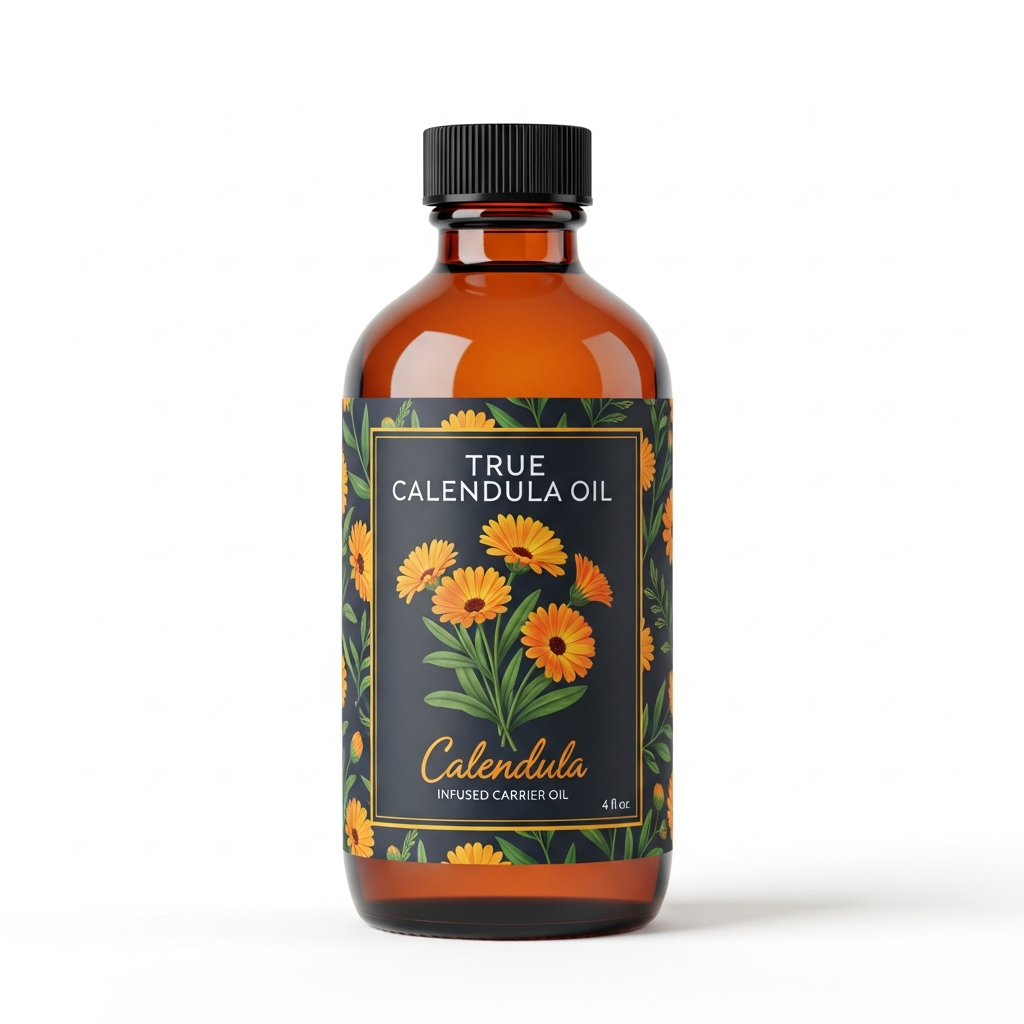 Calendula Oil
Our own small-batch calendula oil, in sizes from 0.5 oz to bulk. From $11.99.
Shop Calendula Oil →
Calendula Oil
Our own small-batch calendula oil, in sizes from 0.5 oz to bulk. From $11.99.
Shop Calendula Oil →
When we discuss calendula oil for acne, we're exploring how this botanical extract may help support the skin's natural balance. The oil is typically created through infusion methods, where calendula petals are slowly steeped in carrier oils like olive, sunflower, or jojoba oil, allowing the flower's beneficial compounds to be extracted.
What Makes Calendula Different for Acne-Prone Skin
Traditional acne treatments often focus on aggressive drying or harsh chemical exfoliation. Calendula oil takes a different approach. People report that this golden oil feels soothing rather than irritating, making it potentially suitable for those whose skin reacts poorly to conventional acne products.
The oil's consistency is typically light to medium, absorbing well without leaving a heavy residue that might clog pores. This makes it particularly interesting for those dealing with calendula oil oily skin concerns, as it may help balance rather than overwhelm already oil-prone complexions.
The Botanical Properties Behind Calendula's Skin Benefits

To understand why so many people turn to calendula for acne-prone skin, it's helpful to examine what research suggests about this remarkable flower's composition. Calendula contains various compounds that researchers have found intriguing for skincare applications.
Active Compounds in Calendula
Scientific studies have identified several key components in calendula that may contribute to its traditional use in skincare:
- Triterpenoids: Including faradiol and arnidiol, compounds that some research suggests may support the skin's natural inflammatory response
- Flavonoids: Plant compounds traditionally associated with antioxidant activity
- Carotenoids: The pigments responsible for calendula's vibrant color, which may help protect skin cells
- Essential oils: Aromatic compounds that contribute to calendula's distinctive, honey-like scent
How These Properties May Support Acne-Prone Skin
When considering calendula oil pimples and breakout-prone areas, it's important to understand that acne involves multiple factors: excess oil production, clogged pores, bacterial activity, and inflammation. Some research suggests that calendula's compounds may help support the skin's natural processes in several ways:
Traditional herbalists have long valued calendula for its potential to support the skin's natural soothing processes. Modern research has begun to explore these traditional uses, with some studies suggesting that calendula extracts may help promote healthy skin cell turnover and support the skin's natural barrier function.
"Calendula's gentle nature makes it particularly appealing for those seeking a botanical approach to skincare. While research is ongoing, the traditional use of this flower spans centuries and cultures." - Traditional Herbalism Perspective
For those interested in the broader applications of this versatile oil, our guide to calendula oil for skin explores additional traditional uses and properties.
Natural Calendula Protocol for Acne-Prone Skin
Developing a consistent routine with calendula oil requires patience and attention to your skin's individual responses. Unlike quick-fix treatments, botanical approaches typically work best when integrated thoughtfully into a comprehensive skincare routine.
Phase 1: Introduction and Testing (Week 1-2)
Patch Testing Protocol:
- Apply a small amount of diluted calendula oil (see dilution ratios below) to your inner wrist
- Cover with a bandage and wait 24-48 hours
- Check for any redness, itching, or irritation
- If no reaction occurs, test on a small area of your face
- Wait another 24 hours before proceeding
Initial Application:
- Start with once every other day application
- Use only on clean, dry skin
- Apply to non-active breakout areas first
- Monitor skin response carefully
Phase 2: Building Tolerance (Week 3-6)
If your skin responds well during the initial phase, gradually increase frequency:
- Week 3: Apply once daily in the evening
- Week 4: Consider adding a morning application if evening use is well-tolerated
- Week 5-6: Establish consistent routine based on skin response
Phase 3: Maintenance Protocol (Week 7+)
Daily Routine Suggestions:
Morning:
- Gentle cleansing with lukewarm water
- Pat skin dry
- Apply diluted calendula oil to affected areas
- Allow 10-15 minutes for absorption
- Apply non-comedogenic moisturizer if needed
- Use broad-spectrum sunscreen (essential step)
Evening:
- Remove makeup and sunscreen thoroughly
- Gentle cleansing
- Pat skin dry
- Apply calendula oil approach
- Follow with appropriate nighttime moisturizer if needed
Proper Dilution Guidelines
| Skin Sensitivity Level | Calendula Oil Ratio | Carrier Oil | Best For |
|---|---|---|---|
| Highly Sensitive | 1 part calendula | 3 parts jojoba oil | First-time users, reactive skin |
| Moderately Sensitive | 1 part calendula | 2 parts carrier oil | Most acne-prone skin types |
| Less Sensitive | 2 parts calendula | 1 part carrier oil | Established users, resilient skin |
Important Safety Note: Always dilute calendula oil before facial application. Pure calendula oil, while generally gentle, may still cause irritation when used undiluted, especially on sensitive or compromised skin.
DIY Calendula Acne Treatments and Recipes

Creating your own calendula-based treatments allows you to customize formulations for your specific skin needs while ensuring quality ingredients. Here are several tried-and-tested recipes that many people find helpful for acne-prone skin.
Basic Calendula Spot Approach
Ingredients:
- 1 tablespoon high-quality calendula oil
- 1 tablespoon jojoba oil (non-comedogenic carrier)
- 3 drops tea tree oil (optional, for additional support)
- Small dark glass dropper bottle
Instructions:
- Combine oils in the dropper bottle
- Shake gently to blend
- Apply 1-2 drops to clean fingertips
- Gently dab onto individual blemishes
- Allow to absorb before applying other products
Safety Considerations: Patch test first. Tea tree oil can be irritating for some individuals. Store in a cool, dark place and use within 6 months.
Gentle Calendula Cleansing Oil
This double-cleansing method may help remove impurities without over-drying acne-prone skin.
Ingredients:
- 2 tablespoons calendula oil
- 2 tablespoons sunflower oil
- 1 tablespoon castor oil
- 1 teaspoon vitamin E oil (optional preservative)
Method:
- Mix ingredients in a clean bottle
- Apply 1-2 teaspoons to dry skin
- Massage gently for 30-60 seconds
- Remove with warm, damp cloth
- Follow with gentle water-based cleanser
Calendula Anti-Inflammatory Face Mask
This weekly approach combines calendula with other traditionally soothing ingredients.
Ingredients:
- 1 tablespoon calendula oil
- 2 tablespoons raw honey
- 1 tablespoon finely ground oatmeal
- 1 teaspoon aloe vera gel
Application:
- Mix ingredients to form a smooth paste
- Apply to clean face, avoiding eye area
- Leave on for 15-20 minutes
- Remove with lukewarm water and soft cloth
- Follow with appropriate moisturizer
Frequency: Use once weekly initially, adjusting based on skin response.
For those interested in broader facial applications, our comprehensive guide to calendula oil for face offers additional formulation ideas and usage tips.
DIY Safety Guidelines
- Sterilization: Always use clean utensils and containers
- Preservation: Add vitamin E oil to extend shelf life
- Storage: Keep DIY products in dark glass containers
- Labeling: Date all homemade products
- Shelf Life: Use oil-based products within 6-12 months
Top Calendula Oil Product Picks for Acne
While DIY preparations offer customization, high-quality commercial calendula oils can provide consistency and convenience. When selecting products for acne-prone skin, several factors deserve careful consideration.
What to Look For in Quality Calendula Oil
Extraction Method: Cold-pressed or CO2 extracted calendula oils typically retain more beneficial compounds than heat-processed alternatives. Solar infusion methods, where flowers are slowly steeped in carrier oils, are also traditional and effective.
Organic Certification: Organic calendula oils are produced without synthetic pesticides or fertilizers that might irritate sensitive skin. Look for USDA Organic or equivalent certifications.
Carrier Oil Base: The base oil matters significantly for acne-prone skin:
- Jojoba oil base: Technically a wax ester, jojoba closely mimics skin's natural sebum
- Sunflower oil base: Light, non-comedogenic, rich in vitamin E
- Olive oil base: Traditional but heavier; may not suit very oily skin
- Grapeseed oil base: Lightweight, contains natural antioxidants
Commercial Product Categories
True Calendula Oils
Best for: Those who prefer to control dilution and mixing themselves
Key Features to Evaluate:
- Color intensity (deeper orange typically indicates higher calendula concentration)
- Scent profile (should smell floral and slightly honey-like, not rancid)
- Consistency (should feel smooth, not gritty or separated)
- Packaging (dark glass bottles protect from light degradation)
Calendula Blend Products
Best for: Convenient, ready-to-use formulations
Many companies create blends specifically for acne-prone skin, combining calendula with complementary ingredients like:
- Chamomile for additional soothing properties
- Rose hip seed oil for vitamin C content
- Evening primrose oil for gamma-linolenic acid
- Argan oil for lightweight moisture
Price vs. Quality Considerations
| Price Range | What to Expect | Best For |
|---|---|---|
| $15-25 per oz | Basic infused oils, may be mass-produced | Budget-conscious beginners |
| $25-45 per oz | Organic certification, quality carrier oils | Most users seeking quality balance |
| $45-80 per oz | Artisan-made, premium extraction methods | Those prioritizing maximum potency |
Red Flags to Avoid
- Synthetic fragrances: Can irritate acne-prone skin
- Unclear ingredient lists: Quality products provide complete transparency
- Extremely low prices: May indicate diluted or low-quality products
- Clear bottles: Light exposure degrades beneficial compounds
- No expiration dates: Oils do degrade over time
Safety Considerations and Best Practices

While calendula oil is generally considered gentle and well-tolerated, understanding safety considerations is crucial for anyone incorporating it into their acne approach routine. Proper usage helps maximize benefits while minimizing potential risks.
Who Should Use Caution
Allergic Sensitivities: Individuals allergic to plants in the Asteraceae family (including ragweed, daisies, chrysanthemums, and marigolds) should exercise particular caution. Although true calendula allergies are relatively uncommon, cross-reactivity can occur.
Pregnancy and Nursing: While topical calendula use is traditionally considered safe during pregnancy, always consult with healthcare providers before adding new skincare ingredients during this time.
Medication Interactions: Although topical calendula oil interactions are rare, those taking blood-thinning medications should consult healthcare providers, as some research suggests calendula may have mild anti-coagulant properties.
Proper Application Guidelines
Dilution is Key: Even gentle oils like calendula should be properly diluted for facial use. Start with higher dilution ratios (more carrier oil) and gradually adjust based on skin tolerance.
Patch Testing Protocol:
- Apply diluted oil to inner wrist or behind ear
- Cover area and wait 24 hours
- Check for redness, itching, or swelling
- Test on small facial area before full application
- Wait additional 24 hours before regular use
Signs to Discontinue Use
Stop using calendula oil immediately if you experience:
- Persistent redness or irritation
- Increased breakouts or skin congestion
- Itching, burning, or stinging sensations
- Unusual skin reactions or rashes
- Swelling or hives
Storage and Shelf Life
Optimal Storage Conditions:
- Cool, dark locations (60-70°F ideal)
- Away from direct sunlight and heat sources
- Tightly sealed containers to prevent oxidation
- Dark glass bottles preferred over plastic
Signs of Spoilage:
- Rancid or off-putting odors
- Changes in color or consistency
- Separation of oil layers
- Cloudiness in previously clear oils
Sun Sensitivity Considerations
While calendula oil doesn't typically increase photosensitivity like some citrus oils, always use broad-spectrum sunscreen when supporting acne. Some acne-prone skin may be more sensitive to UV exposure, and protecting soothing skin is essential for preventing post-inflammatory hyperpigmentation.
Understanding the broader context of calendula's gentle properties can be helpful. Our detailed exploration of calendula oil anti-inflammatory properties provides additional insight into why this botanical is often well-tolerated by sensitive skin types.
How Calendula Compares to Other Natural Acne Treatments
Understanding how calendula oil fits into the broader landscape of natural acne treatments can help you make informed decisions about your skincare routine. Each botanical approach offers unique properties and potential benefits.
Calendula vs. Tea Tree Oil
Tea Tree Oil Characteristics:
- Strong antimicrobial properties suggested by research
- Can be quite potent and potentially irritating
- Requires significant dilution (typically 5-10%)
- May cause dryness or peeling in sensitive individuals
Calendula Oil Characteristics:
- Gentle, soothing properties traditionally valued
- Generally well-tolerated by sensitive skin
- May help support skin's natural soothing processes
- Less likely to cause irritation or over-drying
Best Combined Approach: Some people find success using calendula as their primary approach with occasional tea tree oil spot treatments for active blemishes.
Calendula vs. Rose Hip Oil
Rose Hip Oil Properties:
- Rich in vitamins A and C
- May help with skin texture and tone
- Lightweight consistency suitable for most skin types
- Potentially helpful for post-acne scarring
Complementary Use: Calendula and rose hip oil can work well together, with calendula providing soothing support and rose hip contributing vitamin content for skin regeneration.
Calendula vs. Neem Oil
Neem Oil Characteristics:
- Strong, distinctive odor that some find unpleasant
- Traditionally used in Ayurvedic medicine for skin concerns
- Requires careful dilution and may stain clothing
- Can be quite potent for sensitive individuals
Calendula Advantages: More pleasant scent profile, gentler nature, and easier integration into daily routines make calendula more accessible for many users.
Comparative Gentleness Scale
| Approach | Gentleness Level | Dilution Required | Sensitivity Risk |
|---|---|---|---|
| Calendula Oil | Very Gentle | Moderate | Low |
| Jojoba Oil | Very Gentle | None typically | Very Low |
| Rose Hip Oil | Gentle | None typically | Low |
| Tea Tree Oil | Moderate | High (5-10%) | Moderate |
| Neem Oil | Moderate | High | Moderate-High |
Creating Synergistic Combinations
Many successful natural acne protocols combine multiple gentle ingredients:
Morning Gentle Blend:
- Calendula oil (primary base)
- Few drops jojoba oil (balancing)
- 1 drop chamomile essential oil (additional soothing)
Evening Approach Blend:
- Calendula oil (soothing support)
- Rose hip oil (regenerative properties)
- Vitamin E oil (antioxidant protection)
Expert Tips for Maximizing Results
Achieving the best outcomes with calendula oil for acne requires more than just product application. These expert insights, gathered from traditional herbalists, aromatherapists, and skincare professionals, can help optimize your natural acne approach protocol.
Timing and Application Techniques
Optimal Application Times:
Research suggests that skin repair processes are most active during evening hours, making nighttime application potentially more effective for soothing-focused treatments. However, calendula's gentle nature makes it suitable for twice-daily use in most individuals.
Application Technique Matters:
- Gentle pressing: Use fingertips to gently press oil into skin rather than rubbing vigorously
- Warm oil slightly: Room temperature or slightly warm oil absorbs better than cold oil
- Less is more: Start with 1-2 drops per area; you can always add more
- Allow absorption time: Wait 10-15 minutes before applying additional products
Lifestyle Factors That Enhance Results
Dietary Considerations:
While topical treatments work externally, supporting skin health from within may enhance results. Consider:
- Adequate hydration (helps skin maintain proper barrier function)
- Omega-3 fatty acids (may support skin's natural inflammatory response)
- Zinc-rich foods (traditionally associated with skin health)
- Antioxidant-rich fruits and vegetables
Sleep and Stress Management:
Poor sleep and chronic stress can impact skin health. Calendula oil's gentle, pleasant scent may contribute to relaxation when used as part of an evening routine.
Seasonal Adjustments
Summer Considerations:
- Lighter application may be preferable in humid conditions
- Ensure adequate sun protection when using any oil-based treatments
- Store products in cool locations to prevent degradation
Winter Adaptations:
- Skin may tolerate richer applications during dry winter months
- Layer with appropriate moisturizers to combat seasonal dryness
- Indoor heating can affect skin; adjust routine accordingly
Tracking Progress and Adjustments
Documentation Strategies:
- Take weekly photos in consistent lighting
- Keep a simple log of products used and skin response
Calendula Oil
Nature's Golden Botanical, bottled: small-batch calendula oil in sizes from 0.5 oz to bulk.
From $11.99
Shop Calendula Oil →