The Ultimate Guide to Calendula Oil Extraction Methods: Cold-Pressed vs Infused vs CO2
The golden petals of calendula flowers have been treasured for centuries, but the method used to extract their precious oils dramatically impacts the final product's quality, potency, and characteristics. Whether you're a aromatherapy enthusiast, skincare formulator, or simply curious about this botanical treasure, understanding calendula oil extraction methods is essential for making informed choices.
 Calendula Oil
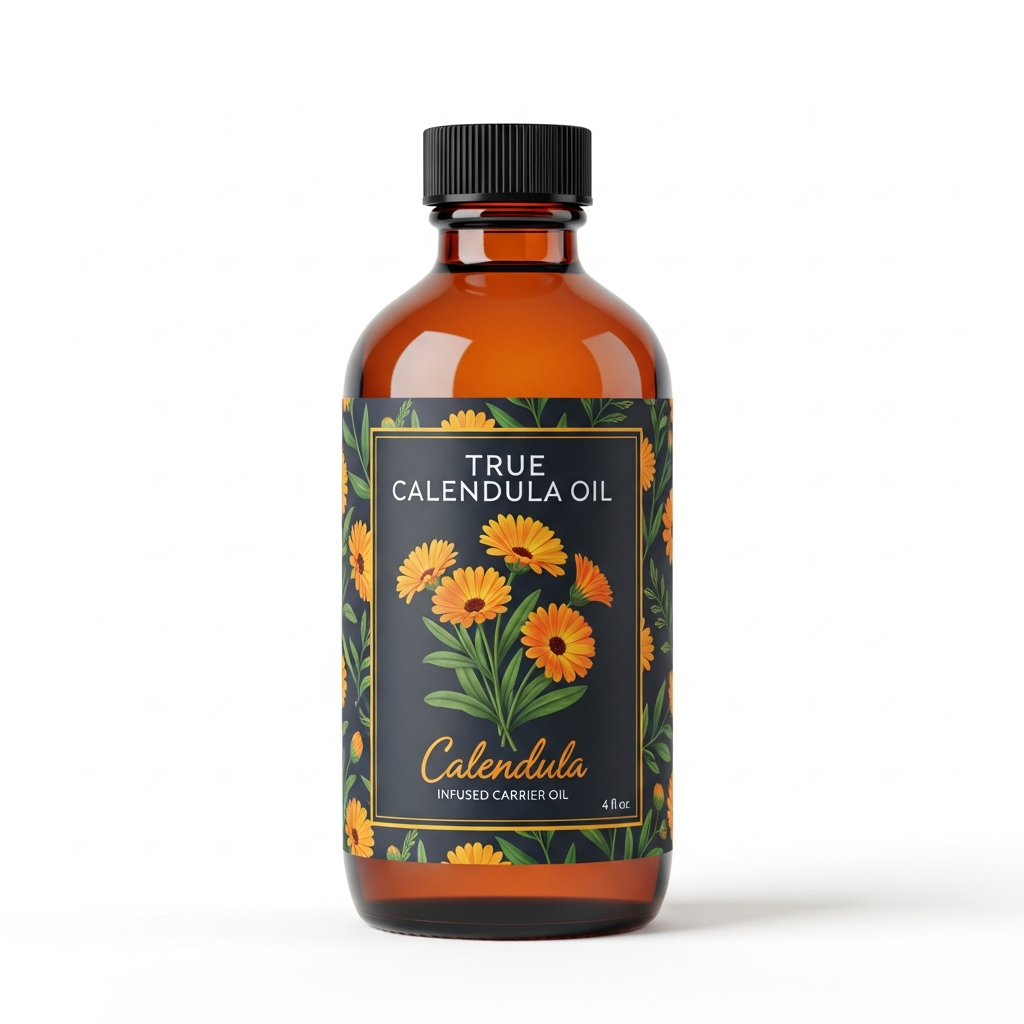
Our own small-batch calendula oil, in sizes from 0.5 oz to bulk. From $11.99.
Shop Calendula Oil →
Calendula Oil
Our own small-batch calendula oil, in sizes from 0.5 oz to bulk. From $11.99.
Shop Calendula Oil →
This comprehensive guide explores the three primary methods of calendula oil extraction: cold-pressed, infused, and CO2 extraction. Each technique produces distinctly different products with unique properties, applications, and benefits. By understanding these differences, you'll be better equipped to select the right calendula oil for your specific needs.
Key Takeaways
- Cold-pressed calendula oil offers the purest form with minimal processing
- Infused calendula oil is the most accessible and traditional method
- CO2 extraction produces the most concentrated and potent calendula extract
- Each method yields different therapeutic compounds and applications
- Quality factors vary significantly between extraction methods
- Cost and availability differ substantially across extraction types
Table of Contents
- Understanding Calendula: The Source Material
- Cold-Pressed Calendula Oil: Pure and Unrefined
- Infused Calendula Oil: Traditional Herbal Preparation
- CO2 Extraction: Modern Scientific Approach
- Comparative Analysis: Which Method Reigns Supreme?
- Quality Factors and What to Look For
- Applications and Best Uses for Each Type
- Making an Informed Choice: Selection Guidelines
Understanding Calendula: The Source Material
Before delving into extraction methods, it's crucial to understand what makes calendula (Calendula officinalis) such a prized botanical. Often called pot marigold, this vibrant orange flower contains a complex array of naturally occurring compounds that have made it a staple in traditional herbal practices for over 800 years.
The Botanical Profile of Calendula
Calendula flowers contain several key compound groups that researchers have identified as potentially beneficial:
- Carotenoids: Responsible for the flower's golden color, these compounds may support cellular health
- Flavonoids: Plant compounds that some research suggests may have antioxidant properties
- Saponins: Natural compounds traditionally associated with cleansing properties
- Essential oils: Volatile aromatic compounds that contribute to calendula's distinctive scent
- Mucilage: Gel-like substances that may help create a protective barrier on skin
The concentration and preservation of these compounds varies dramatically depending on the extraction method employed, making the choice of extraction technique critical for the final product's characteristics.
Factors Affecting Extraction Quality
Several factors influence the quality of calendula oil regardless of extraction method:
- Flower quality: Fresh, organically grown flowers typically yield superior extracts
- Harvest timing: Flowers picked at peak bloom contain optimal compound levels
- Processing speed: Rapid processing after harvest preserves delicate compounds
- Storage conditions: Temperature and light exposure during processing affects final quality
Cold-Pressed Calendula Oil: Pure and Unrefined

Cold-pressed calendula oil represents the purest form of calendula extraction, though it's important to note that true cold-pressed calendula oil is relatively rare in the commercial market. This method involves mechanically pressing calendula flowers and seeds without the application of heat or chemical solvents.
The Cold-Pressing Process
Cold-pressed calendula oil extraction follows these general steps:
- Preparation: Fresh or carefully dried calendula flowers are cleaned and prepared
- Pressing: Mechanical pressure is applied using specialized equipment
- Separation: The oil is separated from plant matter through filtration
- Minimal processing: The oil undergoes minimal refinement to preserve natural compounds
The key advantage of this method is that temperatures remain below 120°F (49°C), which helps preserve heat-sensitive compounds that might be damaged by other extraction methods.
Characteristics of Cold-Pressed Calendula Oil
| Characteristic | Description |
|---|---|
| Color | Deep golden to amber, retaining natural carotenoid pigments |
| Texture | Rich, slightly viscous consistency |
| Scent | Distinctive herbal aroma with earthy undertones |
| Shelf Life | 12-18 months when properly stored |
| Compound Retention | High retention of heat-sensitive compounds |
Advantages of Cold-Pressed Calendula Oil
- Minimal processing: Retains the full spectrum of naturally occurring compounds
- No chemical solvents: Pure extraction without chemical residues
- Heat preservation: Maintains heat-sensitive compounds intact
- Authentic profile: Closest to the flower's natural compound composition
Limitations of Cold-Pressed Extraction
- Low yield: Produces smaller quantities compared to other methods
- Limited availability: True cold-pressed calendula oil is rare commercially
- Higher cost: Labor-intensive process results in premium pricing
- Shorter shelf life: Minimal processing may reduce stability over time
Infused Calendula Oil: Traditional Herbal Preparation
Infused calendula oil, also known as macerated calendula oil, represents the most traditional and widely available form of calendula oil. This method involves steeping calendula flowers in a carrier oil to extract the plant's beneficial compounds through a gentle infusion process.
When learning how to make calendula oil at home, infusion is typically the method most herbalists and DIY enthusiasts choose due to its accessibility and effectiveness.
The Infusion Process
Calendula oil infusion can be accomplished through several methods:
Solar Infusion Method
- Fresh or dried calendula flowers are placed in a clean glass jar
- High-quality carrier oil (such as olive, sunflower, or jojoba oil) is poured over the flowers
- The jar is sealed and placed in a sunny location for 2-4 weeks
- The mixture is strained to remove plant material
Heat Infusion Method
- Calendula flowers and carrier oil are combined in a double boiler
- The mixture is gently heated at low temperatures (110-140°F) for 2-4 hours
- The oil is strained while warm to remove plant matter
- The resulting infused oil is allowed to cool and settle
Slow Cooker Method
- Calendula flowers and carrier oil are placed in a slow cooker
- The mixture is heated on the lowest setting for 6-8 hours
- Regular stirring ensures even extraction
- The oil is strained and stored in dark glass containers
Carrier Oil Selection Impact
The choice of carrier oil significantly affects the final product's characteristics:
- Olive Oil: Traditional choice, long shelf life, rich texture
- Sunflower Oil: Light texture, good absorption, neutral scent
- Jojoba Oil: Technically a wax, excellent stability, skin-compatible
- Sweet Almond Oil: Gentle, suitable for sensitive skin, pleasant texture
- Fractionated Coconut Oil: Light, non-greasy, long shelf life
Characteristics of Infused Calendula Oil
The final characteristics depend largely on the carrier oil used, but general properties include:
- Color: Golden yellow to amber, depending on flower concentration and carrier oil
- Consistency: Matches the carrier oil's natural viscosity
- Absorption: Varies with carrier oil choice
- Scent: Mild herbal aroma combined with carrier oil's natural scent
- Stability: Generally stable, with shelf life dependent on carrier oil
Advantages of Infused Calendula Oil
- Accessibility: Can be made at home with simple equipment
- Cost-effective: Most economical method for obtaining calendula oil
- Customizable: Carrier oil can be selected for specific properties
- Gentle extraction: Low temperatures preserve delicate compounds
- Versatile applications: Suitable for various skincare and aromatherapy uses
Limitations of Infused Calendula Oil
- Lower concentration: Less potent than pure extracts
- Carrier oil dependent: Properties influenced by base oil choice
- Time-intensive: Requires days or weeks for proper infusion
- Quality variation: Homemade preparations may vary in consistency
CO2 Extraction: Modern Scientific Approach
CO2 extraction represents the most advanced and scientifically sophisticated method for obtaining calendula extract. This process uses supercritical carbon dioxide as a solvent to extract compounds from calendula flowers, resulting in a highly concentrated and pure extract.
Understanding Supercritical CO2 Extraction
Supercritical CO2 extraction occurs when carbon dioxide is subjected to specific temperature and pressure conditions that create a unique state of matter—neither fully liquid nor gas. (See: NIH — Calendula Research.) In this supercritical state, CO2 acts as an efficient solvent that can penetrate plant material and extract desired compounds.
The CO2 Extraction Process
- Preparation: Calendula flowers are carefully prepared and loaded into the extraction vessel
- Pressurization: CO2 is compressed to supercritical state (typically 1,000+ PSI)
- Temperature control: Precise temperatures (usually 95-100°F) are maintained
- Extraction: Supercritical CO2 flows through plant material, dissolving target compounds
- Separation: Pressure is reduced, causing CO2 to return to gas state and separate from extracted compounds
- Collection: Pure calendula extract is collected, while CO2 gas is recycled
Types of CO2 Calendula Extracts
CO2 extraction can produce different types of calendula extracts depending on process parameters:
Select CO2 Extract
- Lower pressure extraction focusing on volatile compounds
- Captures essential oils and lighter aromatic molecules
- More fluid consistency, similar to essential oils
Total CO2 Extract
- Higher pressure extraction capturing broader compound range
- Includes both volatile and non-volatile compounds
- Thicker consistency, more comprehensive profile
Characteristics of CO2 Calendula Extract
| Characteristic | Description |
|---|---|
| Potency | Highly concentrated, often 10-50x stronger than infused oils |
| Purity | No solvent residues, extremely pure extract |
| Color | Deep amber to reddish-brown, highly pigmented |
| Consistency | Thick, viscous, sometimes semi-solid at room temperature |
| Shelf Life | 2-3 years when properly stored |
| Usage Rate | Typically 0.1-2% in formulations due to high potency |
Advantages of CO2 Calendula Extract
- Maximum potency: Highest concentration of active compounds
- Complete compound profile: Captures both volatile and non-volatile compounds
- No solvent residues: CO2 completely evaporates, leaving pure extract
- Extended shelf life: Superior stability compared to other extraction methods
- Precise control: Processing parameters can be adjusted for specific compound targeting
- Environmental friendly: CO2 is non-toxic and recyclable
Limitations of CO2 Extraction
- High cost: Expensive equipment and processing make it the most costly option
- Requires dilution: Often too concentrated for direct application
- Limited availability: Fewer suppliers offer CO2 calendula extracts
- Processing complexity: Requires specialized equipment and expertise
Comparative Analysis: Which Method Reigns Supreme?
Each calendula oil extraction method offers distinct advantages and serves different purposes. Understanding these differences is crucial for selecting the right product for your specific needs.
Compound Concentration and Profile
The extraction method dramatically affects both the concentration and types of compounds present in the final product:
- Cold-pressed: Retains full spectrum of naturally occurring compounds in their original ratios
- Infused: Selectively extracts oil-soluble compounds into the carrier oil
- CO2: Captures the broadest range of compounds at highest concentrations
Potency and Effectiveness
When comparing potency, CO2 extraction typically produces the most concentrated extracts, followed by cold-pressed oils, with infused oils being the mildest. However, potency isn't always the determining factor for effectiveness, as some applications may benefit from the gentler nature of infused oils.
Cost-Benefit Analysis
| Method | Typical Cost Range | Best Value For |
|---|---|---|
| Infused | $10-30 per ounce | Daily use, large quantities, DIY projects |
| Cold-pressed | $40-80 per ounce | Premium skincare, authentic botanical experience |
| CO2 Extract | $100-300 per ounce | Professional formulations, maximum potency needs |
Environmental Impact Considerations
From an environmental perspective, each method has different implications:
- Infused oils: Generally low environmental impact, especially with solar infusion
- Cold-pressed: Minimal processing with low energy requirements
- CO2 extraction: Higher energy use but CO2 is recyclable and non-toxic
Quality Factors and What to Look For
Regardless of extraction method, several key quality indicators can help you identify superior calendula oil products. Understanding these factors ensures you're investing in high-quality calendula oil that meets your expectations.
Source Material Quality
The quality of calendula oil begins with the source material:
Organic Certification
Look for organic calendula oil products that ensure flowers were grown without synthetic pesticides, herbicides, or fertilizers. Organic certification provides assurance that the final product is free from potentially harmful chemical residues.
Geographic Origin
Some regions are known for producing superior calendula:
- Mediterranean regions: Traditional growing areas with ideal climate conditions
- European sources: Often subject to strict quality regulations
- North American organic farms: Increasingly producing high-quality calendula
Harvest and Processing Timing
- Flowers harvested at peak bloom typically contain optimal compound levels
- Rapid processing after harvest preserves delicate compounds
- Morning harvest often preferred when flowers are fully hydrated
Processing Quality Indicators
For Infused Calendula Oils:
- Flower-to-oil ratio: Higher ratios typically indicate stronger infusions
- Infusion time: Adequate infusion periods (2-4 weeks for solar, 2-4 hours for heat)
- Carrier oil quality: High-grade, fresh carrier oils produce superior results
- Filtration method: Proper straining removes all plant material
For Cold-Pressed Calendula Oil:
- Temperature control: Confirmation that temperatures stayed below 120°F
- First pressing: Initial pressing typically yields highest quality
- Filtration level: Minimal filtration preserves beneficial compounds
For CO2 Calendula Extract:
- Extraction parameters: Proper temperature and pressure settings
- Extract type specification: Clear indication of select vs. total extract
- Concentration levels: Documentation of potency and active compound percentages
Storage and Packaging Considerations
Proper storage and packaging significantly impact calendula oil quality:
- Dark glass containers: Protect oils from light degradation
- Airtight seals: Prevent oxidation and maintain freshness
- Temperature control: Cool, consistent storage temperatures
- Fill levels: Minimal headspace reduces oxidation risk
- Batch dating: Clear production and expiration dates
Testing and Verification
Reputable suppliers often provide:
- Certificate of Analysis (COA): Laboratory testing results
- Purity verification: Confirmation of no adulterants or synthetic additives
- Microbiological testing: Ensures product safety
- Heavy metal screening: Verification of safe levels
Applications and Best Uses for Each Type
Different calendula oil extraction methods lend themselves to specific applications based on their unique characteristics, potency levels, and properties.
Cold-Pressed Calendula Oil Applications
Cold-pressed calendula oil's authentic compound profile makes it ideal for:
Premium Skincare Formulations
- Luxury facial serums and treatments
- High-end body oils and moisturizers
- Artisanal soap making
- Specialized skincare for sensitive skin types
Aromatherapy Applications
- Massage therapy blends
- Aromatherapy treatments where authentic scent is important
- Meditation and wellness practices
Traditional Herbal Preparations
- Traditional herbalism practices
- Holistic wellness approaches
- Educational and demonstration purposes
Infused Calendula Oil Applications
Infused calendula oil's versatility and accessibility make it perfect for:
Daily Skincare Routines
- Gentle daily moisturizers
- After-sun care products
- General skin maintenance
- Baby and children's skincare (with appropriate carrier oils)
DIY and Home Preparation
- Homemade lip balms and salves
- DIY lotion and cream bases
- Natural soap making
- Pet care products (with veterinary guidance)
Budget-Conscious Applications
- Large-scale applications where cost is a factor
- Educational workshops and classes
- Gift-making and crafting projects
CO2 Calendula Extract Applications
CO2 calendula extract's high potency makes it valuable for:
Professional Cosmetic Formulations
- Anti-aging skincare products
- Concentrated approach serums
- Professional spa treatments
- Cosmeceutical products
Specialized Applications
- Research and development projects
- Clinical studies and trials
- Pharmaceutical preparations (under appropriate regulation)
- High-performance skincare products
Small-Scale Precision Uses
- Spot treatments and targeted applications
- Customized approach blends
- Professional aromatherapy practices
Application Guidelines by Skin Type
| Skin Type | Recommended Method | Application Notes |
|---|---|---|
| Sensitive | Infused (light carrier oil) | Start with low concentrations, patch test first |
| Dry/Mature | Cold-pressed or CO2 | Higher potency may provide more noticeable effects |
| Oily/Acne-prone | Infused (lightweight carrier) | Choose non-comedogenic carrier oils |
Calendula Oil
Nature's Golden Botanical, bottled: small-batch calendula oil in sizes from 0.5 oz to bulk.
From $11.99
Shop Calendula Oil →